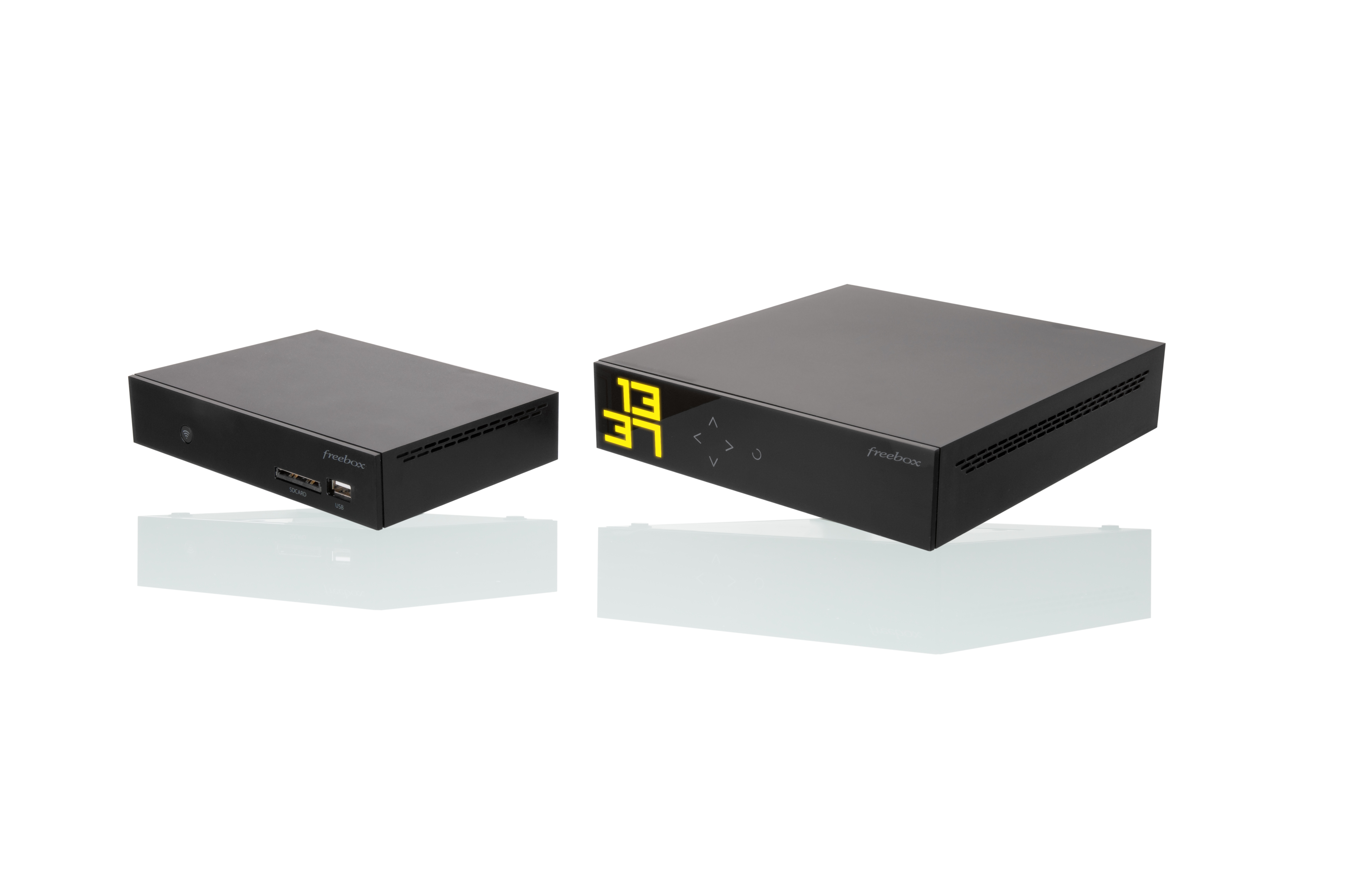
An interesting view on TV’s new direction from the Independent

Article

Netflix? Amazon? YouTube? A surfer’s guide to TV – Features – TV & Radio – The Independent

My Comments

This article is showing how the Internet-based on-demand TV service is gaining more traction as a way of distributing TV content.

For example, Netflix is effectively becoming the HBO or Canal+ of the online TV world. HBO and Canal+ had started out initially as premium pay-TV broadcasters in their own markets – the USA and France respectively. This was mainly based around buying movies and other top-shelf TV content from movie studios. Then they gradually built up a repertoire of original TV content that they could sell to other free-to-air and pay TV broadcasters. Examples of this include HBO’s “The Sopranos” and Canal+’s “Spiral / Engrenages” both being highly-engaging TV drama serials.

Netflix initially bought movies and other similar content from other studios to show through their on-demand service. Now they, like other online TV providers such as Amazon and Hulu, are building up a repertoire of original content.

Most of these online services offer subscription and content-management models that allow you to watch a series over a short term such as a “marathon viewing” over a weekend or over a long term like viewing an episode or two every week over a month or two.

This is affecting the traditional TV broadcasters who are having to face up to what these online content providers are offering to their viewers. One way that they are answering the trend is to invest more in their catch-up TV / on-demand services. This may include making more of their content catalogue including their back-catalogue material available through their on-demand services.

Similarly, an increased number of co-production deals are being struck between traditional broadcasters and online content providers concerning TV serials. Here, these shows would be given their first-run by the broadcaster in its home territory while being made concurrently available on-demand through the online content provider’s market. An example of this is the “Lilyhammer” TV serial about an American mafioso who turned State’s evidence and had to head to Norway under witness protection. This show, which I have cottoned on to when it was shown on SBS in Australia, is an example of this kind of co-production arrangement, this time by Norway’s public broadcaster and Netflix.

Of course, YouTube isn’t just standing by, letting this trend happen. Here they are relying less on those crazy-cat videos towards running paid channels with good original content courtesy of their Original Channel Initiative. This is in addition to having the likes of Vevo solicit professionaliy-produced content on to the YouTube catalogue.

It definitely shows us that TV isn’t just about loafing on the couch watching programmes according to the broadcaster’s schedule but more about chasing down the shows we want to see when we want to see them. This could also make terms like prime-time become so less relevant.

Send to Kindle
Print This Post Print This Post

The relevance of broadband Internet for the expat and migrant community

A group of people that I do come across a lot are the expatriates and migrants who move from one country to another on a medium to long term basis. Some of them move out on a permanent basis whereas others do move on a temporary basis such as establishing a business in the new country.

One example that I deal with regularly is my barber who is an Italian and who has family members who are at home in Italy. Here, I spend a fair bit of time with him making sure his computer and home network works properly because he uses Skype and Facebook a lot to communicate with his relatives in Italy rather than using the telephone service.

But this class of user is very dependent on communications with their home country. This can be underscored by regular telephone and email communications between relatives and friends in their own country along with a desire to benefit from content that reflects on what is going on in that country while they exist in their new abode.

One technology that I have noticed that has swept expats and migrants off their feet lately is Skype. These people can engage in long video chats with their relatives who are based in their home country for nothing. The software is available across nearly all regular and mobile operating systems and an increasing number of smart TVs are being equipped with Skype, with the user just buying an accessory camera-microphone kit in order to have these videocalls on the big screen.

Similarly, an increasing number of network-capable video peripherals like Blu-Ray players are being equipped with Skype functionality which comes alive when the user buys the accessory camera-microphone kit. Here, this enables people to add Skype to their existing large-screen TVs in a similar manner to what the video recorder has done for older and cheaper TVs.

Another technology that pleases this market is the availability of newspapers and news services online through the Web or the mobile interface, provided by the news publishers themselves. This allows the expat to know what is going on at home and benefit from the publisher’s look and feel that has the “homely” taste rather than the weekly print editions that appear at some newsstands. In some cases like Britain’s Daily Telegraph, this is augmented by the establishment of a dedicated online department who furnishes resources targeted at this market.

Yet Another technology that also helps the expat and migrant community is Internet-based broadcasting. Typically this allows these people to benefit from content that is broadcast from home in their new country. It manifests in the form of the Internet radio with access to Internet streams of radio stations that broadcast to particular towns and neighbourhoods. This has been assisted through the use of TuneIn Radio, vTuner and similar Internet-radio directories.

As for TV, some companies and groups have targeted the expat market well with the AFL providing an overseas-only IPTV service for Aussies away from home wanting to know what the team they barrack for is up to. As well a few companies are running similar IPTV services but there needs to be a lot more work done on discovery and provisioning of these services. This includes integrating them in to the main smart-TV platforms, allowing for “buy from the couch” opportunities and providing a good-quality service.

At least the broadband Internet is showing itself as being highly relevant to the expat and migrant community and I always recommend the establishment of a good broadband service and home network for such groups.

Send to Kindle
Print This Post Print This Post

There is room for the next-generation broadband service

A common remark that I hear about next-generation broadband is that it is a service we don’t need. Here the image that is underscored is that current-generation broadband services like ADSL2 or cable-modem Internet are good enough for email and Web browsing with a dash of multimedia communication thrown in.

But the next-generation Internet services are providing for newer realities especially as we increasingly do some of our work from home or increase the use of multimedia that is available online.

Video and entertainment applications

A major driver for the next-generation broadband technology is its role in delivering entertainment content to customers. This has been underscored through the availability of network-enabled AV equipment that can also draw down this content from the Internet.

High-resolution video

One major application class that I see with next-generation broadband is the distribution of video that has very high resolution. This will become the norm as more display devices will have high pixel-density displays. For example, a device like a 10” tablet to a 21” personal-display screen will acquire something like a 1080p resolution while the 32”-55” group-viewing displays will acquire the resolution for a 4K UHDTV picture.

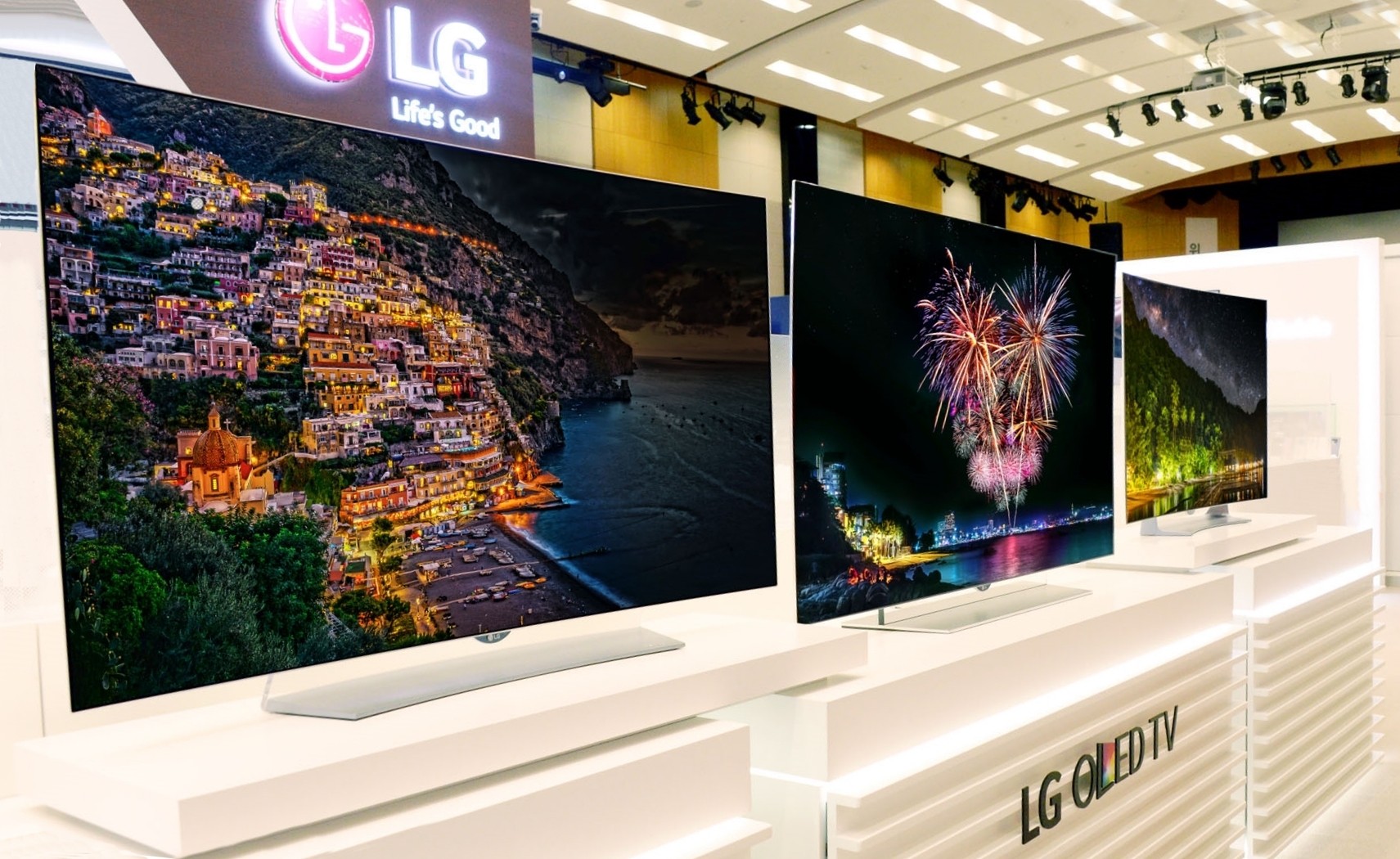
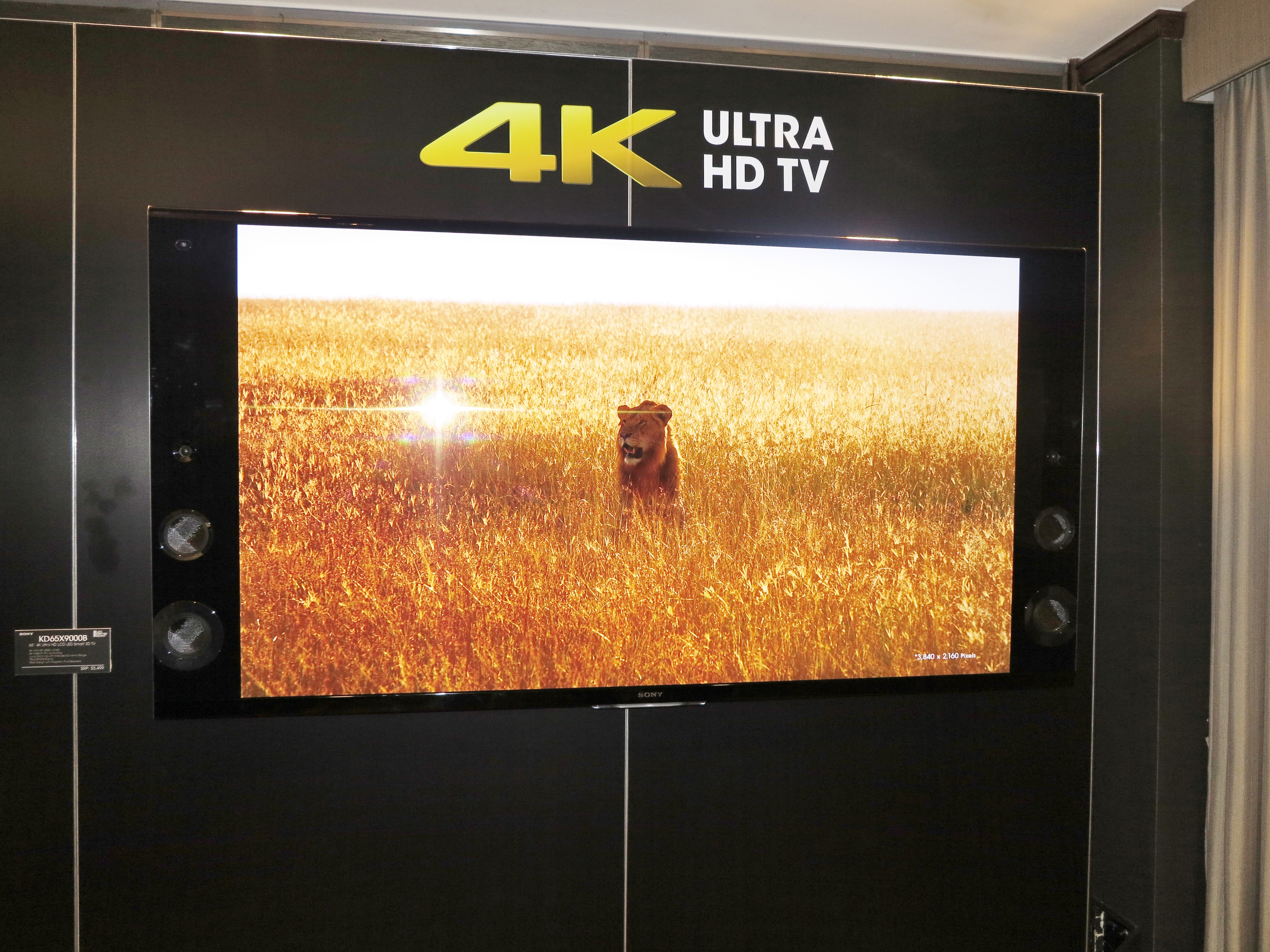
This year, the 4K ultra-high-definition TV technology is being premiered by the likes of Sony, with the idea of the content currently being delivered on to hard disk media players connected to these displays.

Similarly, more newer video content is being turned out with the 1080p full high definition images. This includes older content, especially the material that was mastered to 16mm or 35mm film being mastered to 1080p full high definition video.

IPTV and video on demand

Another key application is the provision of Internet-based video services. These could be in the form of scheduled IPTV broadcasts or video-on-demand services where you can pull in video content to view. The video-on-demand services could be offered as a streaming service where the server streams down the content as you view it or as a download service where the content is downloaded to local mass-storage for you to view from that location.

The cost of entry is being reduced significantly at both the service provider’s end and the consumer’s end. In the latter case, this is enabled through various smart-TV platforms offering this service through TV sets and video peripherals like Blu-Ray players, games consoles and network media receivers. The former case is underscored by the arrival of an “action sport movie” channel that is running movie and TV content themed around high-action sports and making use of IPTV due to its low cost of entry.

It also appeals to the different business models like advertising-supported, pay-per-view, content rental, time-based subscription and download-to-own, with the operators being able to offer a mix of models to suit the content and the audience.

Telecommuting and small-business enablement

Another key application that the next-generation broadband will provide is various communications and business-enablement services. This can cater for people who telecommute (work from home for an employer) on a full-time or ad-hoc basis, people who maintain a shopfront for their business but do their office work at home or those of us who run professional or other business services from our homes.

Videoconferencing and IP communications

With the success of Skype in the consumer space, the concept of IP-based communications is likely to drive the need for next-generation broadband.

For example, the videocalls currently offered through Skype allow for 720p video resolution through the current generation of Webcams in the field. Similarly, HD voice communications which allows one’s voice to come through in FM-radio quality is being supported by Viber and most over-the-top telecommunications services. This latter ability can benefit people who have a distinct accent in that they can be heard easily.

In some cases, this could extend to “real-business” telecommunications like PABX functionality or telepresence / teleconference being made available to the small-business crowd. For example, a small-business owner who sets up shop in another area could benefit from VoIP tie-lines that link both locations or a professional services provider could engage in videocalls with clients using Skype or better services.

Cloud computing

Another key driver for next-generation broadband is the idea of “cloud computing”. This can extend from email, social-networks and Internet banking through to file-drop, media-sharing and online-backup services. Even businesses and multiple-premises home networks are or will be implementing “small private cloud” setups which interlink computer systems that are at multiple locations, whether on a remote-access or peer-to-peer basis.

But what is common with these services is that they require the ability to transfer large amounts of data between the home network and the service provider. This will cause a demand for the bandwidth offered by the next-generation broadband services.

Conclusion

Although it is so easy to say that there isn’t a need for next-generation broadband, as the new applications come on to the scene, these applications could ultimately underscore the desire and need for this technology.

Send to Kindle
Print This Post Print This Post

Sports action movies in Australia to become a viable IPTV niche

Articles

Sports films to stream online – mUmBRELLA

Film streaming service kicks off on Coast | GoldCoast.com.au

From the horse’s mouth

Garage Entertainment

Homepage

My Comments

The IPTV concept has provided a lower cost of entry for television-content niches than ever before and is something I have stood for with this site and the home network. A good example of this is the latest effort by Garage Entertainment to run a movies-on-demand service that focuses on the sports action movies that a lot of men like.

These are offered for view across all devices on a pay-per-view business model or a monthly subscription business model with the subscription under AUD$6 per month. As for the content, they are working across films, clips / shorts and similar material for even as far back as 15 years ago and having these available on-demand. At the moment, people who own an Internet-enabled Sony BRAVIA TV or Blu-Ray player such as the BDP-S390 that I reviewed on HomeNetworking01.info will have direct access to this service through the device’s menu. As well, Garage Entertainment are intending to provide direct access to this service on other “Smart-TV” platforms.

What I see of this is that the idea of running a niche-content IPTV service is being lifted “off the ground” and exposed to most people. Some of us may scoff at this idea because it opens the path for poor-quality content but once these services know how to solicit the content properly, this reputation could disappear. On the other hand, filmmakers who focus on particular niches may find that these IPTV services may give their works an airing beyond the film festivals and similar events.

An example of this idea with the growing popularity of the foreign-language film and TV content which could benefit from country groups like Alliance Française running their own channels or content-on-demand services to have more of that particular country’s output even though one or more “art-house” channels run this content on TV. Similarly, a Christian bookshop like Koorong could run a similar channel or content-on-demand service focusing on the wholesome Christian movies even though they are able to sell it as a DVD or Blu-Ray disc. In both examples, these services could extend the offering not just to pay-per-view / rental or subscription models but provide the option to sell the content on the “download-to-own” model.

As for the smart-TV platforms, there needs to be the ability to discover the channels and sign up to the paid content from your armchair. In the same light, the channels could be promoted across public events and other media so people are aware that they exist.

Who knows how this kind of content availability could pan out as the bandwidth increases for Internet TV applications and the number of Smart TVs and similar video peripherals in circulation increases.

Send to Kindle
Print This Post Print This Post

Samsung Smart TVs in France now can replace the décodeur for the Livebox service

Article – French language

La TV d’Orange débarque sur les Smart TV de Samsung – DegroupNews.com

My Comments

France has become the first country to bring to the mainstream one of the key pillars for Internet-driven TV. This pillar is for an IPTV or single-pipe triple-play provider to allow us to gain access to their Internet-driven TV service without the need for a set-top box to be supplied by them and for this practice to be seen as becoming mainstream.

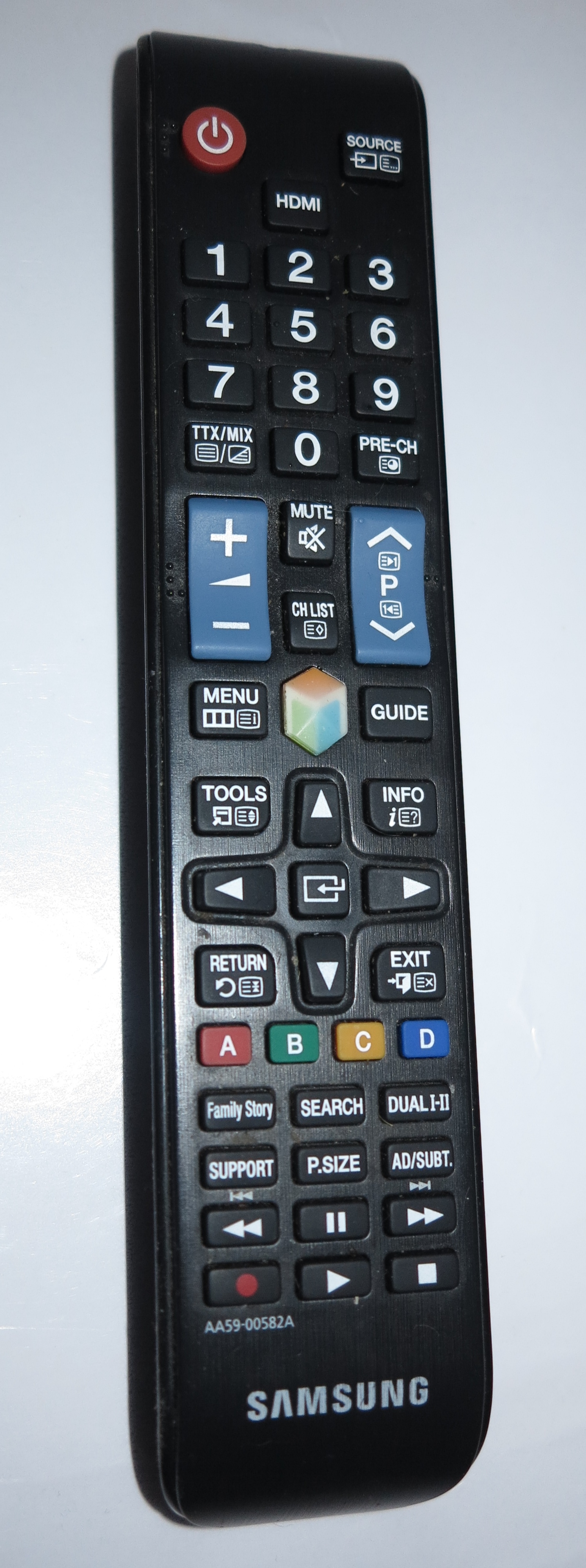
Here, people who subscribe to the Livebox service provided by France-Télécom (Orange) and own a recent Samsung smart TV view the baseline TV package for their triple-play service just by using the Samsung TV’s remote control.

This will require the user to perform a firmware update through the TV’s menus. You may have to “press the “Menu” button to bring up the “Assistance” option then bring up the “Firmware update” (Mise à jour de logiciel). Then you have to select the “On-line” (En ligne) option to draw down the firmware via the home network. Here, the set will show up the Orange TV options on its Smart-TV menu when you click the “Smart” diamond on the remote. A question that I would have is whether Samsung is intending to roll this out to the Blu-Ray players and home-theatre systems that have the integrated Internet-TV functionality because these devices would be used to “extend” this functionality to cheaper and older TVs.

At the moment, this will yield the baseline channels but Orange want to take this further with their premium, catch-up and on-demand services. As Orange liaise with other smart-TV platforms to roll this method out to the other platforms, this could become a chance to prove to the IPTV scene whether the smart TV can become the control surface for pay-TV. Here, smart-TV integration only works well with broadcaster-developed video-on-demand front-ends or a smattering of “over-the-top” video-on-demand and subscription-video services which aren’t heavily promoted.

In the US, the FCC could place high value on this concept if all the smart-TV vendors come to the party, as a way of “liberating” the American cable-TV subscriber base from the control of the cable-TV companies. Here, this could be facilitated with a broadcast-LAN gateway for cable-broadcast / satellite-broadcast services as well as this interface for selecting broadcast, recorded-broadcast, online and on-demand material.

Who knows what this could mean for IPTV as the increased number of Smart TVs and video peripherals become increasingly available through the retail channel and the home network becomes a mainstream requirement for the average household.

Send to Kindle
Print This Post Print This Post

The first satellite-based 4K Ultra HDTV service launched in Europe

Article – French language

Eutelsat lance la première chaîne satellite ultra HD en démo – 01Net

My Comments

Once the 4K Ultra HDTVs were shown at this year’s Consumer Electronics Show, something happened concerning the idea of TV broadcasts in this resolution for those big screens.

Eutelsat have launched on the Eutelsat 10a satellite a TV channel that broadcasts these programs across Europe. This is primarily a proof-of-concept demonstrator channel to show that this kind of broadcasting can be done. This is although there is a lot of long-form entertainment coming from America using 4K Ultra HDTV as the production workflow standard. It includes the cinema movies that are being distributed digitally for the big screen.

They are expecting a future video-compression standard to come about for use with this resolution and the larger 8K resolution.

Personally, I would also see the Ultra HDTV technology be carried primarily using IPTV methods and exploiting the next-generation broadband services that are appearing. It may also work hand in glove with the hard disks that are in the order of terabytes and home networks that work in the order of gigabytes.

Send to Kindle
Print This Post Print This Post

A tabletop Internet radio that doubles as an Internet TV

Articles – German language

19. Dezember – Albrecht DR870 HD-TV,7′ Internet Radio-TV Media Player zu gewinnen | GIZMODO DEGIZMODO DE

Product Page

Albrecht DR870

My Comments

Here is another Internet radio, pitched for use in the kitchen, that has the typical features of a set of its class. This set, known as the Albrecht DR870 and available in Germany, has the FM, Internet radio, local media playback via SD card and access to the DLNA Home Media Network. It would mean that it can play whatever is on the NAS or a Windows computer running Windows Media Player.

But it is also pitched as an auxiliary TV which can pull in DVB-T digital TV as well as various Internet TV services and show these on a 7” LCD screen. This class of compact AV product could earn its keep a fair bit more for “glancing” at news, sports or other events in the kitchen or similar location while you do other activities.

What I see of this is that it could raise the bar as far as a compact radio that is destined for the kitchen, office or small shop. Here, this can integrate TV reception as well as radio reception and media playback in that class of unit and shows what the direction is for a tabletop radio or similar device.

Send to Kindle
Print This Post Print This Post

Product Review–Sony BDP-S390 Blu-Ray Disc player


Introduction

I am reviewing the Sony BDP-S390 Blu-Ray Disc player which is one of many value-priced Blu-Ray players that don’t just play Blu-Ray Discs but effectively add Internet TV functionality to cheaper and older TVs.

There is a more expensive variant known as the BDP-S590 which adds 3D playback with suitable TV equipment and a top-of-the-line model known as the BDP-S790 which adds on 4K high-resolution playback for the largest high-resolution displays as well as support for Skype functionality. But I am focusing on the BDP-S390 as a model that ticks most of the network and Internet video boxes at an affordable price.

Sony BDP-S390 Network Blu-Ray Player

Price

Recommended Retail Price: AUD$179.00

Functions

Internet Radio vTuner, local audio services
Internet TV Locally-available online video services like ABC iView, SBS OnDemand, YouTube, etc
Interactive Services Web browser, Facebook, Twitter, Opera TV Store
The Internet services will change and increase by the time you purchase this unit
Network Media DLNA Media Player / Media Renderer
Optical Disc Blu-Ray / DVD / SACD / CD
Stored Memory USB Mass-Storage Device


Connections

Output
Audio Line output Stereo RCA sockets
Digital Audio output PCM or Bitstream via RCA coaxial; HDMI output
Video Line output RCA socket
Video HDMI output Yes
Network
Wi-Fi 802.11g/n
Ethernet Yes


The unit itself

The Sony BDP-S390 is much smaller than most common DVD or Blu-Ray players and may be described as not fitting the average AV equipment rack due to this size. But this wouldn’t be of concern if you you are just plugging it in to the secondary TV set and it is sitting on the bench under or beside that set.

Being a video-focused device, there isn’t a display on the unit and you have few controls on that unit. Therefore, you are encouraged to operate this unit from the remote control and using the TV screen. This may make the playback of audio-focused content like audio CDs or vTuner Internet radio become more unwieldy as if you are listening to digital radio via a satellite-TV or digital-TV set-top box; or listening to the radio through the TV in some hotels.

Sony BDP-S390 Blu-Ray Disc Player connections

Connections – Composite video, stereo line-level audio, digital audio, HDMI A/V, Ethernet LAN

As far as the home network is concerned, the Blu-Ray player comes with Integrated 802.11g/n Wi-Fi as well as Ethernet connectivity rather than being “Wi-Fi ready” where it would need a dongle to connect to the Wi-Fi network. It can connect to video systems that use a CVBS (composite) through an RCA jack or HDMI display and can connect to audio equipment via an RCA line-level stereo feed, a PCM or bitstream (Dolby Digital) feed using an RCA socket or a digital feed via the same HDMI socket. This same HDMI socket also allows the player to work with “one-touch-start” setups that use HDMI-CEC control abilities. The front has a USB socket so you can connect up a memory key to store BD-Live data or play / show media content held on a memory key.

The setup routine was relatively quick although you would need to use SMS-style data entry when you enter the passphrase for a Wi-Fi segment that doesn’t implement WPS quick-setup. This routine can be annoying if you have punctuation in the passphrase due to the confusing reference to an “input method” where you would need to press the yellow key on the remote to gain access to the punctuation.

Sony BDP-S390 Blu-Ray player remote control

The standard remote control that comes with this player

The Sony BDP-S390 does support “smartphone-as-remote” operation with the Sony Media Remote app for the iOS and Android platforms. This allows you to use the smartphone and your home network as an alternative to the infrared remote control and could allow you to conceal the player in a cabinet yet be able to operate this Blu-Ray player.

As a member of the DLNA Home Media Network, the Sony BDP-S390 ticked all the boxes properly. Here, it worked well with TwonkyMobile on my Android phone to allow me to “throw” a Facebook album image to the TV’s screen and it had come up properly. It could also quickly list every DLNA media pool that existed on the network as part of the top-level XrossBar menu.

The Internet TV experience was very smooth for the visuals and came through without any glitches. As well, it didn’t take long to load up whatever was in an IPTV channel’s lineup.

Even though I had access to an average TV to test this player, the Sony’s picture quality did come up very well with photos and videos. The colours were still true to the video no matter the source.

Limitations and Points Of Improvement

The Sony BDP-S390 could provide support for extended DLNA applications like setting up shows to record using DLNA-compliant PVRs; and RVU which allows it to be a user interface for advanced cable-TV PVRs and to some extent, hospitality applications.

The Skype feature could be made available across all of the Sony Blu-Ray players so as to allow existing TVs to work as Skype videophone terminals.

Similarly, I would like to see this set as well as other Sony consumer-electronics equipment be able to work with IPv6 networks so they can be future-proof. As well, this Blu-Ray player, as well as other Sony network-enabled consumer-electronics equipment could support WPA2-Enterprise setups as a field-installable add-on so small businesses don’t need to create separate WPA2-Personal segments to implement Wi-Fi-enabled DLNA-compliant audio and video equipment in their network environments.

Of course, some of us might think that this player looks a bit ho-hum because it uses a drawer to load discs rather than a direct-load slot.

Conclusion

Sony BDP-S390 Blu-Ray Disc PlayerI would recommend the Sony BDP-S390 Blu-Ray player as a valid option when you want to enable an existing TV or HDMI-equipped video projector with Blu-Ray, DVD, DLNA and / or Internet video capabilities. The price makes it even right to purchase this player as an entry-level Blu-Ray player / network-video terminal that can be used with an entry-level flat-screen TV.

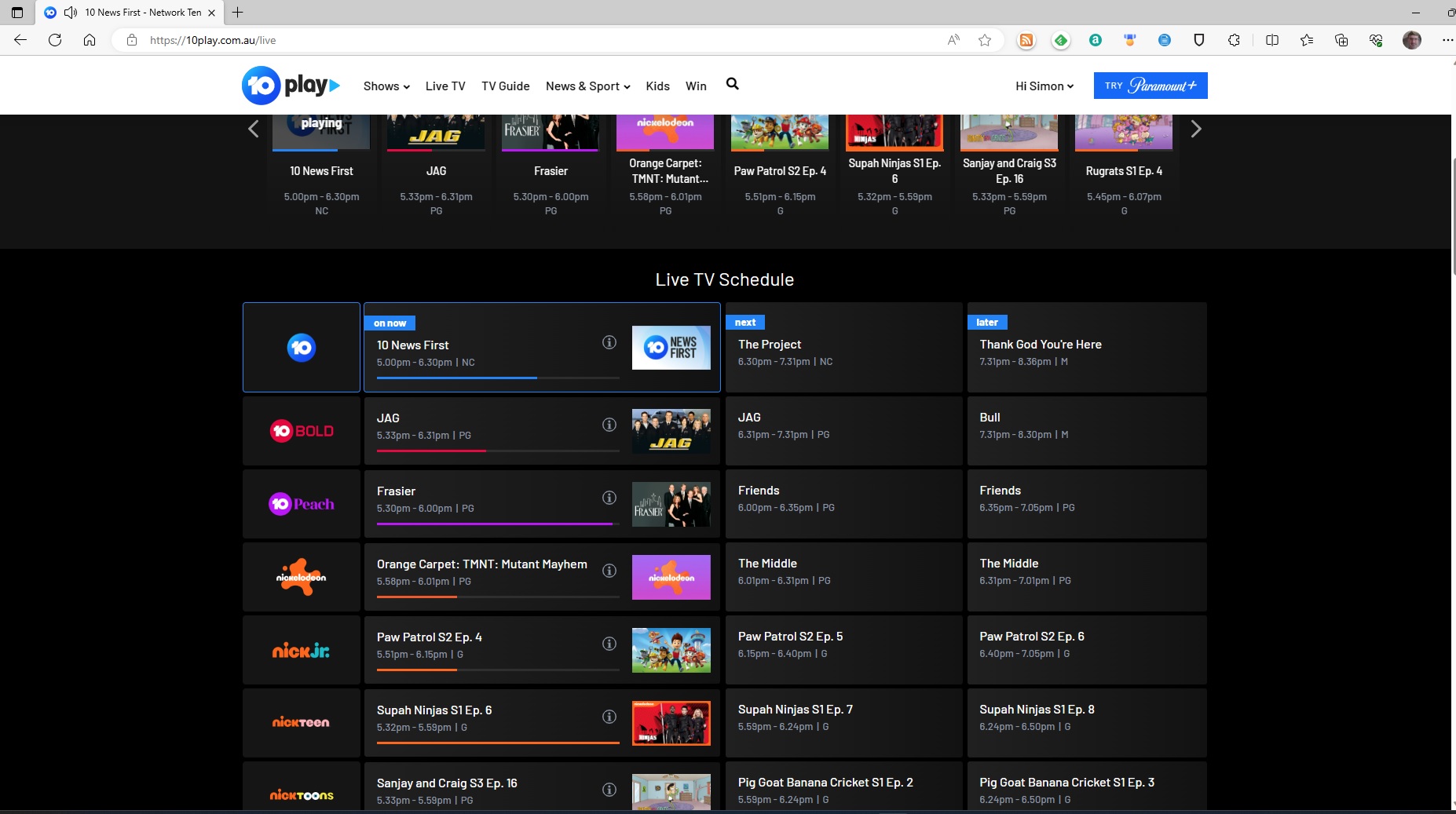
For example, you could buy that low-end LCD TV and this player from Harvey Norman in order to get cracking with Blu-Ray Discs and “The Shire” on Channel 10 Catch-Up TV. Or you could use this player and any old LCD TV or HDMI-equipped video projector to set up a DLNA-driven visual-merchandising arrangement for your business or organisation.

The higher-end Sony models could go well with a high-grade TV that excels on picture quality yet you want to get your foot in the door with network and Internet video as well as Blu-Ray playback.

Send to Kindle
Print This Post Print This Post

Smart TV Alliance–the goal of a level playing field for connected TV

Articles

Will Smart TV Alliance challenge cable operators? | FierceCable

LG launches “universal” smart TV platform | CNET

Leading TV Makers Launch Smart TV Alliance, Provide Infrastructure For Effective Collaboration Among Smart TV Makers And App Developers | FierceCable

From the horse’s mouth

Smart TV Alliance – Website

My Comments

At the moment, there are many different connected-TV platforms out there offered by different hardware-manufacturers for use with their “smart-TV” sets and video peripherals.

This provides key challenges for both content creators and video-hardware companies alike. Content creators would be required to work towards creating their interactive content and service-to-TV front ends for each smart-TV platform and, in some cases, this would require negotiation with the platform owner ie the video-hardware manufacturer for them to develop for that platform.

Similarly, there is a higher cost of entry for companies who haven’t established a “smart-TV” platform of their own. This especially applies to those who make TVs, Blu-Ray players and video peripherals for multiple brands on an “OEM” or “ODM” basis or who focus on certain aspects of their device’s design like a European TV maker offering premium TVs that excel in picture and sound quality or a computer-technology name offering network media players.

What has now just happened with LG and TP-Vision; who are represented by the Philips TV nameplate, is that they have started a “Smart TV Alliance”. This is an industry association open to broadcasters, pay-TV providers, video-hardware manufactures and software developers who want to create a level playing field for the connected-video marketplace.

They even targeted the pay-TV industry so that this industry doesn’t have to focus its activity around set-top-box infrastructure which has a high capital-expenditure cost.

Issues that have to be raised include a standard SDK and codebase for applications, encouraging the support for standard network-connected and local-connected peripheral-device classes as well as support for industry-standard broadcast-broadband TV arrangements. This, along with home-network integration, could be worked out using one or more reference implementations for these sets.

Similarly, the Smart TV Alliance could work out issues concerning “multi-box” setups like home-theatre setups and Blu-Ray players as well as network setups like network DVRs and smartphone / TV viewing arrangements.

Such an association can open the path to a critical mass for connected-TV applications such as IPTV channel directories, multi-screen synchronous viewing and video-on-demand services.

Send to Kindle
Print This Post Print This Post

NBN–as a way to improve the TV experience

Article

NBN Co – National Broadband Network – Australia | Will the NBN fix my TV reception?

My comments

The question that was often raised in this article was the feasibility for the National Broadband Network to be used as a conduit to providing a reliable high-quality TV viewing experience. This is more so in areas around Australia where TV reception quality is next to hopeless and is something regularly encountered in rural areas.

There are some IPTV (Internet Protocol TV) services in place through Australia but these are offered by some ISPs as a way of delivering multichannel pay-TV service to their customers. Similarly, the regular free-to-air TV stations run Internet-based TV services typically in the form of on-demand TV content. This is where one typically can catch up on past episodes of a TV show or see “12-inch” (extended-length) versions of particular content like TV interviews.

But the National Broadband Network could be used as a platform for delivering an IPTV service similar to what has happened in France with their “n-box” triple-play services, and also what happens in some other European countries. There, one could use the set-top box which is connected to the Internet to tune in to regular free-to-air TV broadcasts. There is even the ability to gain access to extended content offered by the broadcasters like “catch-up” TV from the comfort of your couch.

This is also augmented by the main TV manufacturers rolling out “main-lounge-area” TV sets and video peripherals that have an extended-TV platform and can connect to the Internet. These sets, commonly marketed as “smart TVs”, have been pitched with apps that have access to various functions like broadcaster

Freeview, who represent the free-to-air digital TV platform in Australia, could extend their remit for this service beyond the classic terrestrial-based technology. Here, they could set up a “Freeview IP” environment which uses IPTV and the National Broadband Network to distribute regular “scheduled-broadcast” TV content via this infrastructure. This could be extended to a “couch-based” user interface for extended on-demand content such as catch-up TV.

Questions that may be raised concerning this would include negotiation with sports leagues and cultural bodies concerning using Internet infrastructure to broadcast their content. This may be seen as treading on “online rights” contracts and may break sports-code ideals like “delay-to-the-gate” blackouts (where a fixture can’t be shown live in a city unless a minimum number of seats are sold) or similar requirements. As I have covered before, if the intention is to broadcast in the regular manner on to the Internet as would be expected for a regular TV service i.e. verbatim broadcasting with own talent calling the event and use of regular commercial and continuity material specific to the area, there shouldn’t be a difference.

As the NBN gets rolled out around Australia, we need to take action on being able to deliver the free-to-air TV content through this infrastructure in a similar manner to how it has been enjoyed.

Send to Kindle
Print This Post Print This Post
Page 1 of 3123»

Sponsors

Find this on Facebook

Archives

HomeNetworking01.Info

Latest PDF issue

Switch to our mobile site