
Tag: ageing at home

Wi-Fi Sensing is now given some real use cases

Article

Monitoring of breathing irregularities

An algorithm can use WiFi signal changes to help identify breathing issues | Engadget

In-vehicle presence detection

From the horse’s mouth

Wi-Fi Alliance

Lisbon demonstration showcases how Wi-Fi Sensing can assist in a critical scenario | Wi-Fi Alliance

My Comments

The Wi-Fi Alliance is extending the Wi-Fi network technology beyond a local data network technology towards a presence and movement sensing technology.

This can exploit newer Wi-Fi technologies like Wi-Fi 5 onwards which implement MIMO multiple-RF-frontend technologies; or the increasingly-common multiple-access-point Wi-Fi networks. Here, it is about sensing disturbance in electromagnetic wave patterns that are the basis of radio technology whenever people or things move about.

A viable use case that has been demonstrated is a “child presence detection” setup for motor vehicles. Here, this detects the presence of a baby, small child or dog within a motor vehicle’s interior and alerts the driver to the child’s or animal’s presence. This is to avoid incidents like the toddler who was “forgotten” in a childcare facility’s minibus where the child was at risk of overheating for example due to it being asleep and out of sight in the vehicle.

This approach doesn’t just sense the presence of the child in a closed vehicle but also monitors biometric signs like breathing so it is a live person or animal. As well, it is based around two Wi-Fi access points within the vehicle – one on the driver’s side of the dashboard and one under the front passenger seat to create the sensing envelope. This is typical for most passenger cars with the front seat row and the back seat row but could be reworked for larger vehicles like station wagons or minibuses.

Once proven in a real world situation, this use case could be about a feature that is mandated by motor-vehicle safety standards bodies as part of a vehicle’s safety rating or as a mandatory feature for vehicles to have before they are on the market.

It is also being seen as a technology to identify whether someone in the house has breathing issues along with simple use cases like presence and motion sensing within the house for energy efficiency, security and convenience functionality in the smart home. I would also see it as a boon towards independent ageing at home by detecting falls for example.

What is happening is that Wi-Fi technology will come in to play for more than just a backbone for a home network. Here, it would be about safety or in-home healthcare that assures some form of independence. This is while it can still serve that role of a data network backbone.
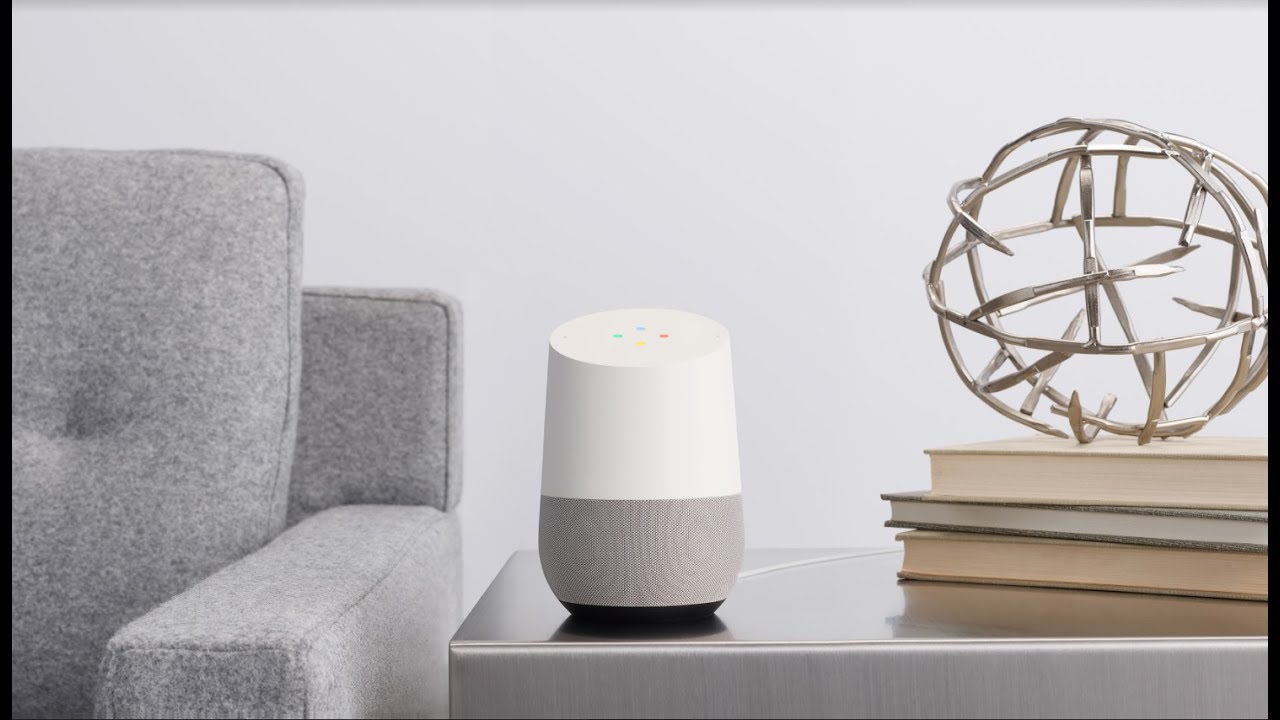
Using Google Assistant as part of an in-home-care service

Article

The Google Home now part of ageing-at-home and working with a home healthcare service

Feros Care plugs into Google Assistant to boost seniors’ independence | IT News]

My Comments

The technology industry is working on making themselves relevant to the “ageing-at-home” sector where senior citizens, including the ageing Baby Boomer population, can live in their own homes or in supported accommodation but preserve their own privacy and dignity. But the goal of improved dignity for these seniors includes using the technology that doesn’t look out of place in an ordinary home environment.

This system, ran by Feros Care, implements Google Assistant technology as a base platform and uses Google Home smart-speaker devices as a voice-driven interface with the client who the agency is looking after. It also facilitates visual display through the Android TV smart-TV platform and the Google Home Hub smart display.

This is facilitated through the development of Google Actions and DialogFlow natural-language processing with some custom application-programming-interface (API) software “hooks” to work with the agency’s MyFeros IT portal. It provides the client access access to details about carer appoints, further assistance amongst other things while the MyFeros portal captures service-provider to client interactions.

It is more about allowing senior citizens who use this agency for assisted living to manage their experience with the agency themselves and maintain their independence.

The use of the Google Home / Assistant voice-interaction technology can work around situations where the senior has had a fall and cannot gain access to the phone to summon help. Similarly it works well when they are recovering in bed and don’t have a tablet or phone at their bedside. The Android TV / Home Hub smart-TV technology can be used to show up visual information like details of alternate carers who are “filling in” for a regular carer who is ill or on leave and cannot attend

Even smart-lock technology is coming in to play in order to allow staff who are rostered on to care for a particular client access to that client’s home for the duration of their shift. This is due to older people with limited mobility taking a long time to reach their front door to admit the carer in to their home. The smart-lock integration will also work in hand with “visit-verification” requirements that will be demanded within the home-based healthcare industry thanks to various health-insurance or public-healthcare requirements.

Feros Care underscores that the technology is not about staff efficiency and productivity by to serve the needs of their service’s end-users and protect their dignity and independence.

But what I like about this approach is that they aren’t reinventing the wheel in implementing this technology and having to implement new devices for their field of work. Rather they use common “horizontal-market” technology like Google-Home-compatible smart speakers and smart displays compliant with Google’s smart-display technologies – such equipment able to be purchased “off the shelf” at any consumer electronics outlet and blend in to an ordinary home.

I also see Feros Care in a position to offer the necessary software logic as a “white-label” solution for all sorts of home healthcare agencies, supported-housing facilities and the like who want to implement it in their client-carer IT-portal setups. But there will be issues like adapting to other consumer-focused voice-driven home assistant platforms like Alexa, along with making it work with the widest range of home-automation devices.

Here, it is about implementing whatever common home-networking technology as part of assisted-living simply through using software to provide this kind of integration.

HID Global uses Bluetooth for emergency signalling in the health sector

Article – From the horse’s mouth

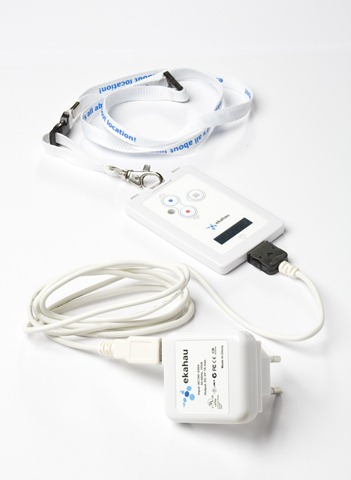
Ekahau Wi-Fi Pager Tag panic button

Bluetooth 4.1 now becoming a connection path for newer wearable emergency-alert devices

HID Global

HID Global Helps Hospitals Keep Doctors, Nurses and Staff Safe from Workplace Violence with New IoT-Based Duress Badge (Press Release)

Product Page with Healthcare use case (PDF)

My Comments

A key use case for Internet-of-Everything technology are wearable devices that have an emergency-signalling function. In the workplace, they are intended to be used by lone workers to signal for help from a security team in an emergency situation, with use cases being focused towards situations where they are at risk of being attacked. In the home, the primary use case is for elderly or disabled people who need to summon help, but it may also be applied to people at risk of falling victim to family violence or similar situations.

They are also being integrated in indoor-navigation technology so it is feasible to quickly locate the person who is at risk and provide help to them. There was a device offered by Ekahau that worked on multiple-access-point Wi-Fi networks and used the access points as a location means.

But HID Global have taken a different path with devices pitched to this use case. Here, their new Bluevision BEEKs Duress Badge Beacon, which is in a staff-badge form, is based on the same Bluetooth Smart 4.1 Low Energy technology as Bluetooth beacons. This device can also be integrated with building-access-control systems at the card level. Pressing the back of the badge can allow them to seek help from security who would know where they are in pre-defined areas thanks to the beacon-based technology.

It could be feasible to implement this technology with the badges as peripherals for smartphones, answering the needs of mobile workers for example. In this case, the device takes advantage of the phone linking to either a Wi-Fi LAN or a mobile broadband network.

As far as the home network is concerned, the Bluevision BEEKs badge would have to work with Wi-Fi to Bluetooth bridge devices. This could be a function that could be asked of with smart speakers or home AV that supports Wi-Fi (or Ethernet) and Bluetooth functionality, especially if the device is about working with peripherals including remote controls. But there could be the imperative to have Bluetooth 4.1 or 5 technology within Wi-Fi access points that are part of a distributed Wi-Fi system, typically to court IoT use cases.

This could lead to wearable emergency-call devices like this one that are pitched to workplace use being pitched towards home use especially with “ageing at home”  which would be the main use case.

I also see the possibility of this kind of emergency-call functionality being integrated within smartwatches and other wearables, whether the wearable uses a Bluetooth link to the smartphone or has its own mobile-broadband connection. This can easily be delivered in a software form for platform-based wearables like watchOS (Apple Watch) or WearOS (Android Wear) or Fitbit Versa.

Here, it may encourage the user to have this kind of functionality always available without needing to wear other items, encouraging you to wear it more. Also having emergency / duress call functionality in a smartwatch or similar wearable allows you to signal for help without doing something obvious, something that may be of importance in a highly-charged situation.