Tag: home assistant apps

Visual support–now a key trend for voice-activated home assistants

Article
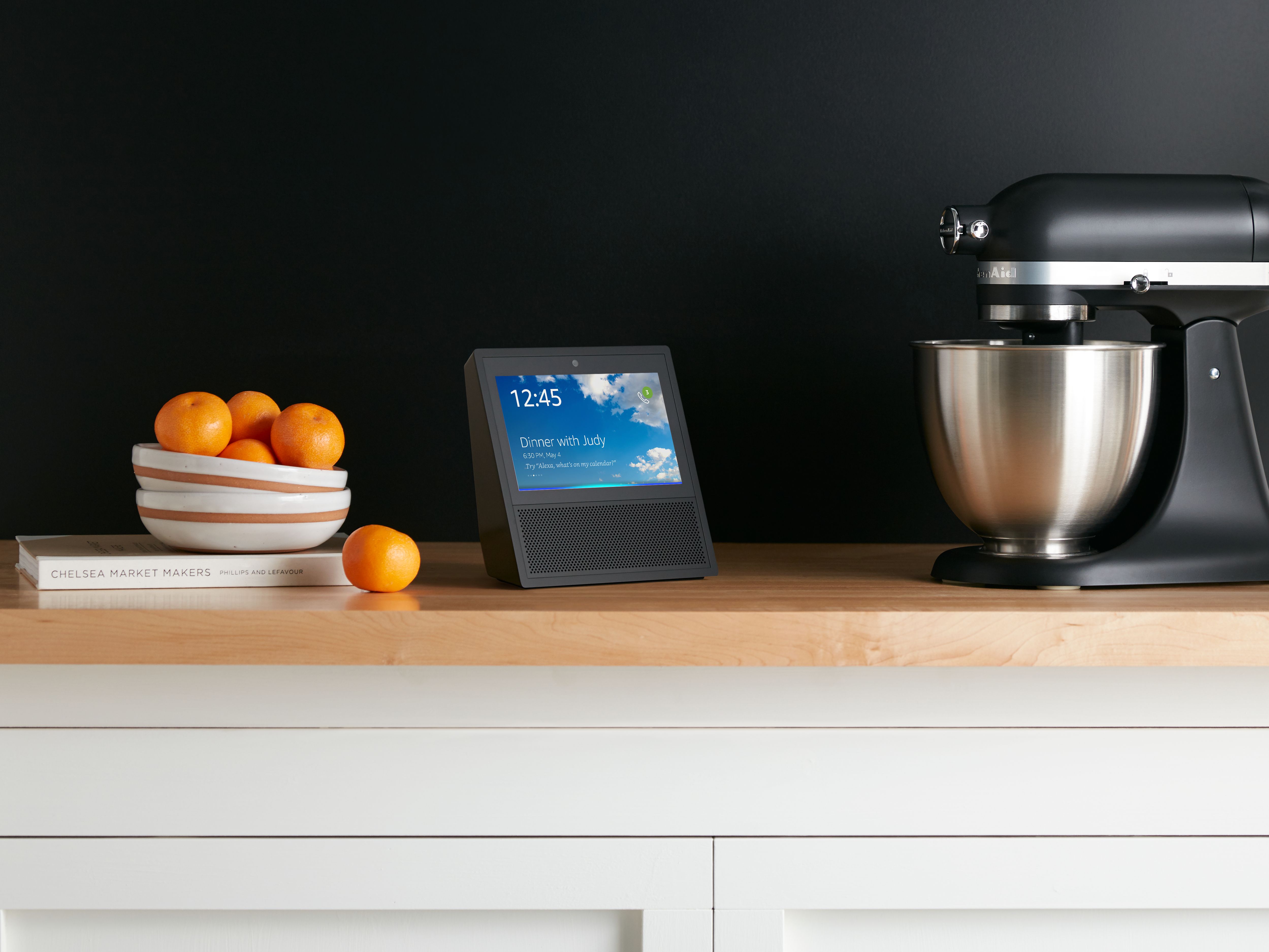
Amazon Echo Show in kitchen press picture courtesy of Amazon

The Amazon Echo Show – the first to prove the idea of an augment visual interface for the voice-driven home assistant

Amazon’s Echo Spot is a cuter version of the Echo Show | Engadget

From the horse’s mouth

Amazon

Amazon Introduces a New Member of the Echo Family: Echo Spot (Press Release)

My Comments

A trend that is surfacing for the voice-activated home assistant device is for these devices to provide a display which works alongside the voice-activated assistant by providing some sort of visual feedback. The display can be physically integrated in the smart speaker or similar device or appear on another device that ties in with the home-assistant device such as a TV equipped with a Chromecast or similar dongle.
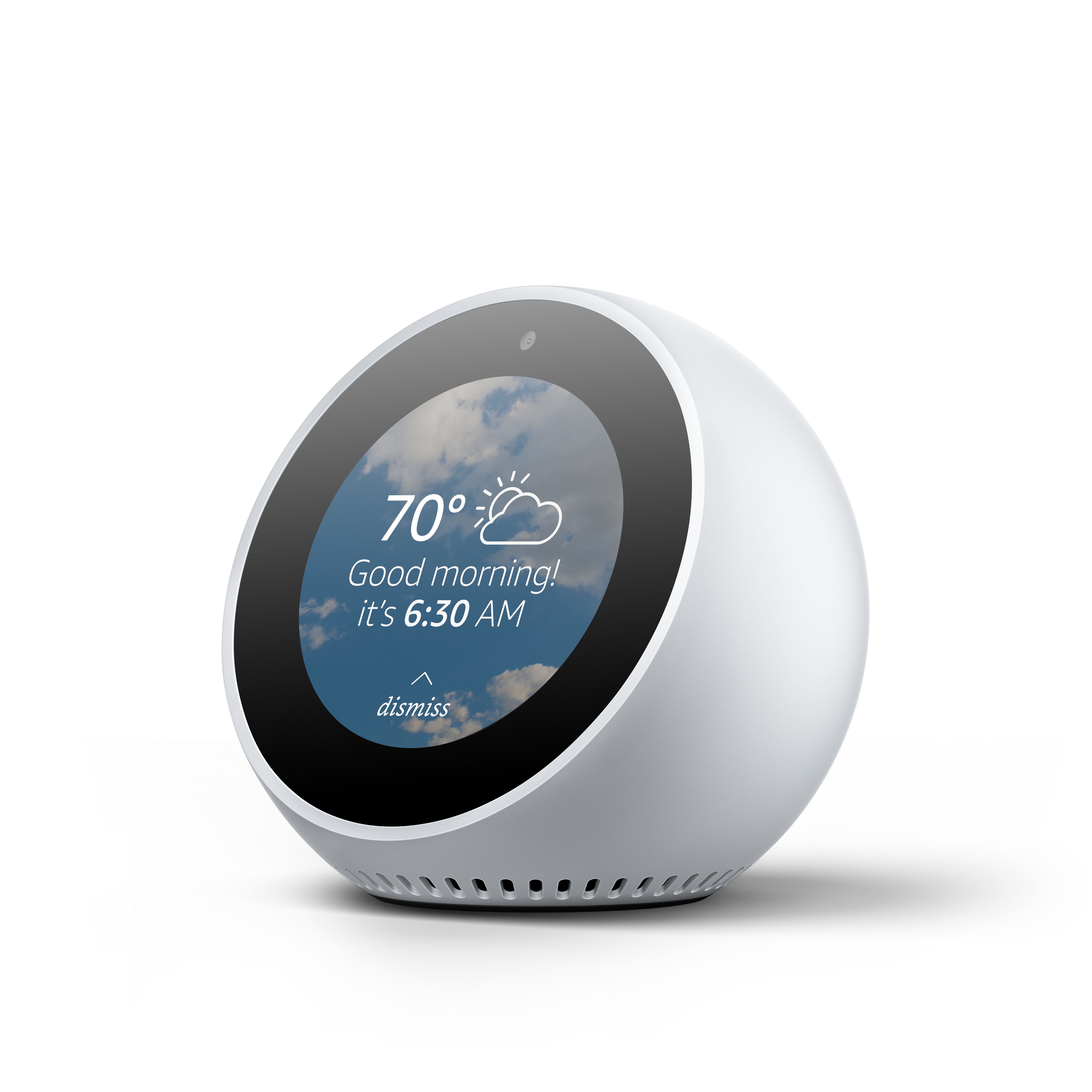
Amazon Echo Spot press picture courtesy of Amazon

Amazon Echo Spot – the smaller brother of the Echo Show

Amazon kicked this off with the Echo Show that has an integrated colour touchscreen and augments Alexa replies with visual information as well as being an IP-based videophone. Then Sony integrated a clock display in to their Google Assistant speaker that was being premiered at IFA this year.

Now Amazon premiered their Echo Spot which is about the size of a traditional alarm clock and uses a circular touchscreen as its display. This device was being offered as the smaller bedroom-friendly version of the Echo Show.

But what is this functionality about?

This functionality is about providing visual support to a user’s interaction with a device that is based on a voice-driven home assistant platform. This can range from constantly-displayed information like the current time or the weather to written information that augments an answer offered by Alexa or the Google Assistant. It can also be information that is dependent on current or upcoming events like reminders, information about the music that is playing through the device or the status of an appliance or other device connected to your smart-home setup.

Setups that implement a colour graphical display, whether integrated or as an outboard screen, could take this concept further with photos, album cover art and other material that are part of the visual interface. Examples of this could be Alexa showing pictures of restaurants in response to a query about the best-value eats in town or the device being an electronic picture frame, referring to a collection of photos hosted on the network or the cloud. Let’s not forget that devices with a colour graphical display would implement the screen as a display for a compatible network video-surveillance camera or video intercom.

Of course, whoever programs the skills for Alexa, Google Assistant or other similar platforms will be wanting to write in the visual support and have to provide text as a baseline visual display. Personally I would see this feature as part of how Amazon Alexa, Google Home, Cortana and Siri will evolve in the voice-activated home assistant context.
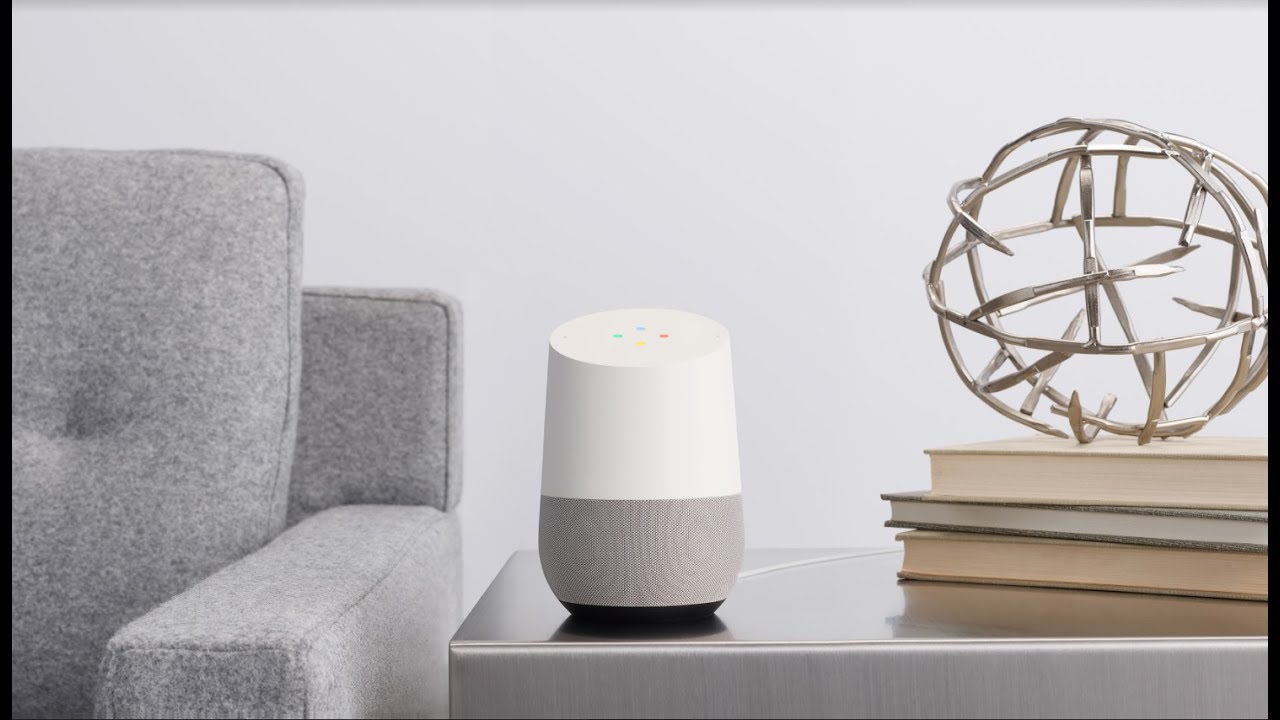

The Google Home becomes a VoIP landline telephone

Articles

Google Home – to be an alternative to the landline telephone

(Update: Officially announced) Google Home’s calling feature might be coming soon | Android Authority

Google Home voice calling starts rolling out today | Engadget

From the horse’s mouth

Google Home

Introducing Free Calls With Your Assistant On Google Home (Blog Post)

My Comments

Using the common household phone

Could Google serve this role?

In May, Amazon launched an “over-the-top” VoIP system to allow you to call other Echo users as part of the Alexa platform. In my coverage of them launching this service, I saw it as another weapon in the battleground between the various voice-driven home assistant platforms.

Now Google have launched in to the USA and Canada a VoIP calling service which allows you to place calls to other USA or Canada phone numbers using your voice. At the moment, it is only an outgoing-call service.

As well, unless you are a Google Voice or Project Fi user, the person on the other end of the line won’t be able to see your number on their Caller-ID-capable telephone, but this will be enabled for other users to have their mobile number displayed by the end of the year. It is seen as a problem with most telephone users because robocalls and telemarketers conceal their Caller ID and users are not likely to answer calls which don’t relate to a person they know.

Here, the Google Home telephony setup works from the user’s Google Contacts phonebook which you could easily build up through your Android phone or through a Web-based user experience if you use an iPhone. There is support for multiple users with the Google Assistant differentiating them via their voiceprint.

Google still has a lot to do with making their Google Home voice-calling service catch up with Amazon Echo, such as supporting inbound calls, text and voice messaging, along with videocalls. In the case of videocalls, it may be about integrating Chromecast in to the equation, perhaps with support for a camera accessory which would be considered if they want to head towards dual-device large-screen videocalling.

But I do see Apple and Microsoft using their established VoIP platforms to make their forays to the voice-driven home assistant become communications devices.

Of course, the idea of integrating this kind of IP-telephony functionality in to Amazon Echo and Google Home platforms could be seen as retrograde by the millennial generation who are used to living without the traditional landline telephone. But such setups could be about maintaining a “catch-all” contact number for a physical location or older-generation users maintaining the idea of the traditional telephone but carrying it forward to the online era. Yet the mobile phones will simply serve as the private communications link while Google Home complements them for short calls where the privacy doesn’t matter.

Multiroom to be another common feature for smart speakers

Article

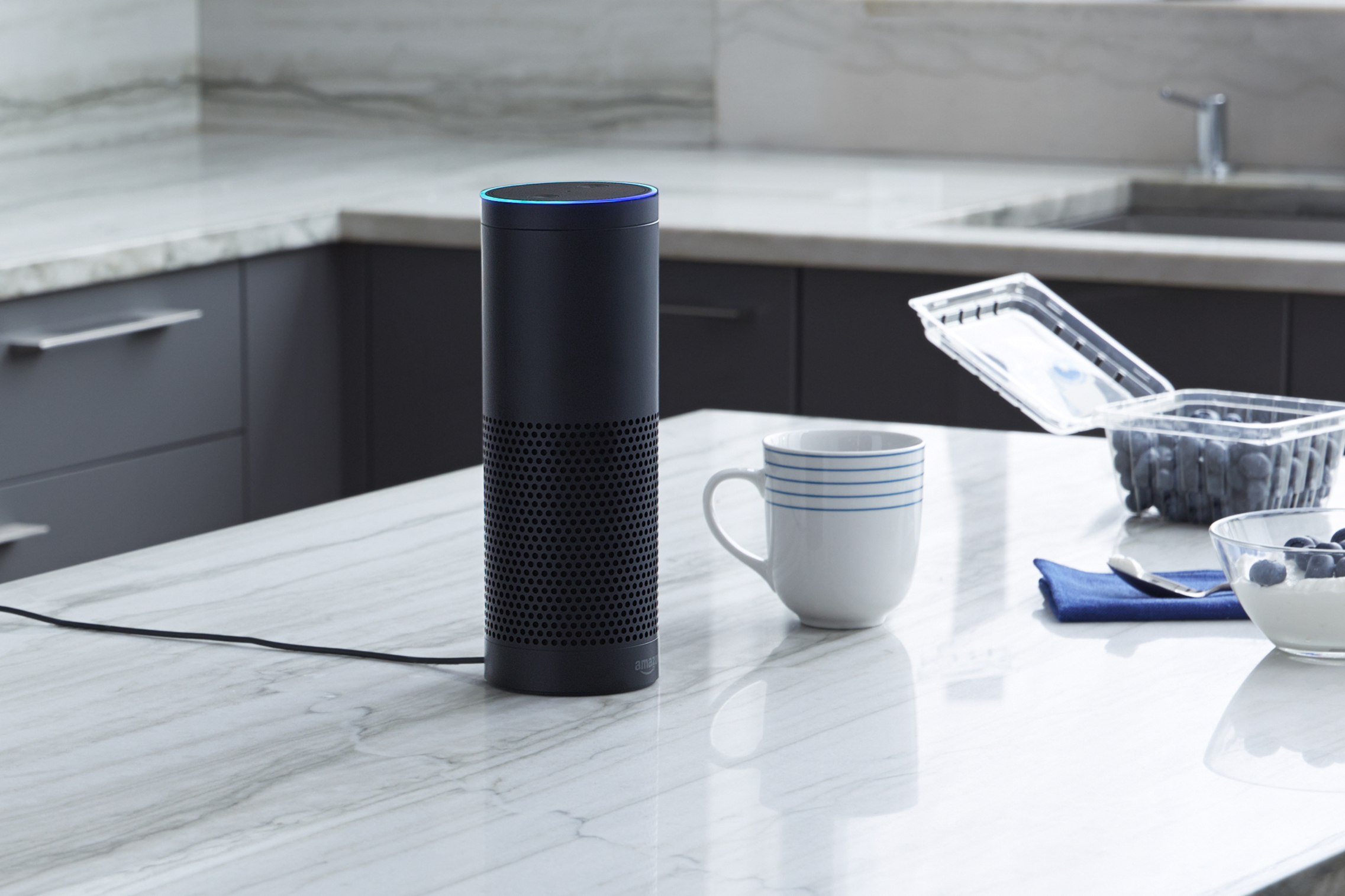
Amazon Echo on kitchen bench press photo courtesy of Amazon USA

Amazon Echo – to become another online multiroom audio system

Amazon Echo multiroom audio not far off, report says | CNet

My Comments

A feature that is showing up with the “smart speakers” that are part of the various voice-driven home assistant platforms is the ability for multiple speakers of the same platform to work as a multiroom system. This is where the same content source can be played through multiple speakers of that same platform, including the ability to have multiple speakers or audio devices in a logical group representing, perhaps, a floor or an area of the house. This functionality is taking on the audio-content playback abilities like Spotify, TuneIn Radio, Tidal and others offered by the various voice-driven home assistant platforms

Google Home – already a multiroom audio system as well as a smart speaker

Google has already established it with their Home speakers and Chromecast-based audio connectivity devices. But Alexa are intending to join in by allowing you to play the same content source through multiple Echo speakers and to treat a group of speakers as a logical unit. Let’s not forget that while the market’s competitive, Apple and Microsoft won’t want to miss out on the idea of multiroom audio as part of their voice-activated home assistant platforms.

Similarly, Amazon have aligned their Alexa platform with DTS’s PlayFi multiroom audio platform which is pitched at the premium hi-fi market. They have a large number of the hi-fi names with them and are wanting to integrate full Alexa voice functionality in to their speakers and other audio devices.

There may be some feature possibilities that may end up in the product evolution for these smart-speaker platforms. One of these could be to set one or more pairs of speakers up as stereo pairs which can yield the improved separation when you listen to stereo content. Similarly, there could be the idea of creating a multiple-microphone array out of a group of speakers to make it easier for the voice-driven home assistant to understand you.

Who knows how hot the competition for the voice-driven home assistant that talks to you is going to be and whether this will mimic the home videocassette format wars of the early 80s?

Google Home–now in Australia and on your TV

Article

Google Home: Australian Review | Lifehacker Australia

From the horse’s mouth

Google

TV commercial – click or tap to play

My Comments

I have given regular mention of Google Home as a competitor in the smart home assistant space alongside Amazon Echo. At the time I wrote the previous articles, none of these services were available in Australia.

But since this week, Google Home has become the first of the smart home assistant platforms to be released in to Australia. They are offering these devices for AUD$199 at least through JB Hi-Fi, Harvey Norman and Officeworks, and is being linked to most of the ABC live and on-demand audio services along with Sky News and Fox Sports for local news services.

Google have even gone out of their way to promote this device on the TV by using an Australian-localised 30-second version of their Super Bowl TV ad including a question about the noise a kookaburra makes.

But I would suspect that Amazon won’t take this lying down and there will be pressure to make sure that their Echo devices and Alexa platform are on the scene as soon as possible. This would also apply to Microsoft and Apple when they get their home assistant platforms off the ground.

Amazon chasing the numbers when it comes to Alexa’s Skills

Article

Amazon Echo on kitchen bench press photo courtesy of Amazon USA

Amazon needs to assure quality for the skills they offer to Echo users

Alexa is learning more new skills every day | Engadget

My Comments

At the moment, Amazon is adding many skills to the Alexa voice-activated home assistant ecosystem every day with at least 15,000 skills available for your Echo by the time this article is published. This is in contrast to Google offering 378 apps and Cortana offering 65 apps. Apple yet hasn’t shown up the number of skills or apps that they have added to Siri as part of her role as a voice-driven home assistant.

But the problem with this approach is that Amazon can easily end up “chasing the numbers” where they don’t care about software quality. This is very similar to what has happened with the app stores like Microsoft Store where these stores filled up with many poor-quality and, in some cases, worthless apps. Here it is seen as a quick way for Amazon to dominate the voice-driven home assistant landscape alongside offering the multiple devices and extra capabilities.

Amazon yet haven’t had much experience in building up a platform app store with a goal towards achieving a significant number of quality apps. This is compared to Google, Microsoft and Apple who have learnt by experience when it came to building up their platform app stores which Google Home, Cortana and Siri will be based on. In most cases, it was about leaving the gates wide open and admitting too much trash or “dribbling in” very little software and putting across an image of very little choice. It is symptomatic of a technology being at an immature state where much hasn’t been worked on to have the right mix of features and software.

As regards with the software quality of skills or apps for a voice-driven home assistant platform, there will be issues about preserving proper software behaviour, assuring proper taste and decency in a family environment, along with assuring end-users’ data-security and privacy. It is more so with the fact that these skills will be relating to smart-home devices and these devices can be used to represent a household’s lifestyle. This will need to be achieved through software and consumer-protection policies and a feedback loop between end-users and the platform developer.

Of course, there needs to be the ability for Amazon and co to highlight high-quality skills and apps to users such as through an “editor’s choice” or “product spotlight”, along with a user review and rating system.

Other issues yet to be raised include how a developer can monetise a skill, whether through having customers buy the skill through Amazon’s storefront or through an advertising platform. In the case of advertising, there will be issues regarding user privacy, the kind of advertising that appears along with when the ads appear in your interaction with that skill.

I would see the sign of maturity for the voice-driven home assistant technology as higher-quality skills or apps being available along with the platforms being offered in more territories on more devices with the expected feature sets.

Amazon gives Alexa intercom abilities for their Echo devices

Article

Amazon Echo on kitchen bench press photo courtesy of Amazon USA

The Amazon Echo to replace that intercom you bought from Radio Shack

Amazon is turning every Echo device into an intercom | Engadget

Your Amazon Echo-Filled House Now has an Alexa Intercom System | Droid Life

Amazon wants the Echo to replace your home intercom | VentureBeat

My Comments

As the battle heats up between Amazon, Google and, very soon, Apple and Microsoft for the voice-driven home assistant platform, there is a strong likelihood that these platforms will acquire new features “out of the box” at a regular pace without the need to add a “skill” or app.

Initially Amazon added a telephony function to their Alexa platform with video telephony for the Echo Show videophone device.  Now they are introducing an intercom function for their Echo devices. It is due to the fact that a lot of the households that buy Amazon Echo devices will end up equipping their home with many of these devices, such as to kit out a pair of computer speakers or old boombox with an Echo Dot.

This may be similar to an intercom system that you may have used in your home, be it that little portable box that plugs in to the wall and uses your AC wiring as a communications path or that fancy radio-intercom setup integrated in your home with one of the units having an integrated radio tuner.

Here, you have to name each Echo device with a room-unique name when you set it up or revise its settings. Then you have to enable the “drop-in” functionality on the Alexa app, whereupon you can tell Alexa to call a specific device. You can set up the “drop-in” functionality to monitor a particular room such as to monitor a sleeping baby or hear if your older parent is calling out.

The system even works across the Internet rather than just your home network, which can come in handy with families and neighbours who want to keep in touch with each other in the same community.

You can upgrade your existing Amazon Echo equipment towards this functionality by simply updating the software in the Echo devices and the Alexa app to the latest version. But I wouldn’t put it past Amazon to roll this function out to other devices that are based on the Alexa platform or to work out ways to improve on it. Similarly, I wouldn’t put it past Google, Apple and Microsoft to answer Amazon with an intercom feature of their own.

A four-horse race for voice-driven home assistants

Articles

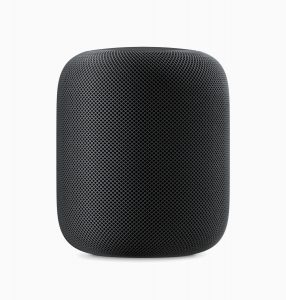
Apple Homepod smart speaker press picture courtesy of Apple Inc.

Apple Homepod smart speaker – a competitor to Amazon, Google and Microsoft

Apple readying Siri-powered home assistant: report | Yaho 7 News

From the horse’s mouth

Apple

Press Release

My Comments

The voice-driven home assistant has approached a point of competition where there are four different actors involved.

This class of computing device is based around a speakerphone-type device that can respond to your voice by answering questions you put to it cause certain actions to occur at your command. It was initially brought on by Amazon with their Echo speaker and Alexa voice assistant, but was subsequently answered by Google with their Home speaker based on their Google Now platform.

Amazon Echo on kitchen bench press photo courtesy of Amazon USA

The Amazon Alexa platform now faces some healthy competition from Apple as well

Very recently Microsoft touted one of these speakers that is based on the Cortana voice-driven personal assistant platform. Not to be outdone, Apple just announced a smart speaker and voice-driven home assistant based on their Siri voice-driven personal assistant.

All of these companies have positioned themselves in a highly-competitive manner by using the same approach to how they present their devices. Here, they allow independent hardware vendors to license these technologies to use in their own “smart-speaker” or similar products. In the case of Amazon Alexa and Microsoft Cortana, these systems can even show information in a visual manner on screen-equipped devices, whether that be in the form of a listing or a graphical “at-a-glance” display.

Harman Invoke Cortana-driven smart speaker press picture courtesy of Harman International

Harman Invoke Cortana-driven smart speaker

Similarly, they have extended their voice-driven assistant platforms by allowing third parties to add “skills” to them whether in the near term or later. These are additional abilities that users can add to their voice-driven assistant to make it perform additional tasks or interface with other devices. It also underscores the activity that these platform vendors are undertaking to integrated their voice-driven home assistant with home-automation and allied devices, allowing for things like dimming the lights or adjusting the heating at your command.

Let’s not forget that Amazon, Microsoft and Apple have over-the-top communications platforms equipped with videocall and messaging abilities that either are or will be integrated to their voice-driven home-assistant platforms. Amazon created their Alexa-based IP-telephony platform from scratch, adding it to the crowded sea of IP-communications platforms so it can tie in with their Alexa home-assistant platform. It could allow for you to ask Alexa, Cortana or Siri to immediately “drop a line” to someone using Alexa Messaging, Skype or iMessage / Facetime respectively. You could even use this to instantiate a videocall between yourself and your correspondent if both of you are using suitable equipment.

What do I see of this? Personally, I would find that hardware manufacturers such as the respected audio-equipment names may offer smart speakers and similar equipment that works across multiple platforms, requiring the user to determine which platform they want to use during setup or at a later time. Similar software developers who write interfaces for online service may be required to write “skills” for each of the platforms.

I also see it as being very similar to 1989 when there were multiple graphic-user-interfaces on the market with each computer platform having its own mouse-driven interface. Hello to “Hey Siri”, “Hi Cortana”, “OK Google” or “Alexa” to dim those lights, close that garage, start Spotify or whatever as you talk to that speaker.

You don’t need to use an iOS or Android smartphone to manage Amazon Echo

Article

Dell XPS 13 Kaby Lake Ultrabook

You can set up an Amazon Echo with just this kind of computer

How to set up a smart home using Windows 10 and Amazon Echo | Windows Central

My Comments

If you are dabbling with the idea of a voice-controlled smart-home assistant, you may find that some of these setups are dependent on you running an app on an iOS or Android mobile device to set them up or manage them. There are some users out there who may not be able to or want to use a mobile device that works on those two platforms.

For example, there are people like a lot of the older generation who prefer to work with a baseline mobile phone or a landline phone service as well as a regular computer for the communications and personal IT needs. There are also some of us who run a smartphone that is based on Windows 10 Mobile or a similar platform.

This is not so with the Amazon Echo and most other devices that work on the Amazon Alexa platform. When they are in action, they are not dependent on you running a mobile-platform app to have them work properly, rather you just talk to Alexa, the voice-driven home assistant. It is also underscored by the fact that you could purchase the Amazon Echo Dot module which works with a set of powered speakers or a stereo system equipped with an AUX or similar line-level input for US$49.

Most of this interaction in managing your Amazon Echo devices is through the Alexa website (http://alexa.amazon.com), which you can visit using any Web browser.

Adding Amazon Echo devices

Amazon Echo on kitchen bench press photo courtesy of Amazon USA

This Echo doesn’t need to be managed by an iPhone or Android smartphone

Other Alexa-based devices may work through a different setup procedure, perhaps through an on-device Website, Android / iOS mobile app or the device’s control surface.

  • If you are adding an Echo device, you just need to log in with your Amazon account credentials. Then plug in and turn on your Amazon Echo device.
  • The ring light on your Amazon Echo device will glow orange while it is listed on the abovementioned Web site. This is also because the Echo device is pre-registered to your Amazon account when you bought it through Amazon.
  • You may then have to click the “Set up a new device” option to start enrolling it with your home network. On the other hand, you may just need to proceed to the next step.
  • Then you hold down the Action button on the Echo device for five seconds. This is whereupon you will see a list of Wi-Fi networks that the Echo can connect to.
  • Here, you select your home network’s SSID (Wi-Fi network name) and click Connect. You may be asked for your network’s Wi-Fi password which you subsequently enter to come on board. There is an option for this to be saved securely to your Amazon account, which can come in handy if you are dealing with multiple Echo devices.
  • Once the ring light is blue, feel free to talk to Alexa.

Managing Skills and Smart Home devices

The Amazon Alexa Website is also where you can manage what your Amazon Echo or Alexa-compliant device does.

The Skills option allows you to add “skills” which provide an audio-based link to various smart-home hardware and online services. This can also include the ability to book a Uber or other taxi/hire-car service that has a suitable Alexa Skill for example.

As well, some smart-home devices that you add to your home network whether directly or via a hub cam be detected by the Amazon Echo through the “Smart Home” option in the Alexa Webpage.

To get the best out of this resource, create a Favourite / Bookmark in your Web browser or a desktop or similar shortcut in your operating system to the Amazon Alexa Website so you know where to go if you want to manage that Echo or add that Alexa Skill.

But you are not needing to use a mobile-platform app to have your Alexa-based devices how you want, rather simply using your favourite Web browser on your favourite computer device.

Microsoft to compete against Amazon and Google in voice-driven home-assistant speakers

Article

HP Elitebook x360 G2 press picture courtesy of HP USA

Cortana may not just be in your Windows 10 computer anymore, it could be in a speaker similar to Amazon Echo

Microsoft’s ‘Cortana speaker’ features are set to rival Amazon Echo’s Alexa  | Windows Central

My Comments

Amazon and Google have established voice-driven home-assistant platforms of their own in the form of Alexa and Google Home. These have initially been presented in the form of network-connected wireless speakers but both those companies are already offering them or intend to offer them also as “pods” that connect to existing music systems and/or as reference designs for consumer-electronics vendors to integrate in to their products.

Now Microsoft has made further steps to join in the party by preparing the “Creators Update” iteration of the Windows 10 desktop operating system to support the installation of a “Cortana speaker” similar to the speakers that are part of Amazon’s and Google’s platforms. Here, they written some code and provided a user-interface space so you can set up and configure one of those speakers. But this existed as a “programming stub” which led to a separate app and to the Microsoft Windows homepage due to an intent to get one of these speakers ready to market.

But Microsoft exhibited a proof-of-concept speaker for this idea last year in the context of a speaker designed by Harman-Kardon in order to prove that Cortana could compete with Google Home and Amazon Alexa in this space.

How would I see Microsoft execute this idea? Personally, I would see the Windows Store used as a marketplace to add on extra skills to Cortana in the smart-home context. This will also include the exposure of an application-programming-interface for Cortana so software developers can add “smart-home” functionality to her. As for hardware, Microsoft would work best to license out the “Cortana speaker” design and software to independent hardware vendors as well as offering their own speaker design.