
Qualcomm to authenticate photos taken on your phone
Article
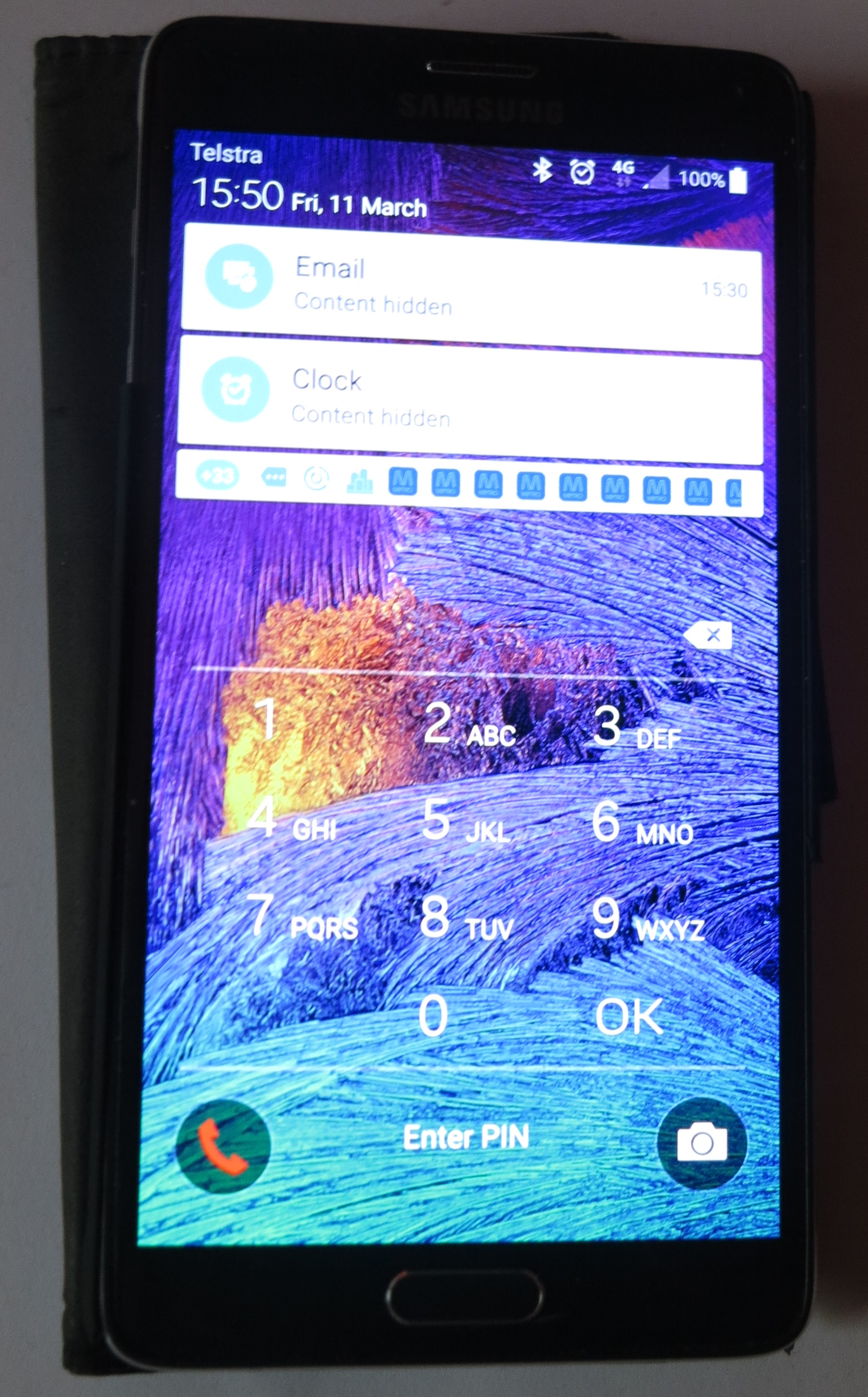
Qualcomm will work towards authenticating photos taken by smartphones or other devices using its ARM silicon at the point of capture
One of the strongest ways to fight misinformation will soon be right in your phone | FastCompany
My Comments
The rise of deepfaked and doctored imagery surfacing on the Web and being used to corroborate lies has started an arms race to verify the authenticity of audio and visual asset
It was encouraged by the Trusted News Initiative which is a group of leading newsrooms who want to set standards regarding the authenticity of news imagery and introduce watermarks for this purpose.
TruePic, an image authentication service, are partnering with Qualcomm to develop hardware-based authentication of images as they are being taken. Qualcomm has become the first manufacturer of choice because of themselves being involved with ARM-based silicon for most Android smartphones and the Windows 10 ARM platform.
This will use actual time and date, data gained from various device sensors and the image itself as it is taken to attach a certificate of authenticity to that image or video footage. This will be used to guarantee the authenticity of the photos or vision before they leave the user’s phone.
TruePic primarily implements this technology in industries like banking, insurance, warranty provision and law enforcement to work against fraudulent images being used to corroborate claims or to where imagery has to be of high forensic standards. But at the moment, Truepic implements this technology as an additional app that users have to install.
The partnership with Qualcomm is to integrate the functionality in to the smartphone’s camera firmware so that the software becomes more tamper-evident and this kind of authentication applies to all images captured by that sensor at the user’s discretion.
The fact that TruePic is partnering with Qualcomm at the moment is because most of the amateur photos are being taken with smartphones which use this kind of silicon. Once they have worked with Qualcomm, other camera chipmakers including Apple would need to collaborate with them to build in authenticated image technology in to their camera technology.
It can then appeal to implementation within standalone camera devices like traditional digital cameras, videosurveillance equipment, dashcams and the like. For example, it can be easier to verify media footage shot on pro gear as being authentic or to have videosurveillance footage being offered as evidence verified as being forensically accurate. But in these cases, there may be calls for the devices to be able to have access to highly-accurate time and location references for this to work.
The watermark generated by this technology will be intended to be machine-readable and packaged with the image file. This will make it easier for software to show whether the image is authentic or not and such software could be part of the Trusted News Initiative to authenticate amateur, stringer or other imagery or footage that comes in to a newsroom’s workflow. Or it could be used by eBay, Facebook or Tinder to indicate whether images or vision are a genuine representation of the goods for sale or the p
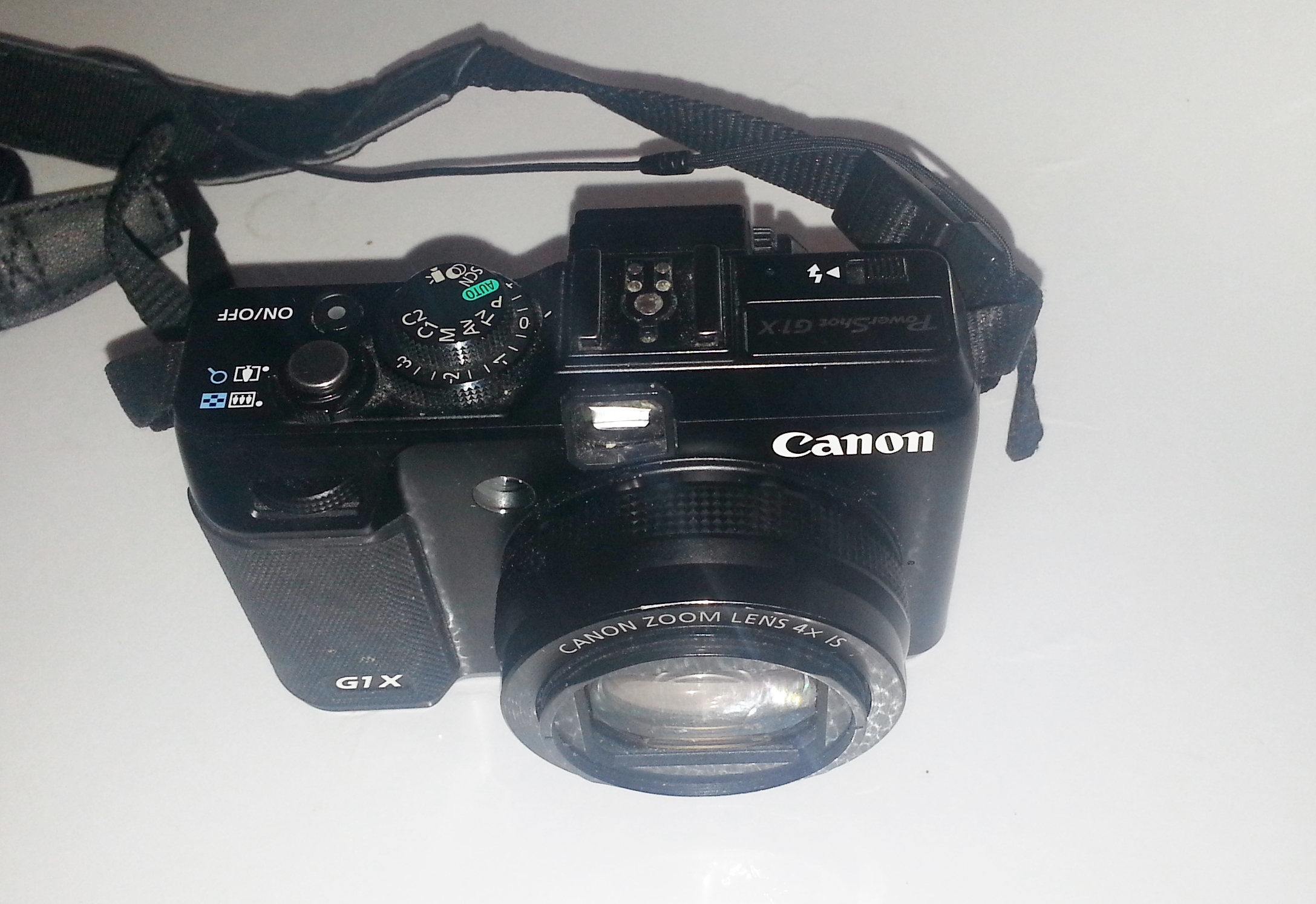
But this technology needs to also apply to images captured by dedicated digital cameras like this Canon PowerShot G1 X
rofile holder.
The idea of providing this function would be to offer it as an opt-in manner, typically as a shooting “mode” within a camera application. This allows the photographer to preserve their privacy. But the use of authenticated photos won’t allow users to digitally adjust their original photos to make them look better. This same situation may also apply to the use of digital zoom which effectively crops photos and videos at the time they are taken.
There is the idea of implementing distributed-ledger technology to track edits made to a photo. This can be used to track at what point the photo was edited and what kind of editing work took place. This kind of ledger technology could also apply to copies of that photo, which will be of importance where people save a copy of the image when they save any edits. This will also apply where a derivative work is created from the source file like a still image or a short clip is obtained from a longer file of existing footage.
A question that will then come about is how the time of day is recorded in these certificates, including the currently-effective time zone and whether the time is obtained from a highly-accurate reference. Such factors may put in to doubt the forensic accuracy of these certificates as far as when the photo or footage was actually taken.
For most of us, it could come in to its own when combatting deepfake and doctored images used to destabilise society. Those of us who use online dating or social-network platforms may use this to verify the authenticity of a person who is on that platform, thus working against catfishing. Similarly, the use of image authentication at the point of capture may come in to its own when we supply images or video to the media or to corroborate transactions.