Tag: Internet Of Things

Z-Wave to be the first standards group to mandate secure IoT

Article

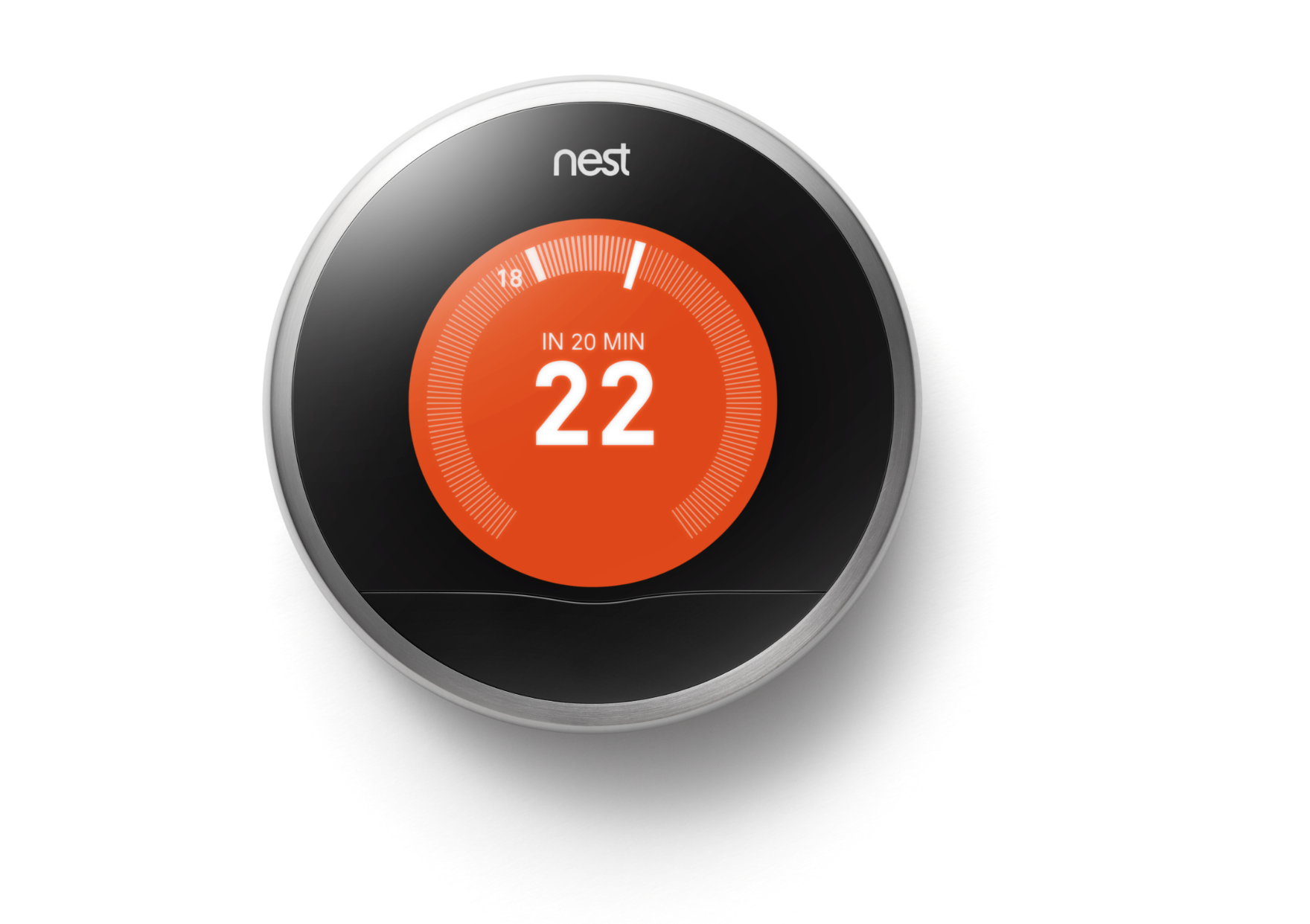
Nest Learning Thermostat courtesy of Nest Labs

Z-Wave now requires a secure-by-design approach for Internet Of Things devices using its technology like these room thermostats

IoT gear will need better security to win a Z-Wave badge | PC World

Previous coverage on this topic

A Clear Reality Surfaces With The Internet Of Things

EU wants to establish a security baseline for Internet Of Things

August responds to its smart lock’s security weaknesses by patching its software

My Comments

The recent Mirai botnet denial-of-service cyber-attacks including an attack against a data-security journalist have raised serious questions regarding designing the software for dedicated-purpose devices like network-infrastructure devices and the “Internet Of Things”. Here, it raised concern regarding default or hard-coded passwords along with poorly-maintained software as being a few of the issues that lead to lax security proactices for the dedicated-purpose devices.

This led to the European Union wanting to call a baseline standard for device-software security, with a customer-facing indicator similar to energy-efficiency labels on appliances or nutrition-rating labels on foodstuffs. Here, the standard wanted to look at “default-for-security” setup routines along with the issue of software maintenance.

But Z-Wave who establish a short-range wireless-connectivity standard for home-automation devices have had to answer this issue by requiring that devices using this technology implement their Security 2 (S2) secure-operations framework before the device can wear the Z-Wave logo. It is similar to various standards logos like Dolby noise reduction, DLNA or HDMI where equipment has to be compliant to these standards before they can show these logos and customers can see that logo as an indicator of compatibility.

Here, the requirement includes the use of a human-readable PIN number and/or a machine-readable QR code for authenticating devices to a Z-Wave network. As well, Z-Wave setups must implement a strong secure key exchange along with implementation of a Transport Layer Security 1.1 data tunnel for IP setups. It is mandatory for the endpoint devices like light bulbs, light switches and thermostats along with “hub” and similar devices that connect Z-Wave devices to the home network and Internet.

A question that may be raised with certain device classes like smart locks or security systems is whether a PIN number that you set using the device’s control surface, especially an “administrator” or “master” PIN number, does constitute a PIN number for the Security 2 (S2) framework.

At the moment, what Z-Wave have done is to address the issue of “secure setup” for this class of device. They haven’t dealt with the issue of software maintenance which is still a thorn in the side for dedicated-function devices and this may be something that others in the industry may need to deal with.

Finnish building-management systems cop the brunt of cyberattacks

Article

There needs to be a level of cyber-security awareness regarding the design and maintenance of building-automation systems

There needs to be a level of cyber-security awareness regarding the design and maintenance of building-automation systems

Finns chilling as DDoS knocks out building control system | The Register

My Comments

Two apartment buildings in Finland became victims of distributed denial-of-service attacks which nobbled their building-management systems. This caused the buildings’ central heating and domestic hot water systems to enter a “safety shutdown” mode because the remote management systems were in an endless loop of rebooting and both these systems couldn’t communicate to each other. The residents ended up living in cold apartments and having cold showers because of this failure.

What is being realised is that, as part of the Internet Of Things, building-management equipment is being seen to be vulnerable, due to factors like the poor software maintenance and an attitude against hardening these systems against cyber-attacks. Then there is the issue of what level of degraded-but-safe functionality should exist for these systems if they don’t communicate to a remote management computer. This also includes the ability for the systems themselves to pass alarm information to whoever is in charge.

This situation has called out data-security issues with design and implementation of dedicated-purpose “backbone devices” connected to the Internet; along with the data-security and service-continuity risks associated with cloud-based computing. It is also an issue that is often raised with essential services like electricity, gas and water services or road-traffic management being managed by Internet-connected computers with these computers being vulnerable to cyberattack.

One of the issues raised included the use of firewalls that run up-to-date software and configurations to protect these systems from cyberattack.

I would also look at a level of fail-safe operation for building management systems that can be implemented if the Internet link to remote management computers dies; along with the ability to use cellular-telephony SMS or similar technology to send alarm messages to building management during a link-fail condition. The fail-safe mode could be set up for a goal of “safe, secure, comfortable” quasi-normal operation if the building-local system identifies itself as operating in a safe manner.

EU wants to establish a security baseline for Internet Of Things

Article

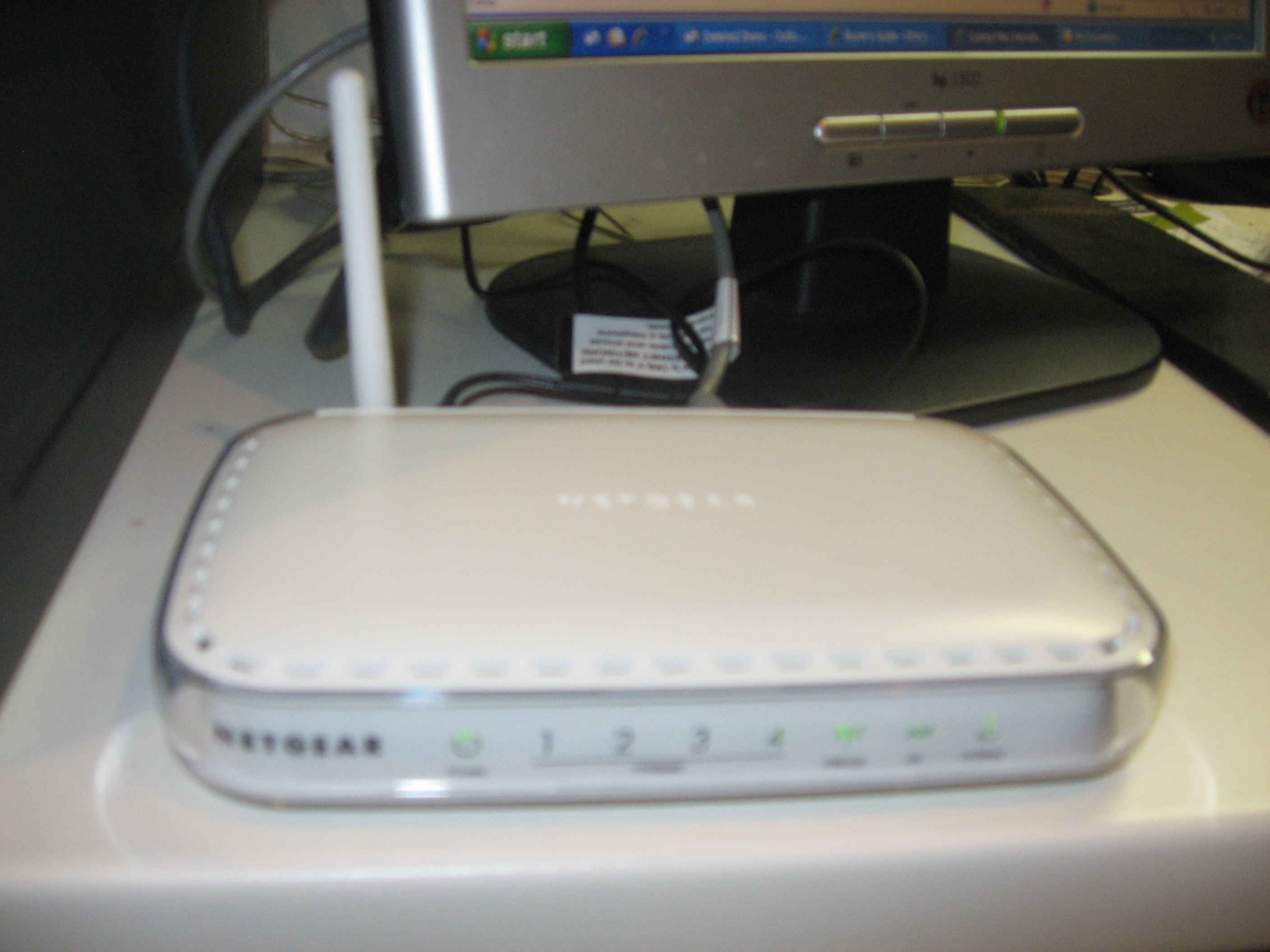
Netgear DG834G ADSL2 wireless router

The security of network connectivity equipment is now in question thanks to the Krebs On Security DDoS attack

The EU’s latest idea to secure the Internet of Things? Sticky labels | Naked Security Blog

My Comments

The European Commission wants to push forward with a set of minimum standards for data security especially in context with “dedicated-function” devices including the “Internet Of Things” or “Internet Of Everything”. This also includes a simplified consumer-facing product-label system along with a customer-education program very similar to what has taken place in most countries concerning the energy efficiency of the appliances or the nutritional value of the foodstuffs we purchase.

This issue has been driven by a recent cyber attack on the Krebs On Security blog where the “Mirai” botnet was used to overload that security blog, the latest in a string of many attacks that were inflicted against data-security journalist Brian Krebs. But this botnet was hosted not on regular computers that were running malware downloaded from questionable Internet sites, nor was it hosted on Web hosts that were serving small-time Websites running a popular content management system. It was based on poorly-secured “dedicated-function” devices like network-infrastructure devices, video-surveillance devices, printers and “Internet Of Things” devices that had their firmware meddled with.

Nest Learning Thermostat courtesy of Nest Labs

… as could other Internet-Of-Things devices like these room thermostats

There will be issues that concern how we set network-enabled equipment up to operate securely along with the level of software maintenance that takes place for their firmware. A question always raised in this context is the setup or installation procedure that you perform when you first use these devices – whether this should be about a “default-for-security” procedure like requiring an administrator password of sufficient strength to be set before you can use the device.

But I also see another question concerning the “durables” class of equipment like refrigerators, televisions, building security and the like which is expected to be pushed on for a long time, typically past the time that a manufacturer would cease providing support for it. What needs to happen is an approach towards keeping the software maintained such as, perhaps, open-sourcing it or establishing a baseline software for that device.

Manufacturers could be researching ways to implement centralised simplified secure setup for consumer “Internet-Of-Things” devices along with maintaining the software that comes with these devices. This could be also about working on these issues with industry associations so that this kind of management can work industry-wide.

But the certification and distinct labelling requirement could be about enforcing secure-by-design approaches so that customers prefer hardware that has this quality. Similarly, a distinct label could be implemented to show that a device benefits from regular secure software maintenance so that it is protected against newer threats.

It usually just requires something to happen in a significant manner to be a wake-up call regarding computer and data security. But once a standard is worked out, it could answer the question of keeping “dedicated-purpose” computing devices secure.

August responds to its smart lock’s security weaknesses by patching its software

Article August Smart Lock press picture courtesy of August

IoT manufacturer caught fixing security holes | The Register

Here’s what happened when someone hacked the August Smart Lock | CNet

My Comments

The Internet Of Things, along with network hardware focused at consumers and small businesses, has been considered a thorn in the side of people who are involved with data security. This is because of a poor software-maintenance cycle associated with these devices along with customers not installing new software updates for these devices.

Recently, at the DEFCON “hack-a-thon” conference in Las Vegas, a few of the smart locks were found to have software weaknesses that made them vulnerable.

But August, who makes one of these smart locks which are retrofitted to existing “bore-through” single-cylinder tubular deadbolts, answered this issue in a manner that is considered out-of-place for the “Internet Of Things”. Here, they issued software patches to rectify these security issues and offered them as a user-downloadable firmware update.

What is a sad reality for a lot of these devices is that the manufacturer rarely maintains the firmware that runs these devices, if not at all. Some manufacturers think that this practice is about having to “add functionality” to these devices which they would rather do with subsequent models or product generations. But this kind of updating is about making sure that the software ecosystem associated with the product is secure and stable with all the “bugs” ironed out. Similarly, it is also about making sure that the product is complying with industry standards and specifications so as to work properly with other devices.

August uses the latest iterations of their smartphone apps to deploy the firmware updates to their products, typically requiring that you place your phone with the app running near the door that is equipped with these locks.

The computing security industry and computing press congratulated August on responding to the security weakness in its products through a firmware update with “The Register” describing it as being beyond the norm for the “Internet Of Everything”. But they wanted more in the form of them disclosing the nature of the threats in the lock’s firmware in a similar manner to how Microsoft, Google or Apple would disclose weaknesses in their operating-system software.

This issue also is something that is applying to home-network equipment like routers, along with toys and games that connect to the Internet. What is being called out for is a feedback loop where bugs and other software deficiencies in all these devices are called out and a simplified, if not automatic, in-field software-update process takes place whenever newer firmware that answers these problems is released. This also includes the manufacturers disclosing the security issues that have been found and explaining to customers how to mitigate the risks or update the affected software.

Telstra joins the smart-home bandwagon

Article

Telstra Is Launching A Smart Homes Monitoring System | Lifehacker Australia

Telstra Has A Smart Home Monitoring System Coming Later This Year | Gizmodo

From the horse’s mouth

Telstra

Press Release

My Comments

What can a telco, pay-TV provider or ISP do when they face competition in the Internet-service, pay-TV, mobile communications or similar markets? Some of them have looked towards contributing to the smart-home market, whether offering their own service or rebranding a service offered by a specialist company under their own label.

Telstra is the latest to engage in this practice by offering a subscription smart-home service. Here, they will offer a “Watch and Monitor” security-focused service and an “Automation and Energy” home-automation service. This will be about ideas like knowing things like if a particular person has come home or whether that door that is meant to be locked is locked or whether that appliance like the iron is on or off. It can also be about having the heating turned down when no-one is up and around.

The hardware links to your home network and the Internet via Wi-Fi but most likely may use the Zigbee technology as the “low-power” wireless backbone. Each system will have a “Smart Home Hub” which links all the devices together and to the Internet and you will find that an iOS or Android mobile-platform app or a Web-based user interface will be the main control surface.

The Wi-Fi link also serves an indoor network camera and an outdoor network camera, both of which are HD-capable. There is a smart-thermostat kit which will link to your home’s heating and cooling system which may apply to those of us who use a central heating or cooling system of some sort. Telstra are also offering the Lockwood smart deadbolt which is like the Yale Real Living Connected Deadbolt that comes from ASSA Abloy. There are also the Sengled Element LED touch smart lights which are intended as replacements for most light-bulb setups along with a smart power plug that monitors current being used along with the ability to turn the appliance on or off.

Other sensors include a window sensor, a door sensor which is a magnet-reed contact sensor and a wide-beam PIR sensor that can be set up for “pet-alley” mode with all these devices talking to the Smart Hub wirelessly most likely via Zigbee technology.

Of course, like a lot of these home-automation systems, it will be a self-install package but Telstra may point you towards specialists who can help you with installation and setup requirements.

The system, which will be offered to customers irrespective of whether they maintain a Telstra communications service or not, is intended to be launched later this year.

Personally, I would like to see Telstra offer the subscription-based service as part of a cost-effective “multiple-play” telecommunications + entertainment service for those customers who value the idea of having “many eggs in one basket” by concentrating their business with one provider.

What will Bluetooth 5 be about

Article – From the horse’s mouth

Bluetooth SIG

Press Release

My Comments

Bluetooth are to release the 5th major version of their wireless personal-network specification by between late 2016 to early 2017. But what will this offer?

This is more about increasing broadcast capacity, data bandwidth and operational range for Internet of Things applications while working with the unlicensed 2.4GHz ISM waveband. The extended range will be seen in the smart-home context as reaching beyond the walls of a typical house while there is the improved operational robustness affecting this class of application.

One of the key benefits is to reduce the need for “device + app” setup for Internet-of-Things setup. This typically requires that you go to the mobile platform’s app store to download a special “enablement” app for your Internet-Of-Things device to your smartphone or tablet and then logically associate that device with your mobile device before you can benefit from that device. This applies also to “beacon” setups where the venue has to develop a mobile-platform app to make sense of the beacons that they use for indoor navigation / location setups.

The question that could be raised is whether this will lead towards a “Web-app” setup where beacons and Internet-of-Things devices will run their own mobile Web pages for showing data about themselves or their current status. Similarly, could this also lead to the creation of a platform-detecting “interface page” which leads people to install mobile-platform apps from the correct mobile-platform app store.

There will also be the question about assuring the privacy and data security for end-users and their mobile client devices so as to prevent Bluetooth 5 beacons and IoT devices from being a malware-distribution vector. Here, it may be about implementing a “trust-based” system which is based on factors like suppliers, venues, software developers and the like. Similarly, it may be more valuable to have this kind of setup based around “pull-based” content acquisition where the end-user is involved in the process of acquiring the data rather than the data being automatically delivered to the end-user’s mobile device.

There are other use cases that can take advantage of this large data capacity in the context of beacons and the Internet Of Things especially if the “device+app” setup is still maintained. One of these would be to allow field-based software and data maintenance where a new Webpage or firmware could be supplied to a Bluetooth 5 IoT device from a mobile client. Similarly, you could upload and download operational data between the IoT device and a mobile client or portable computer with building security, data-logging or smartwatches being a key application. For example, it could be a simple and quick task to deploy a rich watch-face or app to a smartwatch while syncing data like contacts-lists and health data to your smartphone at the same time.

The Bluetooth 5 technology will benefit the smart-home, enterprise and industrial applications. Some of the use cases being called out in the form of indoor navigation for airports and shopping centres, asset or warehouse-inventory tracking, improved emergency response like the “enhanced 911” service that benefits mobile-phone users along with the ability to assist visually-impaired people around the cities. An advertising-based application may involve a beacon-type device at an event being used to provide further information like a PDF or HTML “e-brochure” hosted on that device.

Like with every evolution of the Bluetooth standard, this will require newer Bluetooth 5.0 compliant hardware on the client device and this will typically be provided with newer client devices after mid-2017. Regular computers could be upgraded to this standard thanks to USB Bluetooth modules which could be seen as a way to upgrade Windows laptops, 2-in-1s or tablets. This also applies to some embedded devices that provide some form of “after-the-fact” functionality upgrading like the Yale and Lockwood smart deadbolts that use a wireless-connectivity module for smart-home functionality.

The CSIRO considers the Internet Of Things a viable alternative to the alarm pendant

Article

Why the CSIRO is building smart homes for elderly Australians | IT News

My Comments

The typical situation to assure the welfare of an  elderly, disabled or chronically-ill person who is living alone at home is to have them wear a pendant or wristband panic-button that signals carers or loved ones if they need help.

But issues have been raised about these devices being, for example, left somewhere in the home because the person forgets to wear it after they have finished an activity which may not play well with these devices. As well, these wearable devices are only of value if they trigger the device in response to an emergency situation like a fall.

The CSIRO are looking towards the use of the “Internet Of Everything” as a way of monitoring the welfare of these people, a use case which I do frequently refer to in the context of this technology.

Here, they would use commonly-available sensor technology like the motion sensors that are part of every intruder-alarm system, or flow meters and power meters on appliances; or door-contact sensors on wardrobes or kitchen cupboards to observe for normal activity.

Along with this, the CSIRO effort also wants to use health sensors like blood-pressure monitors or scales to register a person’s health statistics and it has been valued because the patients will be wanting to know how they are doing along with the ability to provide more knowledgeable information to their doctor about their symptoms.

They want to use knowledge of past health incidents affecting elderly, disabled or chronically-ill people to train the machine-learning algorithm to identify the abnormalities at an earlier stage rather than when a serious incident occurs. Of course, any machine-learning setup needs to be able to adjust to newer legitimate changes so as to avoid any “false positives”.

A question that will always be raised is the cost to set up this kind of observation with it costing less than AUD$3000 because of the use of common technologies and components rather than specialised hardware.

The topic of privacy has also been raised because the CSIRO monitoring system is based on cloud technology and Internet-based data access, and is of importance to reduce the risk of elder abuse. Here, the goal is to allow the patients to control their data so that it is exposed to whoever they trust in a granular manner. This is more so with relatives because they may be trusting of certain people within their family.

As well, the features that have been raised as being of importance to the elderly community for this personal-health monitoring setup include the ability to know who is at the door, the ability to engage in videocalls with family and friends along with the ability to know if one has forgotten to turn off a tap or appliance. This can easily affect older people who may become increasing forgetful about these things such as a burner on the newer gas cooker being left on but turned really down or not being able to hear clearly that the washbasin tap is still running.

The effort that CSIRO is undertaking is to be able to allow an elderly or other vulnerable person to live independently yet be able to know that help is at hand while their loved ones are sure that they are well.

A call-for-help program has been developed for Microsoft Band

Article

Microsoft Band App Provides Discreet Reporting For Domestic Violence  | SuperSite For Windows

Previous coverage on this topic

Doncare has launched a mobile-phone app to help people in domestic-violence situations

From the horse’s mouth

Band Aid

Home Page

My Comments

Previously, I had given some space to an iOS mobile-platform app written in conjunction with Doncare Community Services in Doncaster to provide domestic-violence survivors access to the necessary information. This app provide the one-stop information shop functionality but could be quickly deleted from a mobile device if the user is in danger of ending up in trouble for seeking help, which can happen in an abusive relationship.

For those of you who are based in the UK, this has recently become a cause celebre thanks to it being woven in to BBC’s “The Archers” radio serial which highlighted an abusive relationship that was taking place in to one of its storylines.

But another project has been finished where a wearable is used as a tool for summoning help in these situations.  This is in the form of “Band Aid” which is an app that works with the Microsoft Band to detect when the wearer is under undue stress and invite them to have the paired smartphone call the national emergency-services number or a user-determined help number like a trusted friend or domestic-violence helpline. The user can override the software to bypass stress-sensing during exercise or similar situations.

There is further development taking place with this software such as working alongside support and refuge centres for domestic and relationship violence sufferers. There is also some work taking place with “social listening” and machine-learning to identify the behaviour of one who is under threat.

The “Band Aid” project has been developed as part of the “HackForHer” hackathon which is a programming challenge for software solutions that can help and enable women. Here, these kind of hackathons can flesh out ways that technology can help particular user groups in particular situations.

Personally, I would like to see this program be “taken further” to facilitate help in other situations like independent ageing (fall detection), living with chronic illnesses with a high fall risk like diabetes or epilepsy, or living with mental illnesses. The sensors in wearables like the Microsoft Band, the Apple Watch and the Android Wear smartwatches are able to monitor body signs along with the wearable’s gyroscope sensor being able to detect falls and similar situations while machine learning that is part of the software can identify what is normal compared to what is abnormal.

Here, it could detect if one is about to have a diabetic coma or epileptic seizure, or needs help because they as an old person fell. Having this kind of software work with the “Internet Of Everything” can work well for identifying risk-taking behaviour such as a person who is living alone not entering the kitchen to feed themselves or making sure that a person has taken medicines that they have to take.

What is happening is that it is the first time devices in the platform wearables or Internet-Of-Things class, along with the concept of machine learning, are being exploited as a personal-welfare device rather than as a wellness or “keep-fit” device. Here, this avoids the need to wear extra clutter to achieve a goal of ideal personal safety or health.

Controlling your garage door or gate from your smartphone

Relevant article:

Detached garage

Very soon your smartphone could control your garage door

Smart Garage Door Systems | Postscapes

Introduction

A feature that is available for your remote-controlled garage door or gate is the ability for you to control it using your smartphone. But this feature is primarily available from a few American-based home-automation manufacturers with some companies who sell garage-door openers offering add-on kits for their products to enable them to have this functionality. This is while the rest of these vendors offer them as a kit that is retrofitted to an existing garage-door opener or gate controller.

What do they offer?

Your smartphone is your garage door remote control
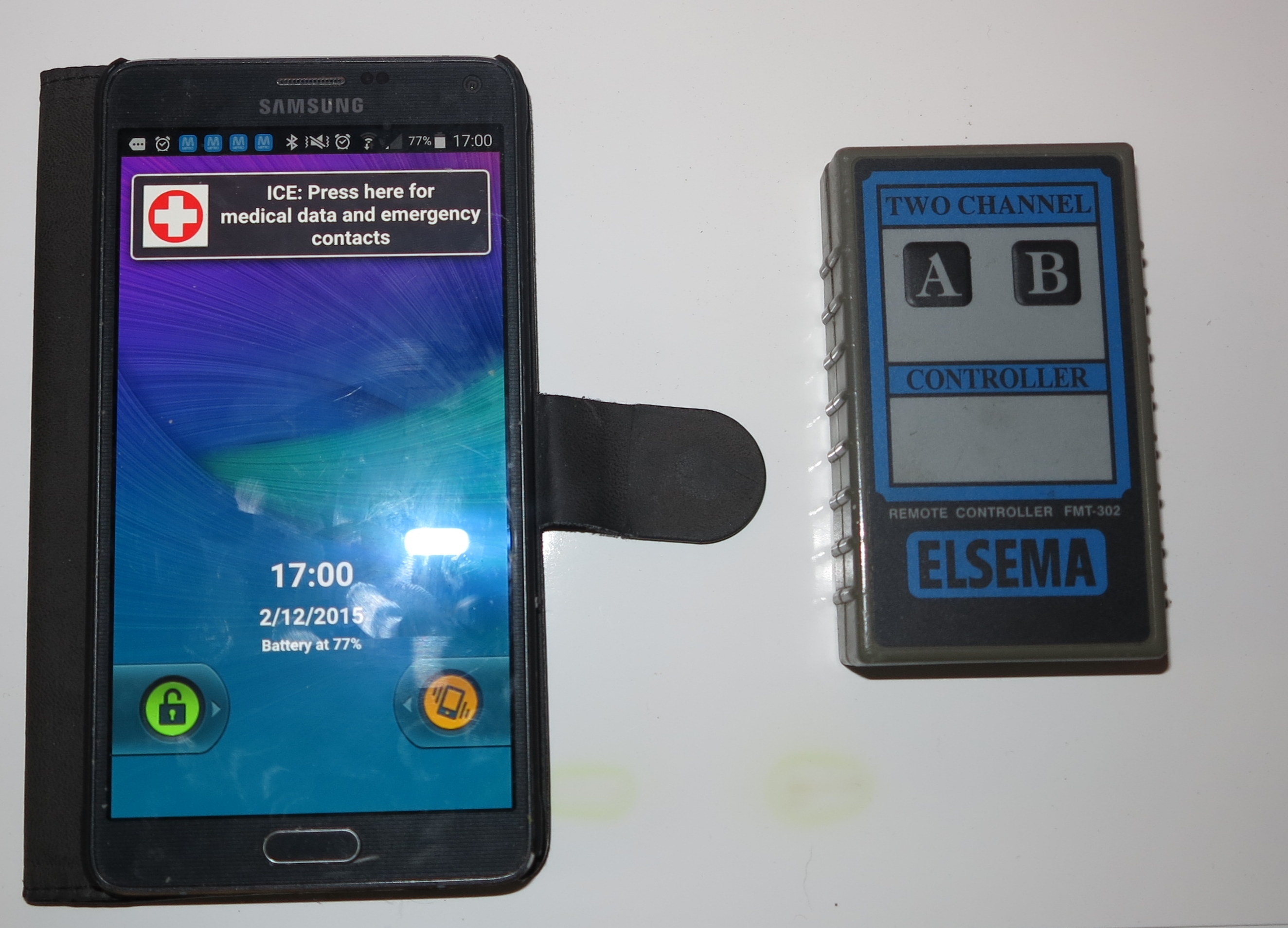
Smartphone and garage door transmitter

This Android smartphone could supplant that garage door opener

This avoids the need for you to fossick for a garage-door opener transmitter or worry whether the transmitter’s battery has died when you leave or arrive and some of these systems may have the ability to let you know if that garage door is actually closed or not. This may avoid the need to glance nervously in the rear-vision mirror when you leave to see if that door is closing as I have seen someone that I have known do when they and I left their house in their car, or to turn around to check if that gate is properly closed.

There is also the opportunity for the software developer who write the smartphone apps for these garage door controllers to exploit your smartphone platform’s abilities like asking your platform’s voice-driven personal assistant (Siri, Google Now, Cortana) whether the garage door’s open or not or telling it to close the door. Similar you can set a notification to pop up using your smartphone platform’s notification interface if certain conditions are met like the garage door being open too long or at odd hours.

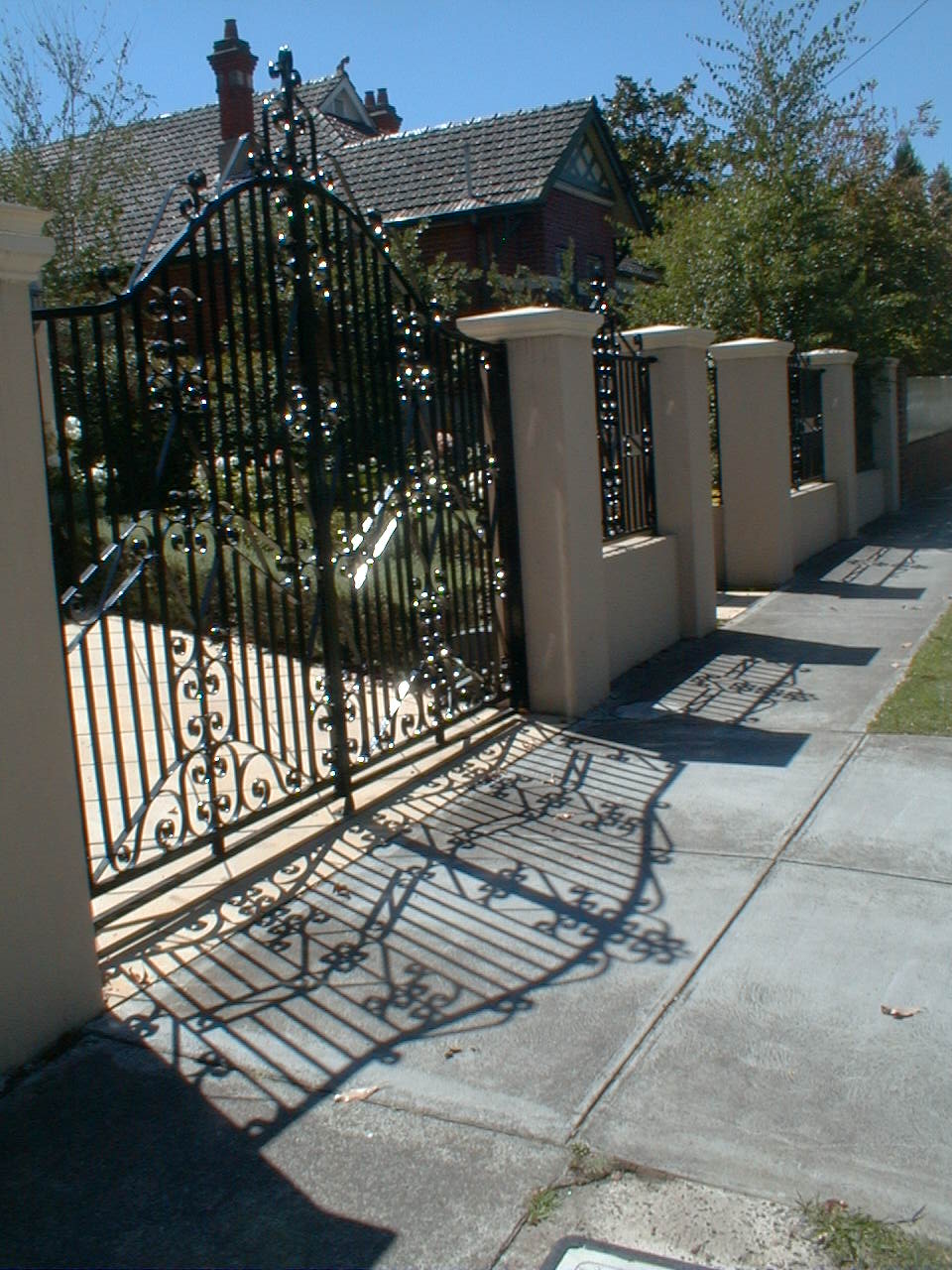
Wrought iron gates

Even wrought-iron gates like these can be controlled with your smartphone

The software developers can even provide support for the in-car or smartwatch interfaces that are an extension of these mobile operating systems so that your CarPlay or Android Auto infotainment setup in the car, or your Apple Watch or Android Wear smartwatch is your key to your garage door or gate.

Increased security and manageability

All these garage door controllers have similar functionality to a smart lock where you can issue extra keys to other people yet have the ability to take the keys away from them or provide limited usage periods for these keys.

For example, you could allow your houseguests to have access to the garage or give the keys to a friend who is storing their car in your garage. Similarly, you could allow your nanny to have access to your property through the front gates for the duration of her shift.

You gain this functionality through the mobile-platform app or a Web-based dashboard in the case of those systems that connect to your home network. In a lot of cases, the latter example allows you to manage your garage from another Internet-connected computer like your workplace’s computer.

How do they work

Connecting to the garage door or gate opener

Most of these systems are designed to work on a universal-connection setup where the smartphone controller interface mimics the manual pushbutton that is used to open the garage door from inside. This is achieved through a relay (your car has these to control the headlights, horn or starter motor from the switches on the dashboard) or an optocoupler which has its switching contacts wired in parallel to the manual pushbutton and these are brought closed for a short moment when the controller wants the door opened or closed. This action causes the garage door or the gates to start opening or closing depending on their current position. The setup allows for the circuits in both the devices to be isolated thus reducing the risk of cross-voltage damage occurring while allowing for this control.

The systems that support Wi-Fi-based connectivity also provide the ability to work with a sensor that determines whether the garage door is open or closed. This allows them to report on this status either in an event-driven manner or under control of the controller’s app. This goal can be achieved using a wireless sensor that uses an integrated tilt switch and is attached to your single-panel or multi-panel lift-up garage door; or the better units may simply allow you to connect a door-contact switch to the garage door. This can work well with roller doors, sliding or swing doors including gates.

A few of these systems even have their own video-surveillance camera or can work with IP-based video-surveillance cameras so you can see if the garage door is opening or closing as well as knowing if anyone is in the garage. Some of them also offer a visual and/or audio alert so you and others know if the garage door or gate is being opened or closed, with this functionality being offered as a “get-out-of-the-way” safety warning.

The GoGoGate controller allows for increased flexibility by permitting different wiring scenarios like a separate “open” and “close” button which may be encountered with more advanced setups. On the other hand, some garage-door-opener manufacturers may offer kits that enable you to control their products from your smartphone.

An issue that may plague a lot of these controllers is that they aren’t weatherproof to outdoor conditions and installers may have to house them in weatherproof housings if they want to use them with gates.

Connecting to your smartphone

Some of these garage door controllers connect to your smartphone using a Bluetooth 4.0 interface while most of the others use a Wi-FI network interface that is linked to your home network’s Wi-Fi segment.

A few of the controllers also offer an “own-access-point” mode where they serve as their own Wi-Fi access point just for controlling your garage door or gates. In this latter case, you have to make sure your smartphone discovers and switches to that network before you can control your garage door.

Some of the controllers like the GoGoGate system may even provide for Ethernet connectivity, perhaps in the form of using an Ethernet-based USB network adaptor. This feature cannot be discounted because it can allow the use of HomePlug AV500 or HomePlug AV2 powerline adaptors to provide a reliable network link to the home network and the Internet. Use this with a HomePlug Wi-Fi access point and you could assure reliable remote access from your car outside the garage or front gates.

Software

All of the smartphone-capable garage door controllers, like other home-automation devices, rely on control apps that are peculiar to a vendor’s controller system.

They will allow you to control multiple garage doors as long as the controllers are from the same vendor. The software even allows for property-level grouping and caters toward garages which have two or three separately-opened doors. So this means that you don’t need to install a new app for each door.

The Wi-Fi-based systems that connect to your home network also work with a management Website so you can see access logs or manage your system from a regular computer. Some of them also link to a remote-access server which would be referred to as a “cloud” setup, typically established by the vendor. This would allow for functions like email alerts or the ability to open or close your garage door from work.

Another feature to expect for some of these connected garage-door-controller systems is the ability to integrate with smart-home subsystems. This feature may be delivered in the form of a software update for better-designed systems, but some smart-home platforms like Apple’s HomeKit or Google’s Nest may require the garage-door controller system to be accepted by the platform’s vendor.

Conclusion

Although there are 11 systems on the market that link your garage door or gate to your smartphone, the market is still immature and fragmented as is the rest of the “smart-home” product market.

What needs to happen is for companies involved with garage doors and front gates for the residential and small-business market to share knowledge in order to enable the garage door or front gate to be part of the smart home. Manufacturers could sell the technology on a basis that allows different vendors to integrate in to their systems thus allowing for a quicker time-to-market for newer products or a reduced need to “reinvent the wheel”. As far as retailers go, it could include reselling the various systems whether with a new installation or to retrofit to existing installations.

For most of us, it may simply be about inquiring with your garage-door contractor about the existence of Bluetooth-based or Wi-Fi-based garage door controllers and seeking to have them installed.

Bluetooth to benefit from speed and range improvements

Articles

Bluetooth is getting big range and speed boosts in 2016 | Engadget

From the horse’s mouth

Bluetooth SIG

Press Release

My Comments

There is some talk about Bluetooth issuing a new major specification that will be tweaked further for the Internet Of Things. There have been some devices that implement Bluetooth 4.0 in this context, primarily in the form of some smart locks, but there are some limitations with operating range for example, especially when these devices work with network bridges to enable cloud-based control and monitoring.

Here they want to pitch it as a competitor to ZIgbee and Z-Wave for “smart-home”, industrial automation and location-based-service applications. The goal with this is to provide an increased operating range (typically 4x the current operating range) and 100% speed improvement but give the devices increased power efficiency. This may allow for operation for a long time like six months on commodity batteries – think of 2 or 3 AA-size or AAA-size Duracells or one coin-size battery of the kind used with watches or car-alarm keyfobs.

Similarly,Bluetooth wants to add “mesh support” where some devices act as radio repeaters for other devices to allow for building-wide coverage. This is something already practised with Zigbee and Z-Wave and could bring about Bluetooth as another option for that smart-home or building-automation system.

But with Bluetooth in the equation, a network bridge for an “Internet Of Things” setup may have to work with Z-Wave, Zigbee and Bluetooth if the goal is to provide an on-ramp to mobile or Internet control. On the other hand, it could be feasible for a device to be designed to work with smartphones and tablets while servicing a building-automation setup, using only one radio transceiver and a well-known data communications standard.