Pocket-sized NVIDIA external graphics module about to arrive
Article
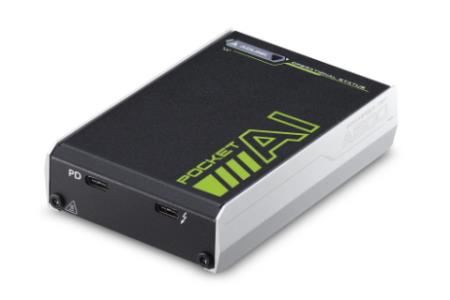
Pocket AI portable external graphics module
Pocketable RTX 3050 GPU Has Thunderbolt Power | Tom’s Hardware (tomshardware.com)
Adlink readies Pocket AI palm-sized portable Nvidia GPU for AI applications – NotebookCheck.net News
From the horse’s mouth
Adlink
Pocket AI | Portable GPU with NVIDIA RTX GPU (Product Page)
ADLINK launches portable GPU accelerator with NVIDIA RTX A500 in NVIDIA GTC (Press Release)
My Comments
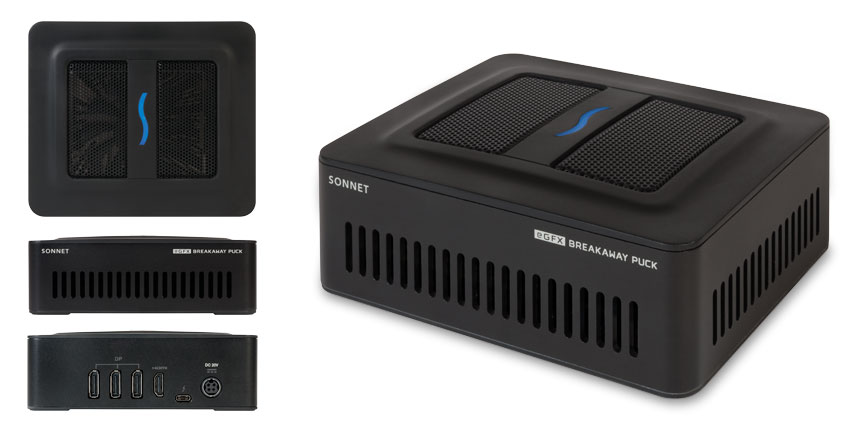
Sonnet put up one of the first Thunderbolt-3-connected portable external graphics modules that you can put in your laptop bag or backpack and allow you to improve your laptop’s graphics performance when you are away from home or work. It doesn’t matter whether you are using an external monitor or the laptop’s own display to see the results. Subsequently a few other manufacturers offered similarly-portable external graphics modules that achieve this same goal in something that can be easily transported.

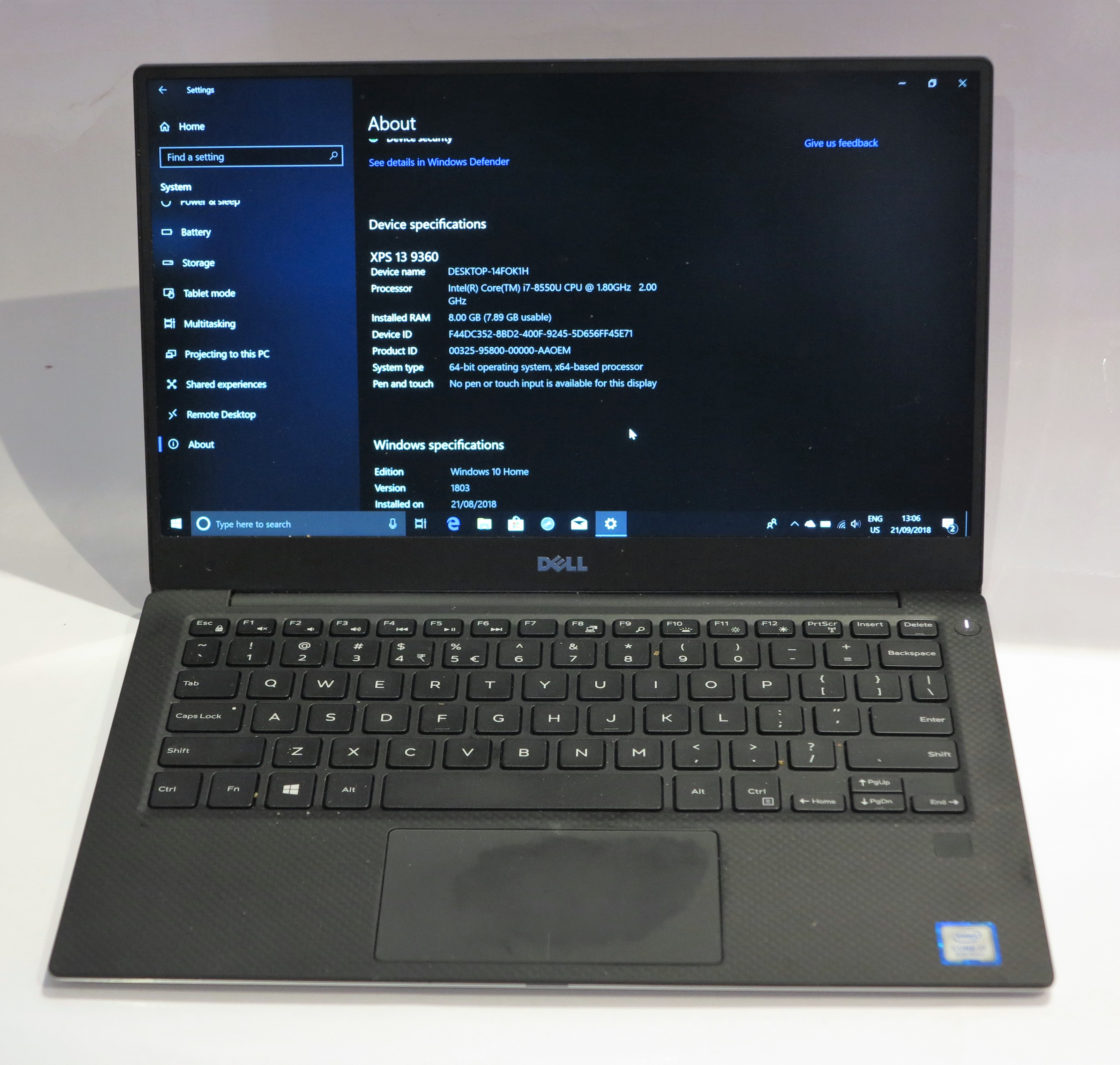
The Dell XPS 13 series of ultraportable computers and other Thunderbolt-3-equipped laptops can benefit from external graphics modules
But a mixture of circumstances ranging from COVID with the associated supply-chain issues and the “Crypto Gold Rush” bubble had impacted on the availability and cost of graphics processors. This meant that it was hard to find a portable external graphics module that was in the price range for even the most serious creator or gamer.
Subsequently the supply chain issues started to ease up and the Crypto Gold Rush bubble had burst which led to more graphics-processor silicon being made available. Some manufacturers even made a point of positioning particular graphics silicon away from crypto mining through means like software crippling or creating auxiliary processor cards dedicated to that task. This has freed up the supply of graphics silicon for high-performance-computing tasks like gaming, creator / prosumer computing, certified workstations and artificial intelligence.
That led to Sonnet refreshing their portable external graphics module with newer AMD graphics silicon and offering it as two different units powered by different GPUs. That allowed for some form of product differentiation in this product class.
Now Adlink are promoting a pocketable external graphics module for use with Thunderbolt-3-equipped laptops and “next-unit-of-computing” computers. This integrated external graphics module which is powered by NVIDIA RTX silicon is being pitched at artificial-intelligence use cases but can come in to play for gamers, creators and the like.
The Pocket AI external graphics module uses a soldered-in NVIDIA RTX A500 mobile graphics processor with 4Gh display memory. The Tom’s Hardware article reckoned that this offered performance akin to an NVIDIA RTX-3050 mobile graphics processor offered for recent entry-level discrete-GPU laptops.
Rather than using a device-specific power supply, the Pocket AI uses a USB Power-Delivery-compliant power supply with at least 45 watts output. This means you could get away with a USB-PD charger that works from household AC mains power or from DC power used in automotive, marine or aircraft setups; or even a suitably-rated powerbank.
It then connects to the host computer using a Thunderbolt 3 or 4 connection, as expected for an external graphics module. But there doesn’t seem to be any external connections for other devices like monitors or other USB devices.
Here, you would benefit from the essential features offered by NVIDIA for its recent GeForce RTX graphics processors including RTX Broadcast which would benefit videocall and online broadcast use cases.
It is a pocketable unit, which you may say is equivalent to something like a pocket radio or early-generation pocket scientific calculator that is run on AA batteries. This leads to something that doesn’t take much room in a messenger style laptop bag, briefcase or backpack.
The Pocket AI external graphics module is being pitched towards artificial-intelligence and machine-learning use cases where a secondary processor is needed to facilitate these tasks.
But it is being pitched towards gamers with the commentary being towards adding a bit of “pep” towards the gaming experience on something like a Dell XPS 13. It is also said to come in to its own for work like graphics and multimedia, statistics or computer programming on those kind of computers.It is also about bringing NVIDIA RTX-specific features to your computer for use cases like video conferencing, video editing and similar uses and would easily court the “creator” or “prosumer” user class.
From what I see of the Adlink Pocket AI external graphics module, it could benefit from further connectivity options like DisplayPort or HDMI ports for external monitors. Or it could be about having a downstream Thunderbolt 3//4 port to allow it to be used with Thunderbolt 3 hubs or docks.
What this device is showing is a slow resurgence of reasonably priced discrete GPUs including external graphics modules that has come about after the crypto-asset bubble had burst. It may even allow computer manufacturers to invest in Thunderbolt 4 and related connection options on laptops, all-in-one computers and low-profile desktop computers for these devices; as well as to see a wide range of external graphics modules on the shelf.
It could be a chance for more manufacturers to offer highly-portable external graphics modules with entry-level or modest graphics silicon to court people who want that bit more out of their thin-and-light notebook computers.