Tag: wearables

HID Global uses Bluetooth for emergency signalling in the health sector

Article – From the horse’s mouth

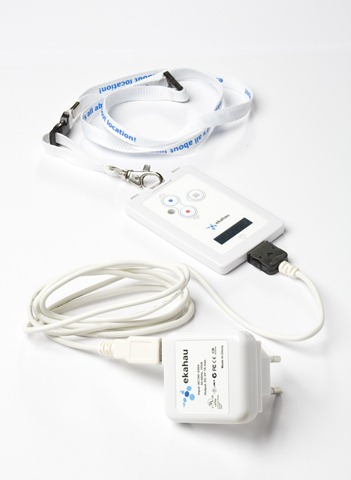
Ekahau Wi-Fi Pager Tag panic button

Bluetooth 4.1 now becoming a connection path for newer wearable emergency-alert devices

HID Global

HID Global Helps Hospitals Keep Doctors, Nurses and Staff Safe from Workplace Violence with New IoT-Based Duress Badge (Press Release)

Product Page with Healthcare use case (PDF)

My Comments

A key use case for Internet-of-Everything technology are wearable devices that have an emergency-signalling function. In the workplace, they are intended to be used by lone workers to signal for help from a security team in an emergency situation, with use cases being focused towards situations where they are at risk of being attacked. In the home, the primary use case is for elderly or disabled people who need to summon help, but it may also be applied to people at risk of falling victim to family violence or similar situations.

They are also being integrated in indoor-navigation technology so it is feasible to quickly locate the person who is at risk and provide help to them. There was a device offered by Ekahau that worked on multiple-access-point Wi-Fi networks and used the access points as a location means.

But HID Global have taken a different path with devices pitched to this use case. Here, their new Bluevision BEEKs Duress Badge Beacon, which is in a staff-badge form, is based on the same Bluetooth Smart 4.1 Low Energy technology as Bluetooth beacons. This device can also be integrated with building-access-control systems at the card level. Pressing the back of the badge can allow them to seek help from security who would know where they are in pre-defined areas thanks to the beacon-based technology.

It could be feasible to implement this technology with the badges as peripherals for smartphones, answering the needs of mobile workers for example. In this case, the device takes advantage of the phone linking to either a Wi-Fi LAN or a mobile broadband network.

As far as the home network is concerned, the Bluevision BEEKs badge would have to work with Wi-Fi to Bluetooth bridge devices. This could be a function that could be asked of with smart speakers or home AV that supports Wi-Fi (or Ethernet) and Bluetooth functionality, especially if the device is about working with peripherals including remote controls. But there could be the imperative to have Bluetooth 4.1 or 5 technology within Wi-Fi access points that are part of a distributed Wi-Fi system, typically to court IoT use cases.

This could lead to wearable emergency-call devices like this one that are pitched to workplace use being pitched towards home use especially with “ageing at home”  which would be the main use case.

I also see the possibility of this kind of emergency-call functionality being integrated within smartwatches and other wearables, whether the wearable uses a Bluetooth link to the smartphone or has its own mobile-broadband connection. This can easily be delivered in a software form for platform-based wearables like watchOS (Apple Watch) or WearOS (Android Wear) or Fitbit Versa.

Here, it may encourage the user to have this kind of functionality always available without needing to wear other items, encouraging you to wear it more. Also having emergency / duress call functionality in a smartwatch or similar wearable allows you to signal for help without doing something obvious, something that may be of importance in a highly-charged situation.

A call-for-help program has been developed for Microsoft Band

Article

Microsoft Band App Provides Discreet Reporting For Domestic Violence  | SuperSite For Windows

Previous coverage on this topic

Doncare has launched a mobile-phone app to help people in domestic-violence situations

From the horse’s mouth

Band Aid

Home Page

My Comments

Previously, I had given some space to an iOS mobile-platform app written in conjunction with Doncare Community Services in Doncaster to provide domestic-violence survivors access to the necessary information. This app provide the one-stop information shop functionality but could be quickly deleted from a mobile device if the user is in danger of ending up in trouble for seeking help, which can happen in an abusive relationship.

For those of you who are based in the UK, this has recently become a cause celebre thanks to it being woven in to BBC’s “The Archers” radio serial which highlighted an abusive relationship that was taking place in to one of its storylines.

But another project has been finished where a wearable is used as a tool for summoning help in these situations.  This is in the form of “Band Aid” which is an app that works with the Microsoft Band to detect when the wearer is under undue stress and invite them to have the paired smartphone call the national emergency-services number or a user-determined help number like a trusted friend or domestic-violence helpline. The user can override the software to bypass stress-sensing during exercise or similar situations.

There is further development taking place with this software such as working alongside support and refuge centres for domestic and relationship violence sufferers. There is also some work taking place with “social listening” and machine-learning to identify the behaviour of one who is under threat.

The “Band Aid” project has been developed as part of the “HackForHer” hackathon which is a programming challenge for software solutions that can help and enable women. Here, these kind of hackathons can flesh out ways that technology can help particular user groups in particular situations.

Personally, I would like to see this program be “taken further” to facilitate help in other situations like independent ageing (fall detection), living with chronic illnesses with a high fall risk like diabetes or epilepsy, or living with mental illnesses. The sensors in wearables like the Microsoft Band, the Apple Watch and the Android Wear smartwatches are able to monitor body signs along with the wearable’s gyroscope sensor being able to detect falls and similar situations while machine learning that is part of the software can identify what is normal compared to what is abnormal.

Here, it could detect if one is about to have a diabetic coma or epileptic seizure, or needs help because they as an old person fell. Having this kind of software work with the “Internet Of Everything” can work well for identifying risk-taking behaviour such as a person who is living alone not entering the kitchen to feed themselves or making sure that a person has taken medicines that they have to take.

What is happening is that it is the first time devices in the platform wearables or Internet-Of-Things class, along with the concept of machine learning, are being exploited as a personal-welfare device rather than as a wellness or “keep-fit” device. Here, this avoids the need to wear extra clutter to achieve a goal of ideal personal safety or health.

The connected wearable concept now embraces personal safety

Article

Can Wearable Tech Combat Sexual Assault? | FastCompany

From the horse’s mouth

Roar

Product Page

Video

Safelet

Product Page

Video

My Comments

The concept of connected wearables has primarily focused either on smartwatches that serve as an auxiliary control surface for your smartphone or fitness bands of the Jawbone or Fitbit ilk that measure how you are performing on your workout.

Now three companies have focused on personal safety as an application for the connected wearable. This is in the form of personal alarm or “panic-button” devices that interlink with your smartphone.

They are not your garden-variety attack alarm which was typically a white box which had a built-in battery-operated alarm with a loud piezo sounder that you activated by pressing a button or pulling a cord. Rather they communicate by Bluetooth with a special app on your iOS or Android smartphone to contact a predefined list of contacts if you press a panic button on the wearable. This is in addition to the ROAR Athena having their own alarm and flashing light.

These devices place emphasis on elegant style that underscores the value women place on aesthetics and designed to be pieces of jewellery that they can wear. The Safelet is styled to look like a silver bracelet while the ROAR Athena is styled like an attractive brooch that can be attached to one’s clothing.

The ROAR Athena also works with a Web-based intelligence database about those areas that are safe and those that aren’t. Here, people can identify and report areas that are potential troublespots as far as personal safety is concerned like streets that are poorly lit or known troublemaker hangouts.

It’s early days yet but I would like to see these device able to integrate with related applications like workplace personal-safety systems or home security so that they can “map” to these systems when one is in their scope.

What I see of this is the concept of wearable technology and platform-based computing encouraging innovation for the common good.

Android Wear gains more functionality

Articles

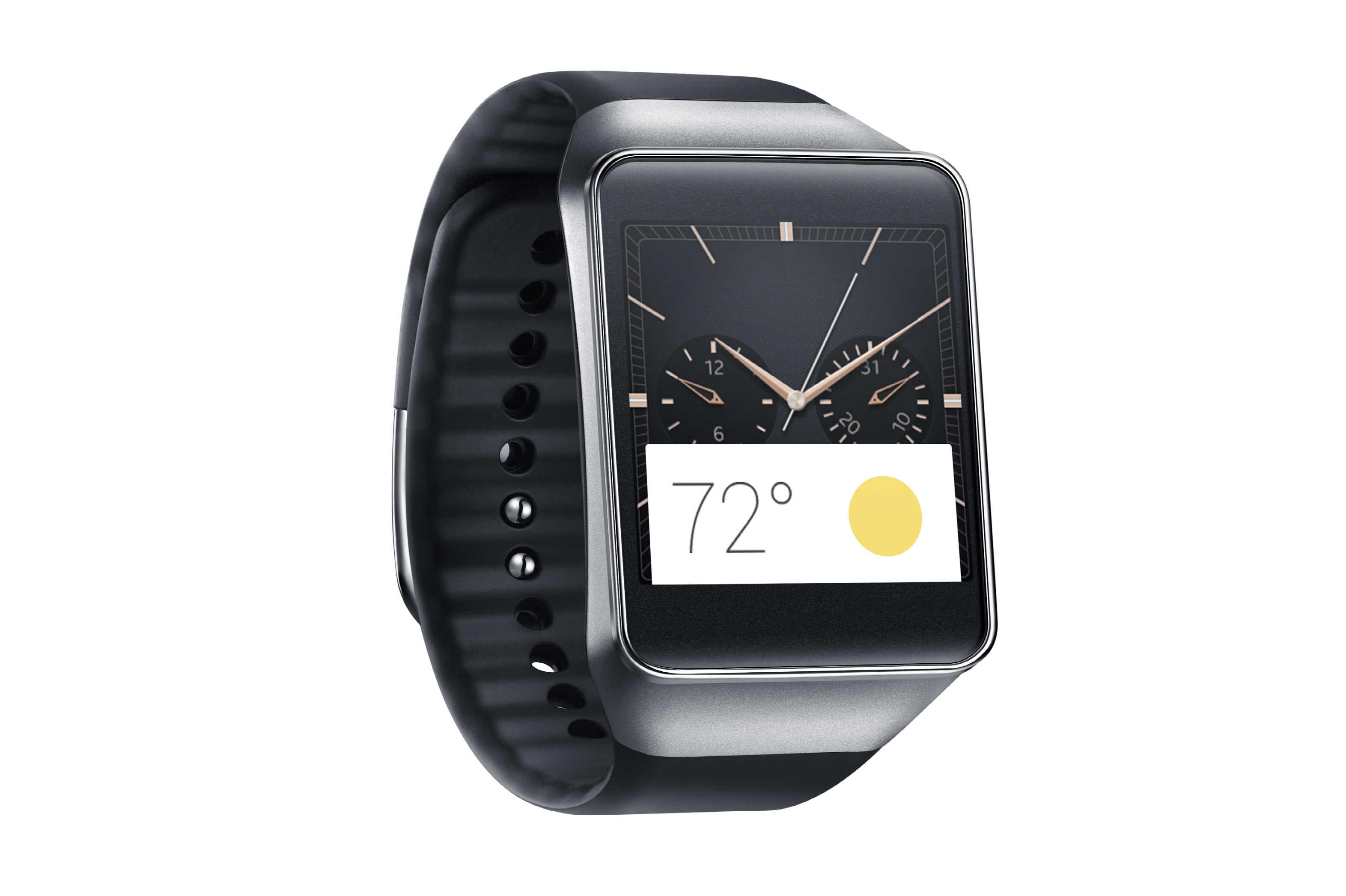
Samsung Gear Live Black Android Wear smartwatch press image courtesy of Samsung

The next iteration of Android Wear adds Wi-Fi to the smartwatch platform

Android Wear gains Wi-Fi, wrist gestures, and always-on apps | SmarterWatching

Android Wear getting big update with Wi-Fi, always-on apps, and more  | Android Authority

From the horse’s mouth

Google Android

Android Wear: wear what you want, get what you need  (Blog Post)

My Comments

A new version of the Google Android Wear wearables pllatform is being rolled out in the coming weeks which will acquire some major functionality improvements. There is talk of having this version rolled out in the coming weeks for most Android Wear devices and an increased likelihood of it appearing in newer watches.

One will be the ability to support an always-on screen with always-on apps like a traditional watch. Here, the apps can show a high-contrast power-efficient display rather than going blank when the the smartwatch isn’t being interacted with so you are able to glance at them for data.

This also ties in with different ways to gain access to other information on your Android Wear smartwatch. Firstly, you can flick your wrist to switch between cards on the display rather than brushing the watch’s face to change app cards. Similarly you can touch the screen in certain ways to show the apps you have or your contacts on your smartwatch.

As we become more addicted to using emoticons and emoji, we can hand-draw the emoticons on the watch face to show up the ones we want in our messages.

But, as far as connectivity is concerned, the new version of Android Wear has support for Wi-FI wireless networking. This is implemented in a way where you don’t even need to have your phone or smartwatch on the same logical network as each other and you can even gain access to your somartphone from your watch even if it is on a mobile-broadband connection. This could encourage smartwatch manufacturers and silicon designers to design Wi-Fi chipsets that consume very little battery power in order to obtain this functionality.

The question I have about this feature is how it will cope with public-access wireless hotspots especially where most will implement the Web-based authentication and provisioning process. Personally, I would like to see “out-of-box” support for Wi-Fi Passpoint technology with this new version of Android Wear to facilitate seamless authentication on suitable networks.

Personally, I see the new version of Android Wear as a sign that Google is putting faith in the idea of integrating Wi-Fi in to smartwatches and other wearables along with simplifying the operation of these devices.

TAG Heuer announces an Android Wear dress smartwatch

Articles

TAG Heuer and Intel announce Swiss Smartwatch for 2015 | Smarterwatching

Watch Out Apple Watch, There’s a Swiss-Made Android Wear Watch Coming | Gizmodo

From the horse’s mouth

Intel

Press Release

TAG Heuer

Press Release

Video Press Announcement

My Comments

Most smartwatches that were being released were pitched as “everyday wear” watches or sports watches which were something you wouldn’t really choose to wear if your goal was to impress someone special. That is unless they were someone who was impressed by the concept of the smartwatch and what it can do.

But when Apple put forward their Apple Watch, they put forward a few premium models that would go alongside or replace that Rolex Presidential as a status-symbol dress watch. Here, they set the cat amongst the pigeons when it came to providing a smartwatch of the calibre that you would wear in the Member’s Stand at Flemington during the Spring Racing Carnival (Melbourne Cup) or you, as the father of the bride, would have on your wrist as you walk the bride down the aisle at the start of the wedding.

TAG Heuer, along with Intel and Google, have worked on an Android Wear smartwatch that uses technology from the microelectronics name. Here, the idea is to create one of these watches that is pitched to the luxury-watch market rather than keeping Android Wear and the smartwatch scene for so-called “all-purpose” or “sports-class” wearables.

As well, TAG Heuer are even pushing to allow the qualification of a Swiss watch to expand to smartwatches that integrate electronics from other countries like Intel’s silicon but still have the watch assembled in Switzerland and have decorative and electromechanical parts coming from there. It can also be a good chance for Intel to investigate the idea of using Switzerland as a hub for activities associated with manufacturing, research and development for wearable technology.

What I see of this is the fact that companies are stepping forward to sell smartwatches fit for wearing at that exclusive club or in the boardroom of that Fortune 500 company in America. It also means that the smartwatch market can become like the traditional watch market with watches that suit different price ranges and different dress senses.

Consumer Electronics Show 2015–Part 2

Previously, in Part 1, I covered the trends that are affecting personal computing which encompases laptops / notebooks, tablets including the “2-in-1” convertible or detachable units, and the smartphones.

As I continue coverage of the trends shown at this year’s Consumer Electronics Show, I am highlighting what is being highlighted when we think of the connected world and the Internet Of Things. This is where devices we have on ourselves or use in the home, or the cars we drive, connect to each other and the Internet to acquire a range of impressive capabilites.

Wearable technology

There is an increasing number of smartwatches and other wearables being launched at this year’s Consumer Electronics Show. These are based on the Android Wear platform along with Tizen and other proprietary wearable platforms. It is although Apple has their smartwatch close to launch as part of their iOS ecosystem. A question that often came to mind is whether the smartwatch is to be seen as a bridge device between your smartphone and other wearable devices.

Sony raised the bar for Android Wear by integrating a GPS in to the metal-look variant of their Smartwatch 3 Android Wear watch. It may be seen as a way to provide standalone navigation and distance measurement for this watch or to serve as a secondary GPS sensor for your smartphone.

LG had headed towards smartwatches by putting forward one that is to run WebOS. This is part of having their devices run the descendent of the Palm operating system which HP refashioned as WebOS.

Lenovo had jumped on the wearable bandwagon by offering the Vibe lineup of wearable products. At the moment, the first of these products is the Vibe Band which is a water-resistant fitness band that uses an e-ink display, allowing for this device to run longer on a single battery charge.

There have been a few weirdly wonderful wearable devices like some snowboard bindings that help you plough through the powder better. These bindings measure the forces you apply on your feet as you slide down the slope and an app uses your smartphone’s GPS and these sensors to assess your snowboarding prowess. There is the Misfit LED which works alongside the Misfit range of activity trackers to show how you are performing. But the most weird device is the Emiota Belty which is a men’s dress belt that records your waistline and reports it back to your smartphone.

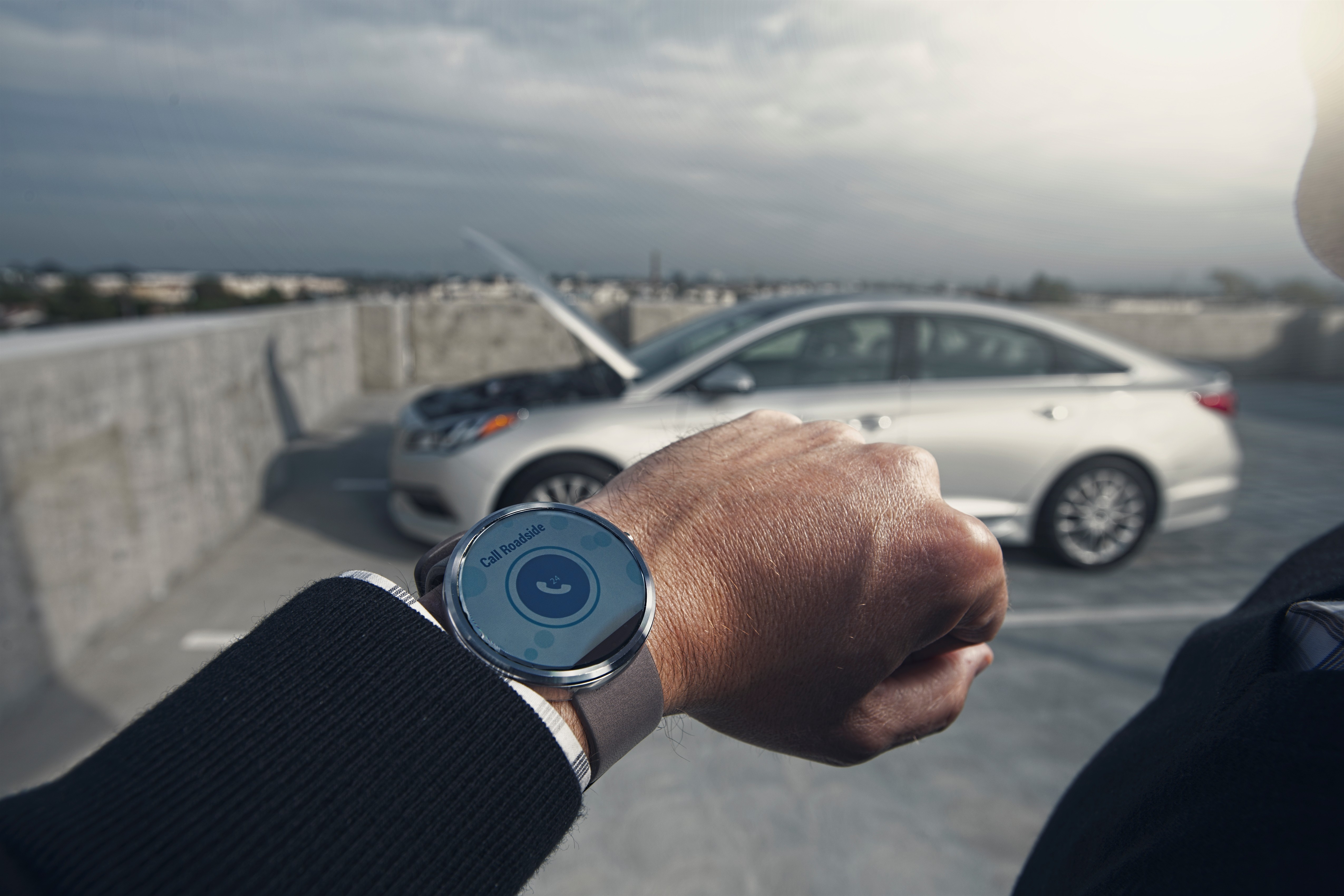
Hyundai Blue Link smartwatch app press photo courtesy of Hyundai America

Hyundai Blue Link smartwatch app – your smartwatch is your keyfob

The smartwatch is becoming part of the “connected car” ecosystem thanks to some vehicle builders. As I will mention below, BMW uses the smartwatch as a key fob that is to be part of their self-parking setup that they are working on. But Hyundai has presented the Blue Link app for the Apple Watch and Android Wear platforms so you can use this watch like the typical button-equipped car keyfob. Think of this as being to touch your watch to start your Veloster from afar, open its doors or have that coupe flash its headlights so you can locate it in the car park.

The connected car

Speaking of which, the car that links to the home network and the Internet is being given a fair bit of airtime by most of the vehicle manufacturers. This is promoted by Mercedes-Benz who were exhibiting a capsule-style self-driving concept car, Ford demonstrating their idea of a self-driving car, and other vehicle builders talking about the self-driving idea for cars.

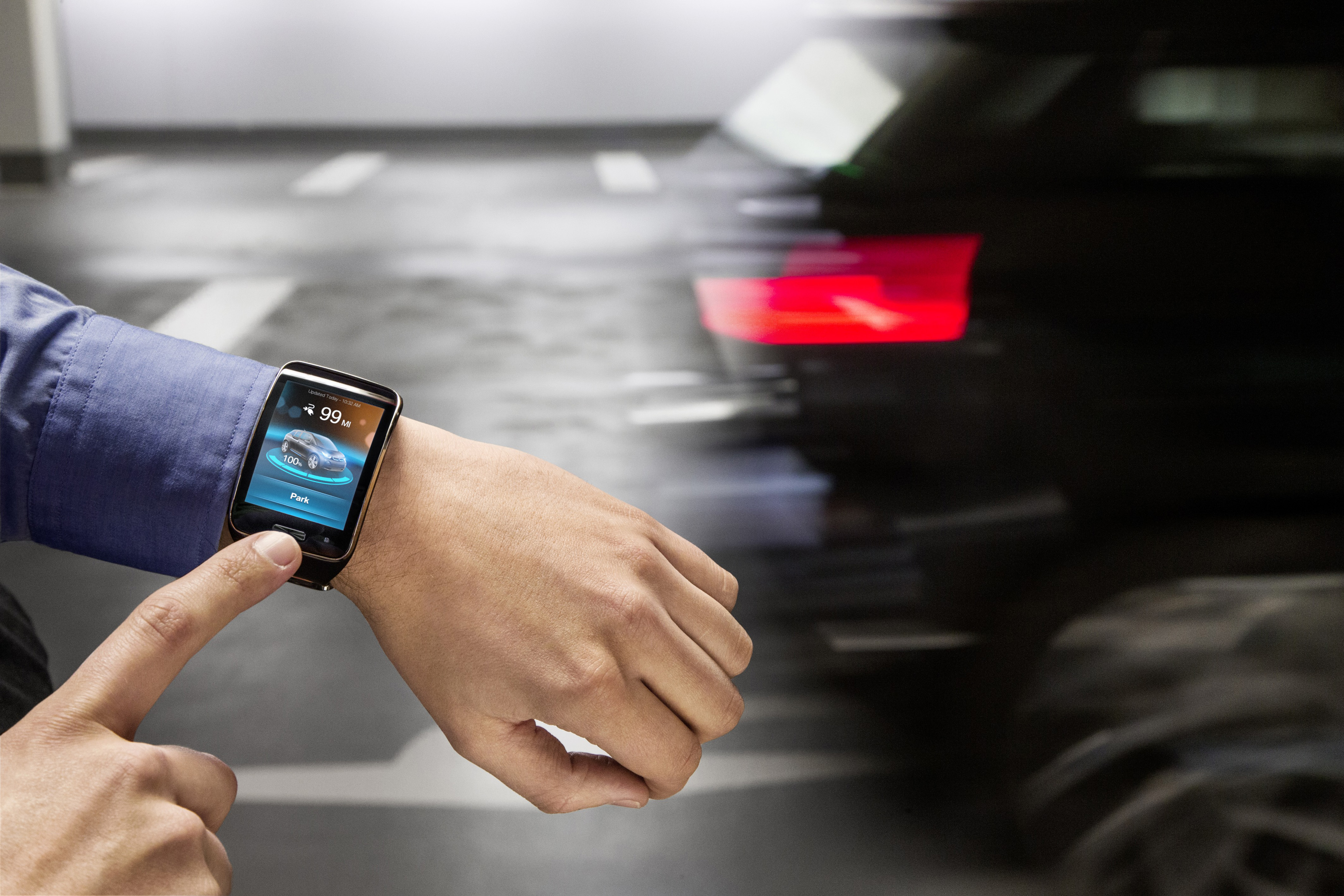
Smartwatch control surface for car press picture courtesy of BMW America

Smartwatch as control element of BMW car

BMW took the modest path by demonstrating a self-parking variant of the i3 car. This smartwatch-controlled car looks for a parking spot by itself and implements a map-based setup where it has pre-loaded maps of car parks. This is very like a valet-parking setup but without the car-park attendant parking your car for you in that car park.

BMW self-parking car press picture courtesy of BMW America

It parks itself

Ford launched the third iteration of their Sync connected-car technology which will implement a touchscreen as part of its control surface and use of Blackberry QNX technology. This is intended to be part of what will be offered for the 2016 model-year vehicles.

Even the chipset manufacturers have dipped their finger in the connected-car scene with NVIDIA announcing that they are purposing Tegra and similar processors to power the connected-car dashboards.

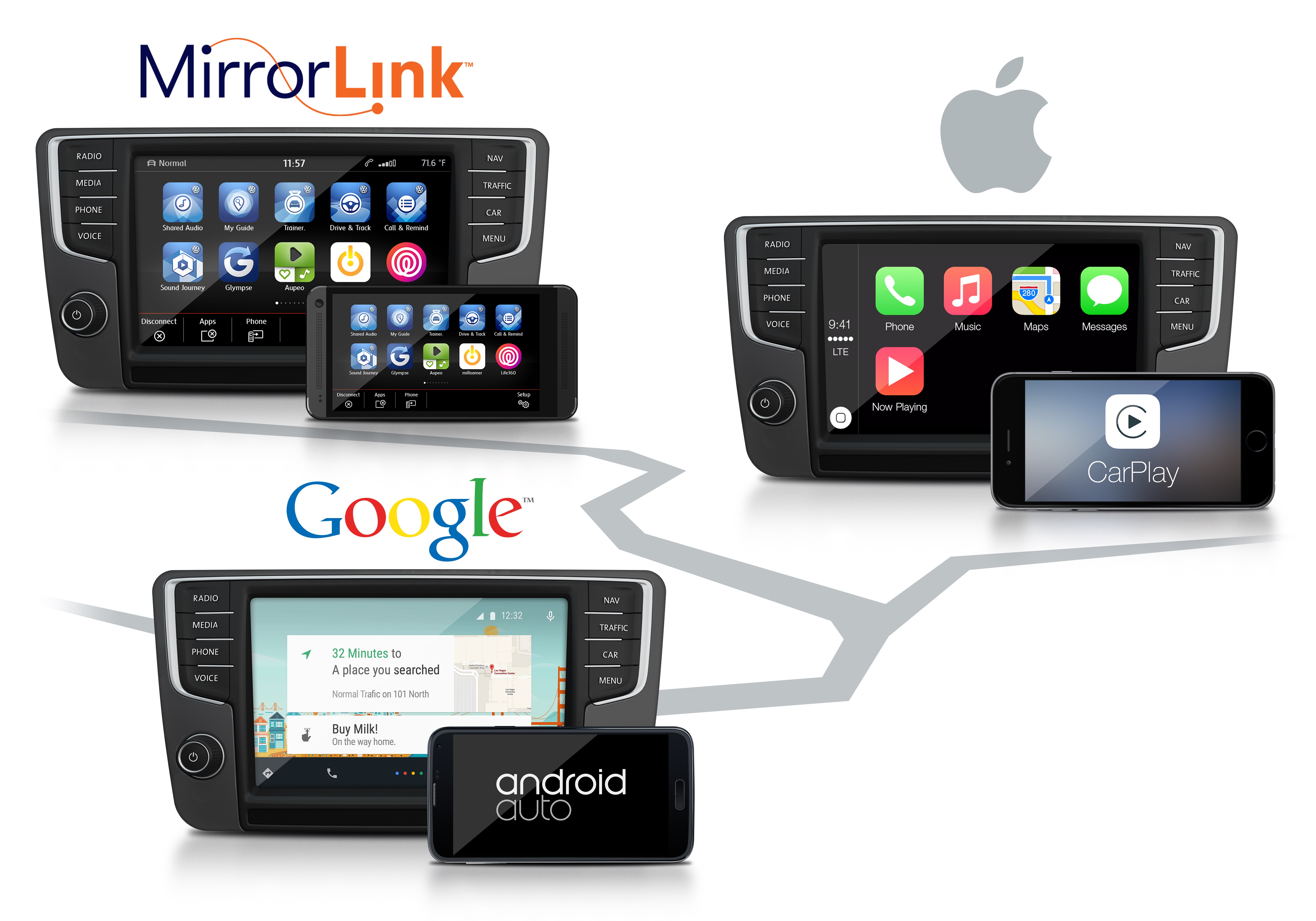
Next generation VW infotainment setup press picture courtesy of VW America

Next generation VW infotainment works with Apple Play, Android Auto or MirrorLink

As for infotainment, there is a trend to support both Android Auto and Apple CarPlay in both factory-supply and aftermarket infotainment setups. This means that the advanced abilities of these systems can work in a system-native manner to both iPhone and Android users. The Volkswagen Group had put this forward in the latest factory-spec infotainment setups and were even involved in the level-playing-field idea of MirrorLink even when it was put forward.

Parrot have premiered the RNB6 which is a 2-DIN media unit which runs both Android Auto and Apple CarPlay but has 55 watts per channel output for all of the channels along with more options. Pioneer have launched this function in to some of their newer 2-DIN car radios. These efforts satisfy realities that exist in countries like Australia where people are likely to keep their cars on the road for a very long time.

Internet Of Everything

The Internet Of Everything has become a key feature of this show with companies either showcasing new gadgets that link with the Internet or showcasing improvements for existing gadgets with this kind of ability. Most of these devices are still pitched as a “system” of devices, cloud services and apps supplied by the same vendor that are dependent on each other and there haven’t been any devices that are pitched in a manner where they can work with other manufacturers’ devices, services or apps.

There have been some devices that are targeted at your baby’s health such as a smart baby bottle holder measures food intake. Another of these is a Bluetooth-connected infant thermometer that uses your smartphone as its display with this being developed by the company that is behind Moto’s smart temporary tattoo.

Parrot has launched houseplant water monitors that link to the home network. One is the H2O which is a sensor and automated watering system that you can use in-situ with your plants and the other is the Parrot Pot to put your plant into.

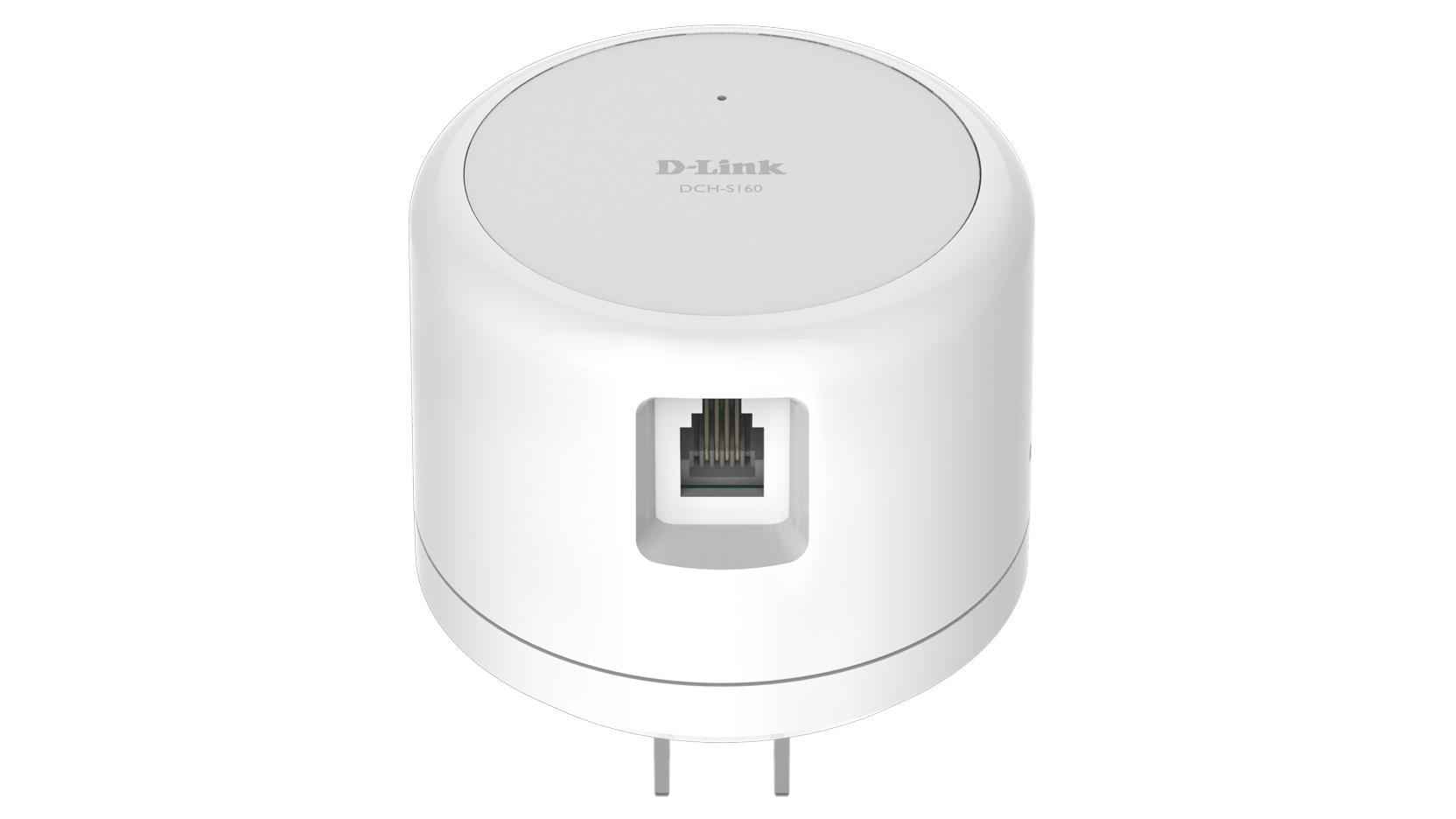
D-Link DCH-S160 myDLink water sensor press picture courtesy of D-Link America

D-Link myDLink water detector alerts you via your smartphone if your washing machine leaks or the bath overflows

BeeWi and D-Link are snapping at Belkin’s WeMo home-automation technology with their own technology. The latter have packaged it in as their myDLink package which is dependent on a home-automation hub even for the Wi-Fi devices. They have Z-Wave motion sensors and door magnet/reed sensors which interlink with this hub and also work as ambient temperature sensors.

They also have a Wi-Fi-based water-leak sensor that uses a wire to sense leaking water from that dribbling washing machine along with a Wi-Fi siren unit and smart plugs. This system is managed on your mobile device through an app that D-Link supplies. TRENDNet are running a HomePlug-based home automation package that links with their TPL-406E HomePlug AV500 adaptor and the THA-102PL appliance controller with both devices using the AC wiring to communicate to each other. They also have the THA-103AC which is a Wi-Fi-managed appliance controller that works as an AC750 Wi-Fi range extender and both these systems are controlled using an app for the iOS and Android platforms.

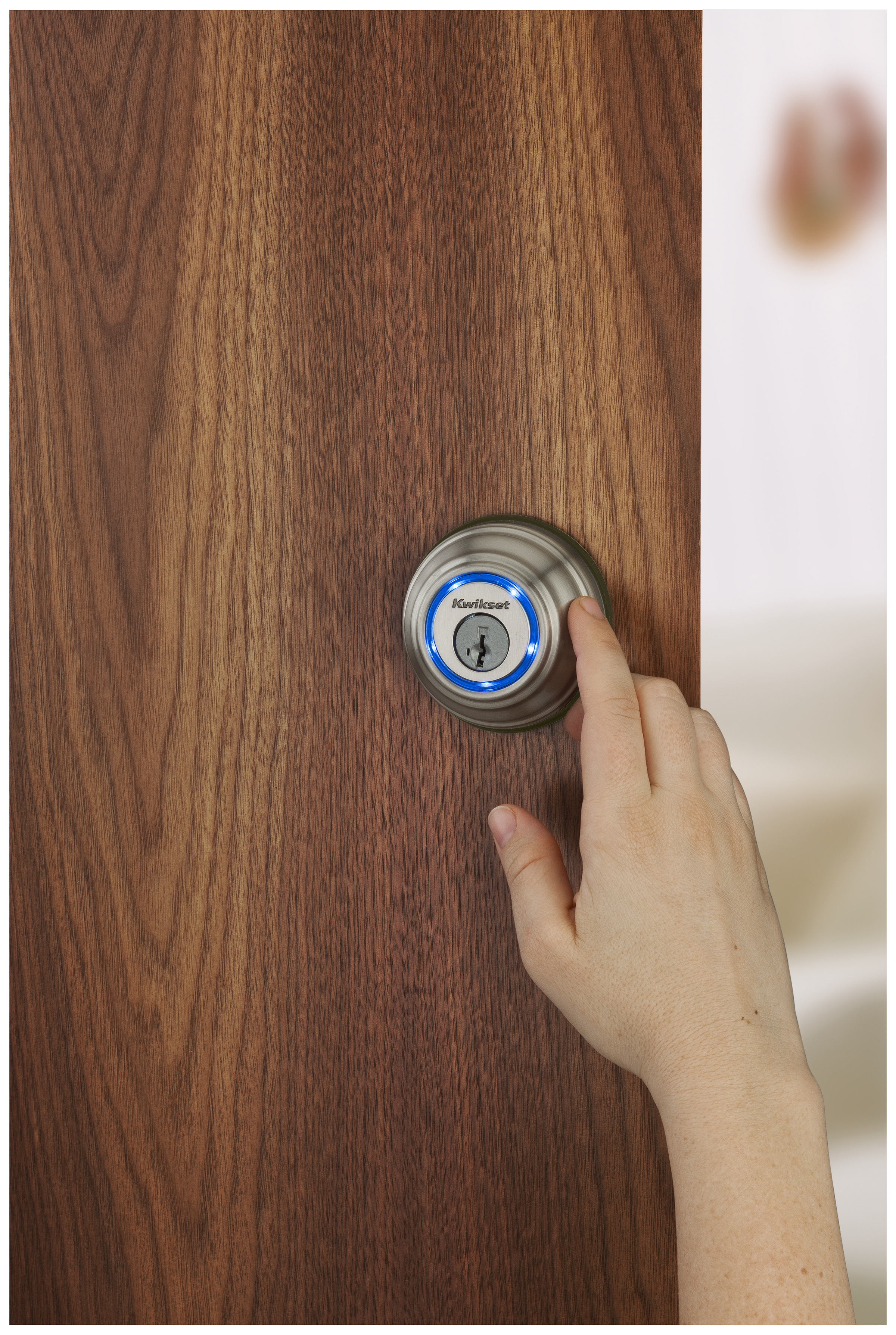
Kwikset Kevo cylindrical deadbolt in use - Kwikset press image

Kwikset Kevo Plus extends online monitoring and control to this Kwikset Kevo smart deadbolt

Two companies that are known for the common door lock have fielded some “smart-lock” products, but they are focused around the “bore-through” cylindrical deadbolt form-factor that is common on many American front doors. Firstly, Kwikset have provided an IP bridge and online service for their Kevo smart deadbolt. Here, the Bluetooth-IP bridge and online service allows for such functions as “remote unlock” for situations like when you have a friend or relative who doesn’t have a smartphone with the Kwikset Kevo app to come to your house to do some caretaking or fetch something for you or to have a repair technician visit your house to perform some repair works on an appliance while you are at work. The service is offered as an annually-billed service. August who offer a similar Bluetooth-driven smart lock have come up this path using their own IP bridge to provide “remote check / remote release” functionality.

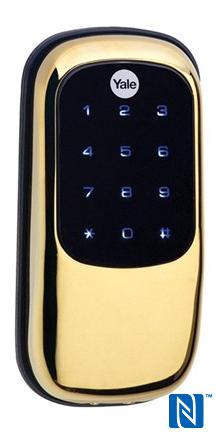
Yale Real Living NFC-capable smart deadbolt - outside view (brass finish) press picture courtesy of Yale America

Yale Real Living smart deadbolt – enter using the code on the keypad or touch your open-frame smartphone to it

As well, Yale have launched an NFC-based smart lock that works to the Seos NFC-based smart locking platform that ASSA Abloy, the “Electrolux” of the door-hardware industry, have established. This is one that comes in the same form factor as the Kwikset Kevo but doesn’t use a key outside as a failover method. As well, it requires you to touch your NFC-capable Android smartphone to the outside keypad to unlock your door.

Tagg are working with Alarm.com to implement a tracker system for your pets. This will be based around a collar attachment that implements GPS to locate and uses 3G as a “report-back” mechanism.

The CES tech fair has given Roost some boost with their “smart battery” for existing smoke alarms. Here, they were able to show and demonstrate this battery in action as a monitoring device for the common smoke alarm.

Appliances

Unlike the Internationaler Funkaustellung where a home-appliance trade show had been merged with this consumer-electronics trade show, there has become an increasing de-facto presence of home appliances at the Consumer Electronics Show. This has been brought on by some of the Korean and Japanese consumer-electronics manufacturers wanting to show their appliances at this trade show along with appliances, both major-class “white-goods” and countertop “small-goods” and is demonstrating that home appliances are increasingly becoming part of the “Internet Of Things”.

Dacor used this show to premiere their Android-controlled ovens which used an “app-cessory” approach to controlling these ovens. This also goes alongside the use of a touchscreen as a local control surface and is representative of what is to come about for premium “white goods”.

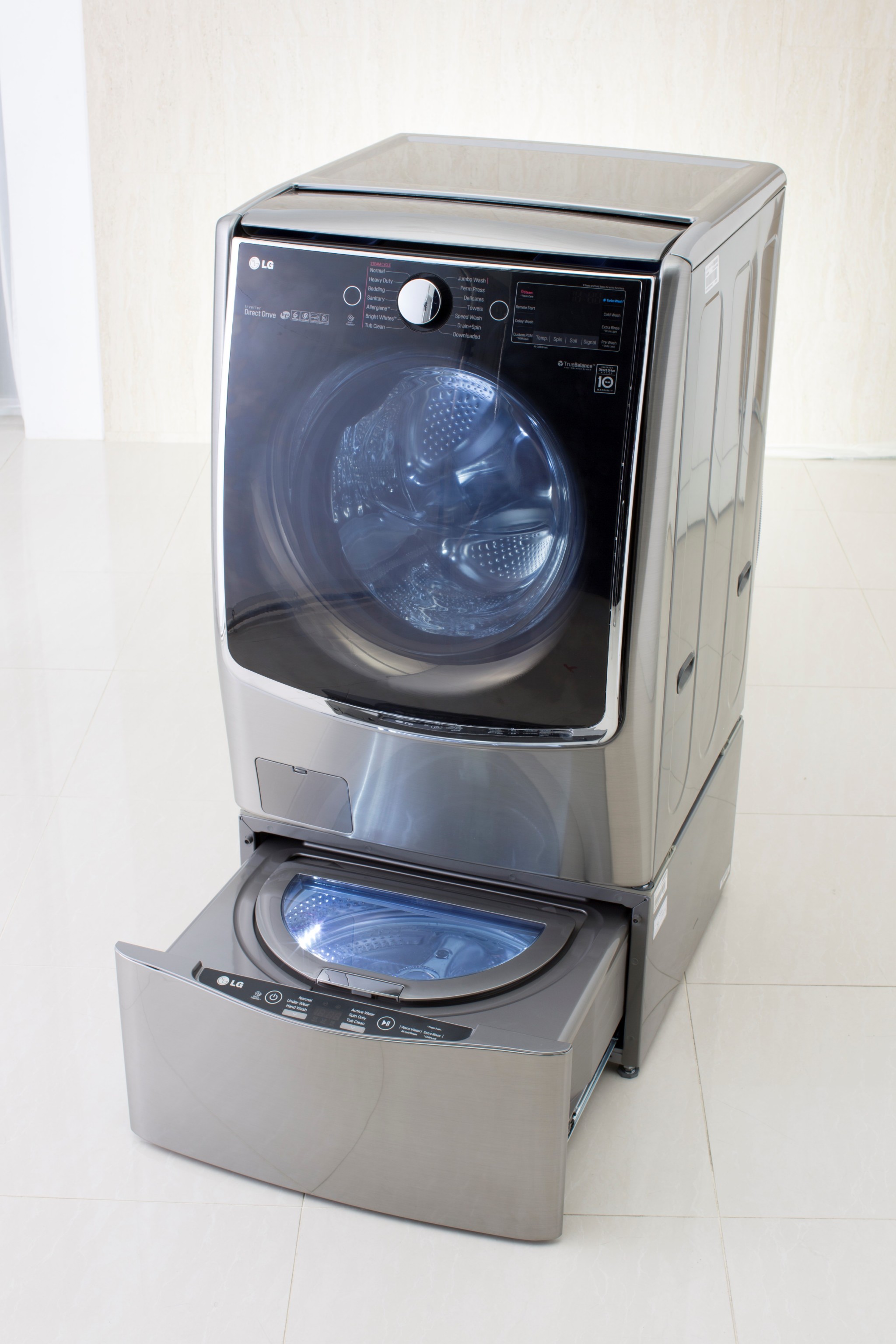
LG Twin Wash System press photo courtesy of LG America

LG Twin Wash System – two washing machines in one

LG have fielded some interesting “white goods” at this show. The show-stopper for them in this department was the Twin Wash “drawer-load” second washing machine which is installed underneath their recent front-load washing machines. It works in a manner where you can wash a small load while the main machine is processing another load. The example often cited was for ladies to wash a change of delicate underwear on the delicate-wash cycle while the main machine runs a lot of normal-cycle washing. Another example from my experience would be to turn around two white shirts by themselves while a large quantity of coloured clothes is being washed, with everything being ready to dry at the same time. They also fielded a “double door-in-door” fridge for easier organisation of food in the fridge. Samsung were fielding some interesting appliances like a dual-cavity oven and their “ActiveWash’ washing machine which implements an advanced wash action.

The coffee making scene closes in to the home network more with Smarter running a “bean-to-cup” espresso machine for the US market which uses Wi-Fi technology to facilitate its app-cessory control surface.

In the next part of this series, I will be looking at what the Consumer Electronics Show 2015 is representing for entertainment in the connected home.

Internationaler Funkaustellung 2014–Part 2

IFA LogoThe second part of this series about the Internationaler Funkaustellung 2014 covers the consumer AV, wearable technology and home automation technologies that were being premiered at this trade fair.

Consumer AV

TVs with advanced display tech
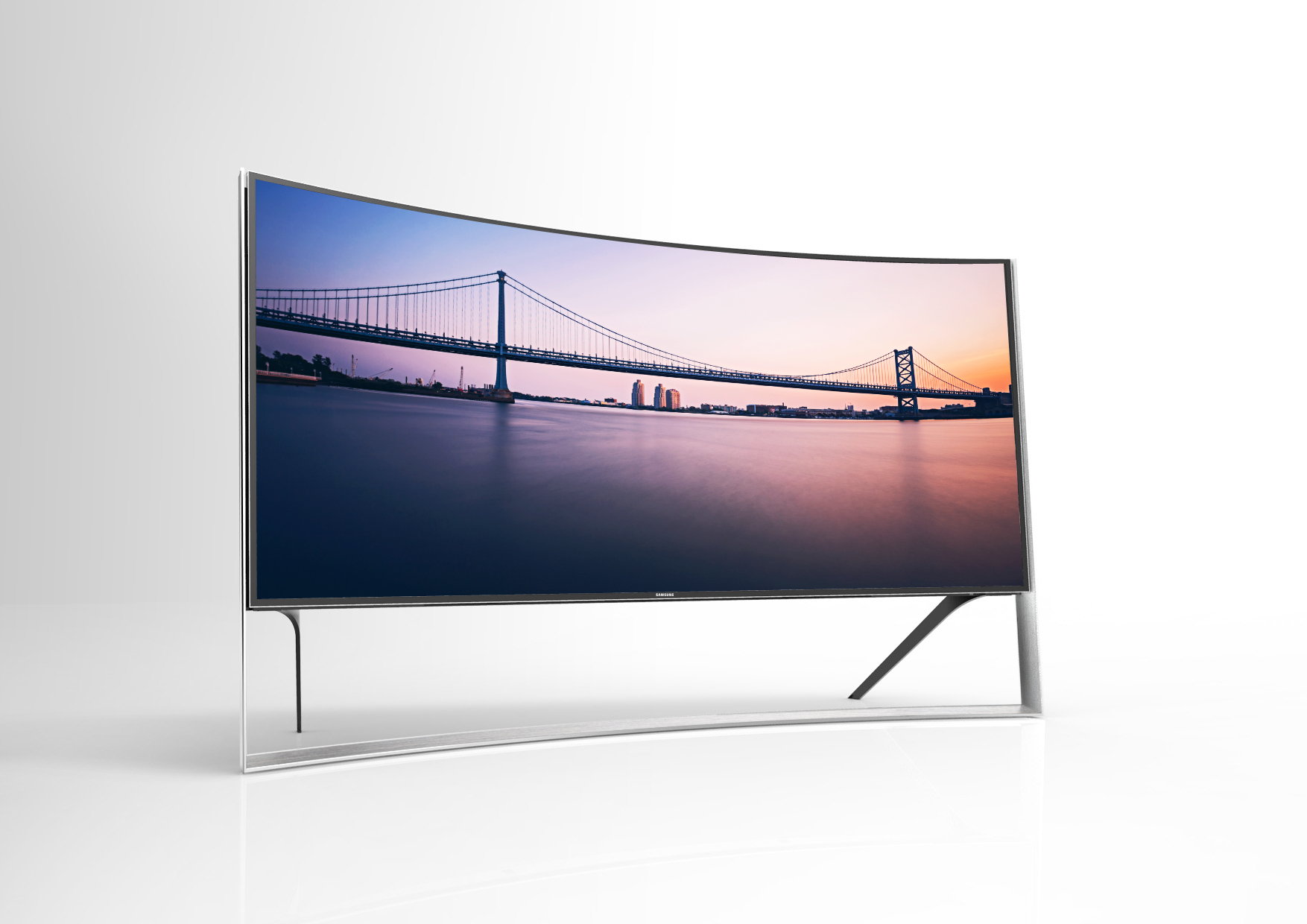
Samsung Curved OLED 4K UHDTV press picture courtesy of Samsung

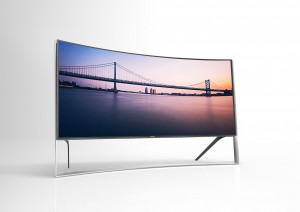
Samsung curved OLED 4K UHDTV

There has been consistent activity with TVs that implement advanced display technology. Primarily, this has come about with more of the 4K ultra-high-definition TV sets with some of the sets with this resolution crossing the EUR€1000 price barrier for the European market and sets having a minimum screen size of 42” while most come in at the popular screen sizes of 55” and 65”.

An increasing number of manufacturers are pushing through with curved screens and the 21:9 screen aspect ratio which mimics the experience one would gain from watching a movie at the cinema. Alongside this is for the Korean names to field TVs that use OLED technology on their screens.

Firstly, Samsung have fielded a 40” UHDTV alongside the UE105S9W which is their 105” 21:9 curved screen model. They also are exploiting the “Connect One” connection box which is a way of assuring future-proof design for their sets. This has been integrated in sets based on the HU8590 chassis but is ready-to-add for their other current-issue 4K UHD TV designs. They were also fielding the curved TVs based on the 8000 Series design

LG have run with a range of curved OLED 4K Ultra HDTVs with a screen size of 65” or 75”. These implement a 4-colour OLED display technology which uses a white element in each pixel to show the white part of the picture rather than “constructing” the white part.
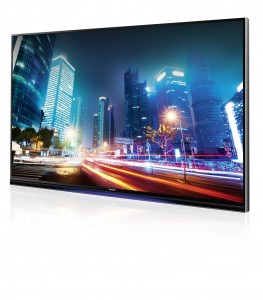
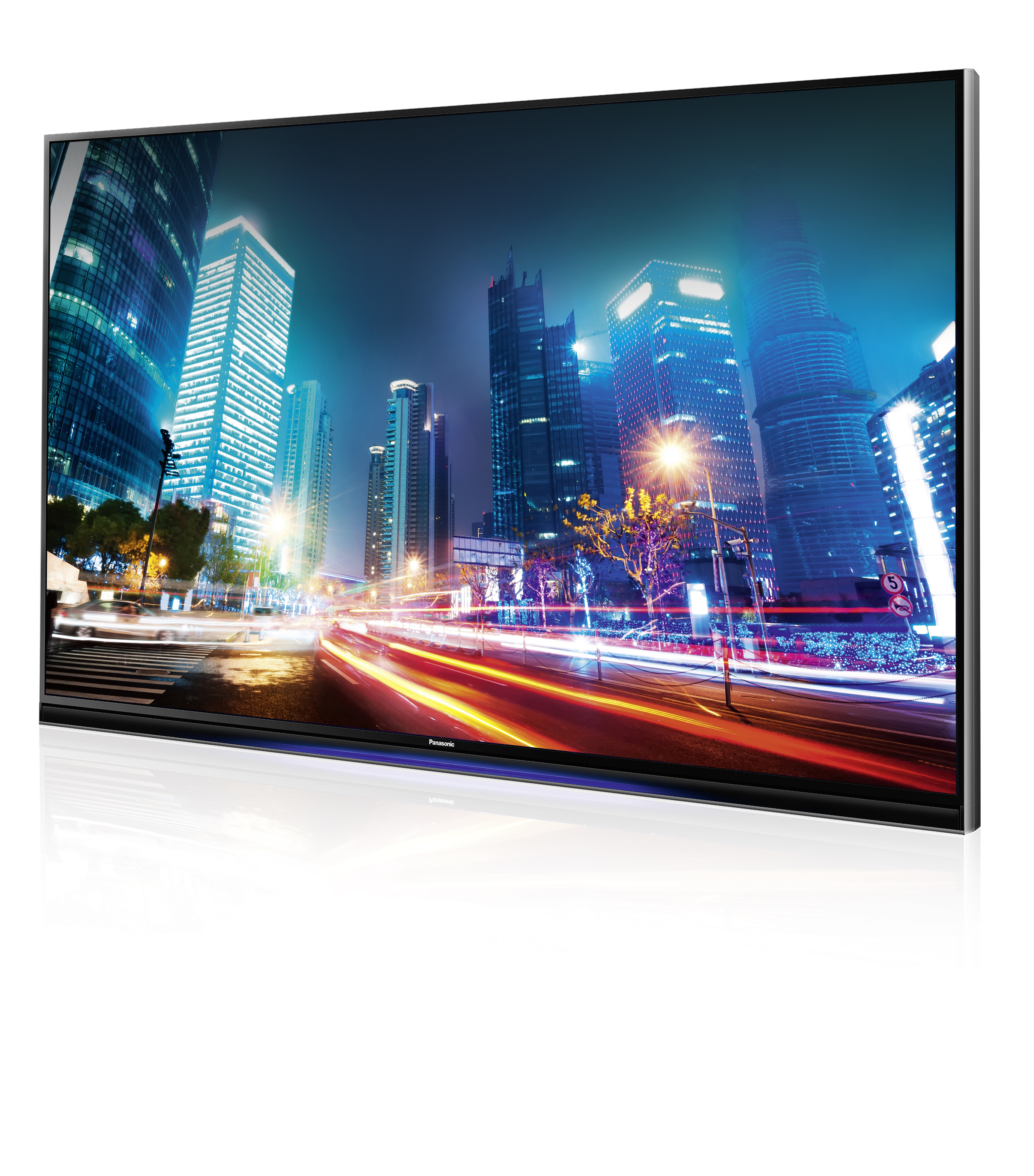
Panasonic VIERA AX900 Series 4K UHDTV press picture courtesy of Panasonic

Panasonic VIERA AX900 Series 4K UHDTV

Panasonic are working on the improved picture quality and are running the AX630 4K TV design with a 40” model at EUR€899, a 48” model at EUR€1199 and a 55” model at EUR€1499. The sets based on this design have the HDMI 2.0 connectivity and H.265 / HEVC decoding but eschew the local-dimming improvement. They also run an extra-cost 4K TV design as the AX900 which comes in the 55” and 65” screen sizes and tick the boxes for HDMI 2.0 connectivity, H.265 support and local dimming.

Sony were pushing the quality angle with improvement on sound and extended dynamic range for the pictures, along with the Edge LED illumination feature. Their key model they were running was the S90 series which is a curved 4K UHDTV that sports the Triluminos technology and is available as either 65” or 75”.

Loewe, with TVs that are best described in German as “eine Superdeutschefernseher” have it that all newly-released models will be equipped with 4K resolution save for a 32” model. These will appear in 3 new ranges and have HDMI 2.0 connectivity and support for H.265 HEVC codecs. Thiey will implement DVB tuners that work with signals regular aerial (antenna), a satellite dish or cable-TV infrastructure and implement quick channel-change.

Thomson, the European TV name, are running with the Series Z 4K sets which are available as the Z7 (65” and 42” screens) and the Z8 (85”, 55” and 49” screens) variants. These have support also for HBBTV and Miracast mobile-phone playback.

Haier were showing the H6600 4K UHDTV range (42” to 65” screen sizes) with the 42” for less than EUR€600 and the 65” for EUR€1300 for 65”. These implement a simple design and use HDMI 1.4 connectivity. There is also the M7000 4K UHDTV range with screen sizes of 40”, 48”, and 55”. This design runs Android 4.2.2 and has access to Google Play, support for an add-in Webcam, and comes with a QWERTY remote control,

They will also implement an upgrade box for their TVs just like what Samsung did with their Evolution Box, satisfying a reality with the way TVs are used.

A Hong-Kong-based TV firm called Chanhong have shown curved OLED 4K TVs which are driven by Android technology. These are available at 55” for EUR€1700 or as 65” and 79” sizes. There is also a fiat-screen design known as the C5500 with the 42” selling for EUR€500 and the 65” selling for EUR€800. This one also implements Android technology and uses HDMI 2.0 connectivity.
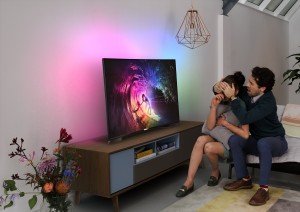
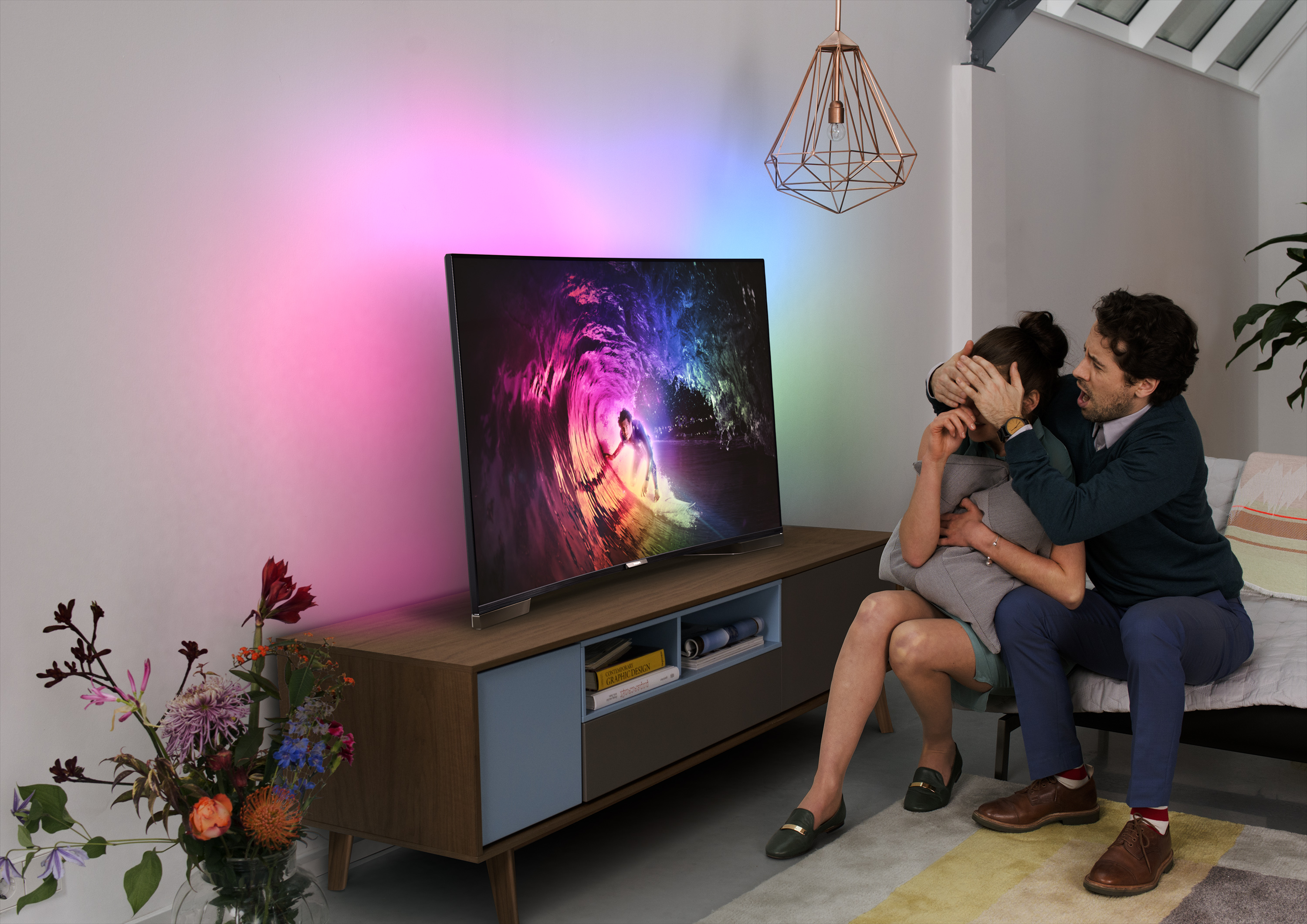
Philips Android-driven curved 4K UHDTV press image courtesy of Philips

Philips Android-driven curved 4K UHDTV

Philips even ran for the title of the first Android-driven curved TV, which comes in with a screen size of 55” at EUR€2390. This also implements the Ambilight feature that Philips is known for to augment the viewing experience.

Smart TV and multiscreen

The Smart TV experience is being driven on the HBBTV broadcast-Internet interactive TV technology that is being premiered in Europe and, to some extent, Australia.

Technisat were working on the “Watchmii” personal-TV experience which I would suspect is a content-recommendation service.

Platform-based “smart-TV” technologies that don’t require the manufacturers to “reinvent the wheel” were coming to light. Here, Philips was implementing Android-based Smart TVs that have access to the apps on the Google Play Store while LG was pushing the idea of implementing WebOS on their Smart TV designs.

Qualcomm are intending to use the AllJoyn and AlSeen standards to make TVs operate with smartphones and tablets.

Audio technology

Wireless speakers and multiroom audio
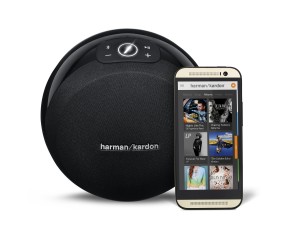
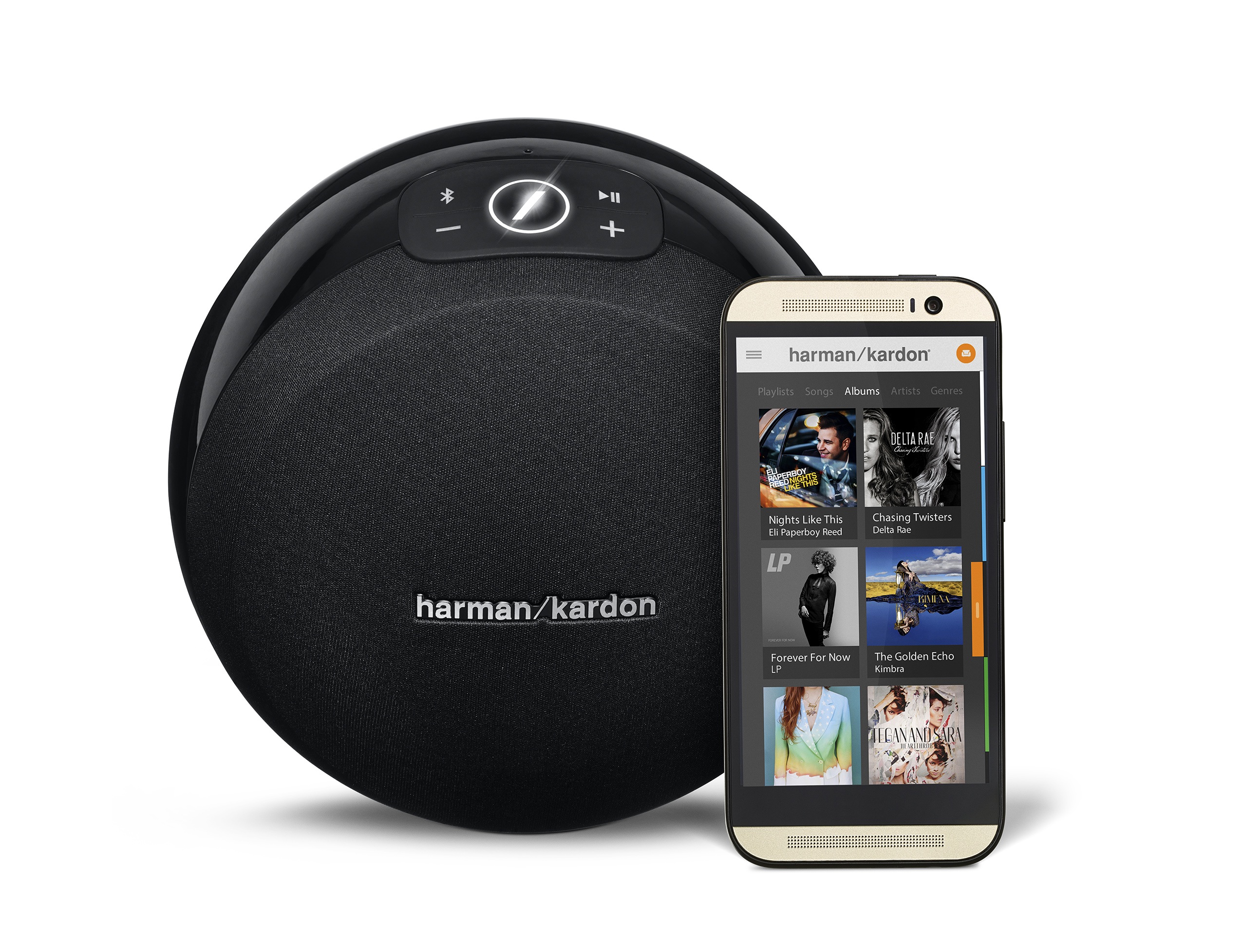
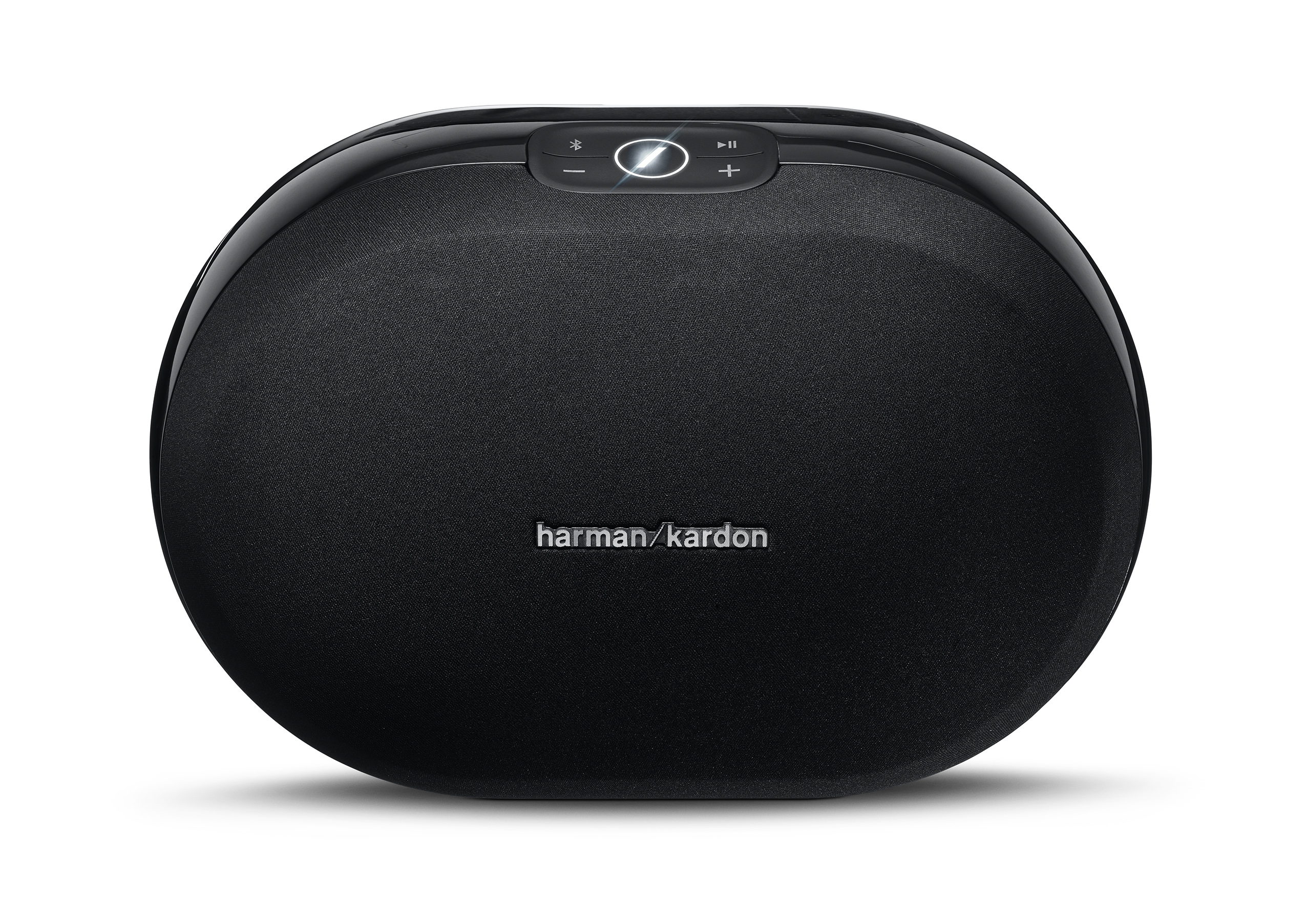
Harman-Kardon Omni 10 Black multiroom speaker and smartphone press picture courtesy of Harman International

Harman-Kardon Omni 10 multiroom wireless speaker

The wireless speakers, some of which work with your Wi-Fi home network or as a Bluetooth speaker for your smartphone, are showing up as a very distinct product category. The innovation that is taking place here is the ability to wirelessly link two or more speakers together either to cover more sound space during a party or to provide a stereo pair with the proper desireable stereo separation. Some of the multi-room setups even make it feasible to adjust the volume for that speaker locally to your taste. These systems are being seen as an attempt to encroach on Sonos’s territory when it comes to multi-room multi-speaker wireless audio setups.
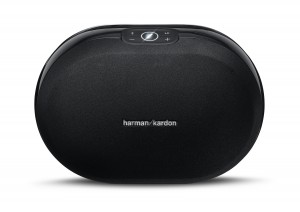
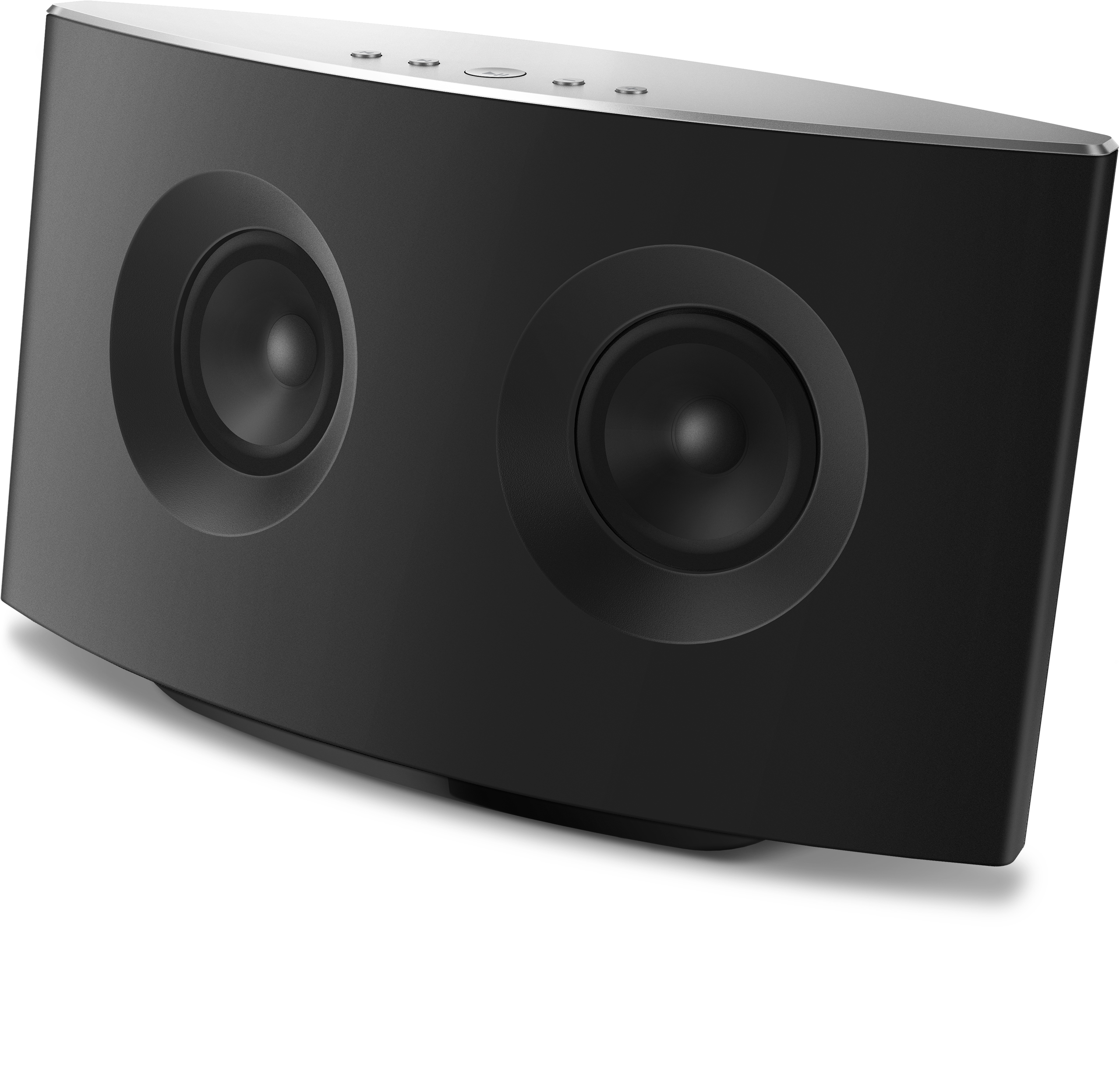
Harman-Kardon Omni 20 Black multiroom speaker press picture courtesy of Harman International

Harman-Kardon Omni 20 multiroom speaker

Another trend is that an increasing number of the portable Bluetooth speakers that have rechargeable battery packs in them are even able to work as external battery packs for mobile devices. This can help with them providing that bit extra of power on the go.

Yamaha have advanced a 3-piece elegant Bluetooth speaker and a single-piece Bluetooth speaker that creates a lightshow when playing music.
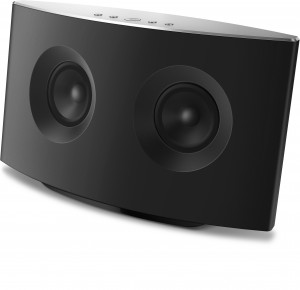
Philips SW-500M Spotify multiroom speaker press image courtesy of Philips

Philips SW-500M Spotify multiroom speaker

MTX, known for their beefy car-audio technology have advanced some wireless speakers along with some Street Audio earphones. One of these is the iT1 which implements a 6-amplifier, 6-speaker and 2 bass speaker arrangement and uses Wi-Fi with DLNA and AirPlay connectivity. They also fielded the iWa225 which is an in-wall Bluetooth amplifier for use with build-in speakers and supports multiroom mode using 2 of the same amplifiers.

Braven are cottoning on to the multiroom idea with their Vibe system. As well, LG are answering Sonos with their Music Flow multi-room audio setup.

Lenco are running with a multiroom setup which users single-piece speakers that are controlled by an iOS or Android app and are able to work with master-grade audio files. This system, which connects to an existing Wi-Fi small network segment, consists of the Playlink 6 speaker, Playlink 4 small portable speaker, and the Connect box which connects to an existing sound system.

Pure have refreshed their Jongo speaker lineup as the X Series speakers and implemented the Imagination Technologies Caskeid multiroom transmission technology. This technology works with multiroom setups or separate stereo speakers using the existing Wi-Fi network and the “Bluetooth Caskeid” variant provides a single Bluetooth A2DP on-ramp to the Caskeid system. These speakers are now available in white, grey or black finishes.

Harman-Kardon have fielded the Omni multi-room setup which is based around the Omni 10 or Omni 20 wireless speakers. These work on the existing Wi-Fi home network, have an Bluetooth A2DP on-ramp function and also work with 96khz 24-bit master-grade audio streams. A brace of these speakers can be set up to be a stereo pair or five of them can be set up to provide 5-channel surround sound. Harman-Kardon also offer the Esquire portable Bluetooth speaker that is so “stylish yet cool” like the well-dressed gentleman. This unit, which also can be an external battery pack, wouldn’t look out of place in his elegant briefcase.

Philips are running a Wi-Fi-based multiroom speaker setup that, again, works with the existing Wi-Fi home network but also has Spotify Connect functionality. There is the SW750 which has one tweeter and one woofer per channel and the SW700 which has one full-range speaker per channel. They also have fielded a Bluetooth speaker that doesn’t have trouble with multiple Bluetooth source devices. This one uses 1 tweeter and 1 woofer per channel along with the use of passive radiators to improve the sound.

Headphones and earphones
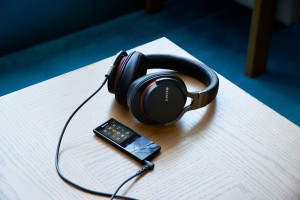
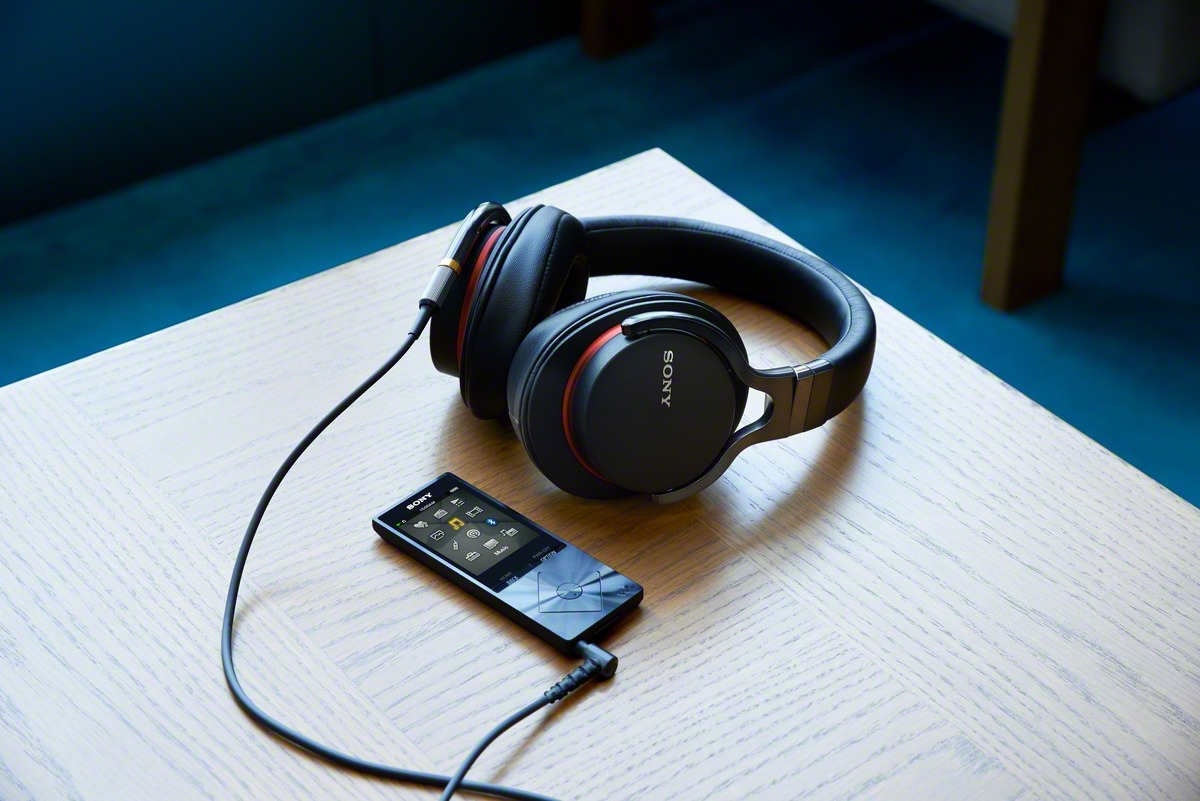
Sony MDR-1ADAC digital headphones with integrated DAC press image courtesy of Sony

Sony MDR-1ADAC digital headphones with integrated DAC

The headphone scene is being advanced here with improved headphone and earphone designs as we listen to more audio content on the road. It is becoming more acceptable for one to were large “cans” when they are on the street or in public transport because of better sound quality. This is being advanced with some headphones even implementing multi-transducer “two-way” designs.

For example, Sony have put forward the MDR-1ADAC headphones with integrated digital-analogue converter along with the PHA-3AC portable DAC for use with existing “cans”. These work with some of the new Sony Walkman digital audio players, the new XPeria smartphones, Apple iOS devices or regular computers as digital headphones and yield master-grade digital audio reproduction.

As well, Sennheiser are fielding headphones that are intended to “snap at” what Beats offers for ultra-cool bass-rich headphones.

Other Hi-Fi sound trends
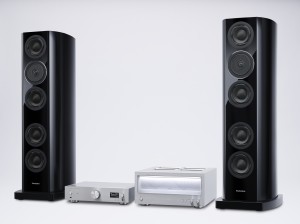
Technics R1 Reference hi-fi system press picture courtesy of Panasonic

Technics R1 hi-fi system symbolising the return of the hi-fi brand

One main trend that is being pushed in hi-fi design is inherent support for “master-grade”  file-based digital audio with FLAC and similar files that are worked at 24 bits and greater than 96 kHz sampling rates.

Panasonic have resurrected the Technics hi-fi brand to the consumer market through them fielding two music systems. One of these is the R1 Reference System which is based around the SE-R1 stereo power amplifier with those classic power-level meters and XLR connectors that aren’t out of place on a PA system. This beast of an amplifier drives the SB-R1 3-way floor-standing speakers and is fed by the SU-R1 network audio player / control amplifier that uses separate power-supply paths for the analogue and digital signal paths.
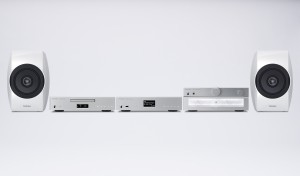

Technics C700 hi-fi system with SL-C700 CD player press picture courtesy of Panasonic

Technics C700 hi-fi system with CD player

They also had shown the C700 music system which consists of a stereo amplifier, network audio player and 2-way bookshelf speakers. Users can also buy an optional SL-C700 CD player which has highly-strung digital-analogue conversion circuitry. These systems have been designed by Michiko Ogawa who is a Japanese jazz pianist and sound engineer and is part of the new “Rediscover Music” ethos that Technics is bringing back.

Pioneer X-HM82 3-piece network-capable music system press picture courtesy of Pioneer

Pioneer X-HM82 3-piece music system with XC-HM82 network-capable CD receiver

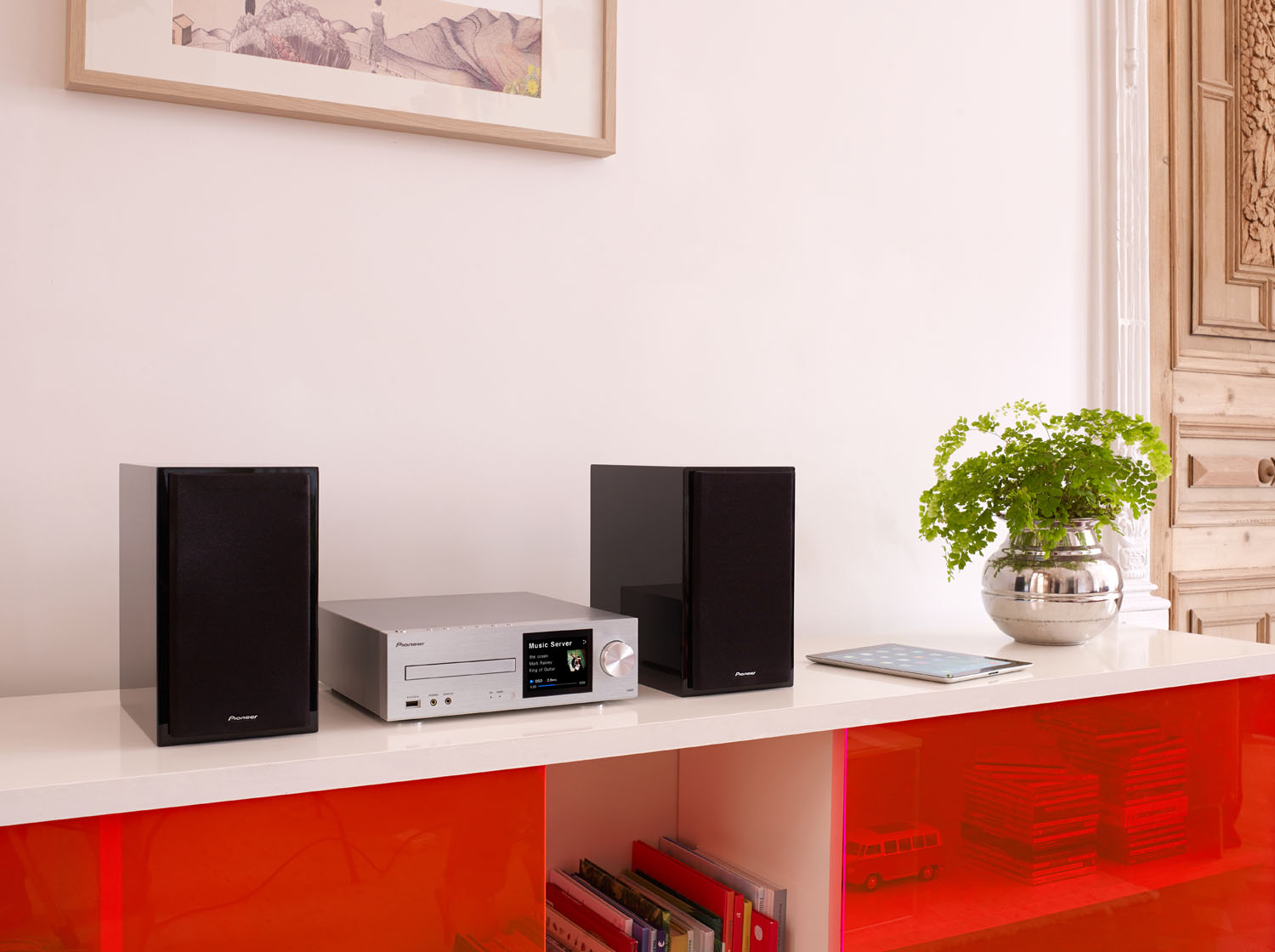
Pioneer have brought in hi-fi network media players that can work high-resolution files and yield high-quality sound from regular music files and streams. They also brought in the XC-HM82 network CD receiver which plays CDs, broadcast and Internet radio, Spotify, music from your home network via either DLNA or AirPlay as well as Bluetooth A2DP music from your mobile devices. This is available as a variant with support for DAB+ digital broadcast radio and is available either as a standalone component for use with speakers that you like or as one of two music systems. The first one – the X-HM82 comes with 2-way bookshelf speakers equipped with a 12cm glass-fibre woofer and 25mm dome tweeter and finshed in that piano-black lacquer.  The second one comes with similar speakers that have a cheaper look and similar-sized drivers.
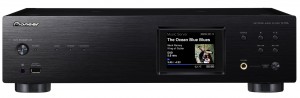
Pioneer N-70 network media player press picture courtesy of Pioneer

Pioneer N-70 network media player

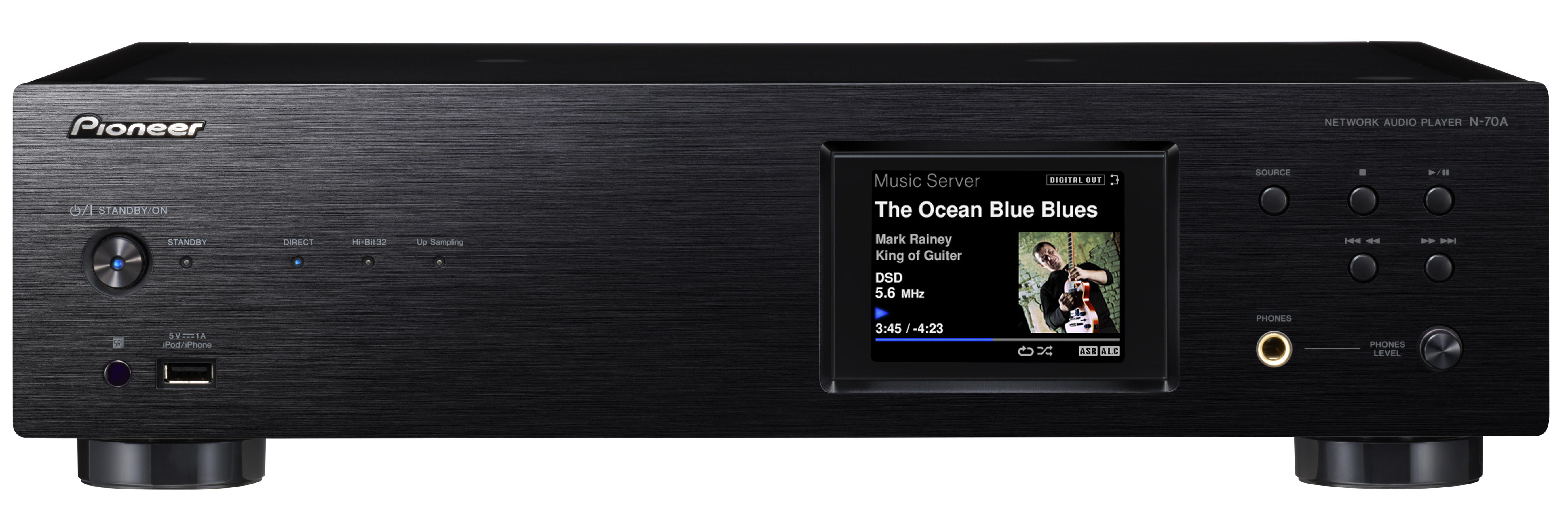
As well they have brought in a pair of DLNA-capable Blu-Ray players with Dolby Atmos support (BDP-LX88 and BDP-LX58) along with the SC-LX88 Atmos-capable AV receiver. The BDP-LX58 even comes with a pair of XLR balanced-audio connectors along with the RCA connectors as stereo-output options so this can tie in with PA systems or high-end audio amplifiers. Their Compact Components range of micro hi-fi systems has been refreshed and now comes with a network media player and a USB DAC. In addition to this, they also have released the N-70 network media player that has hi-fi credentials and pulls music from online music services or the home network’s NAS unit using DLNA.

Pioneer have also improved the Bluetooth functionality in their latest iterations of their Bluetooth-capable car audio equipment to support the reality of multiple-phone use. This is especially to cater for the “work phone and home phone” users.

Photography

The IFA consumer-electronics show in Berlin clashes with the subsequent Photokina photography show that is held in Cologne so I won’t go in to much detail here about the cameras.

A key trend is for more DSLR cameras and camcorders to be able to take video footage at 4K UHDTV resolution.

Another trend being pushed on to the European market is for some cameras to be able to upload or play via Wi-Fi. This provides for direct access to Dropbox, Facebook and co along with the ability to support a level of DLNA compatibility.

Of course, Canon and Nikon field new or refreshed iterations of their system cameras and DSLRs

Sony have brought the NEX series of cameras to Europe along with refreshed versions of their smartphone “lens-camera” devices. One of these even works with their E-mount interchangeable lenses.

Polaroid has made the IFA the chance to launch their Socialmatic “online” camera to the European market. This camera has the ability to work with a smartphone to upload pictures to the Social Web and a variant has been launched to maintain the same “look” as their iconic 1000 / One-Step series of SX-70 platform instant-picture cameras launched in the 1970s. This include an LCD screen that mimics the look of the original cameras’ viewfinder windows but shows iconic images like the smiley face.

Personal Tech

Wearables

The Northern Autumn (Fall) is intending to become the season for a battle between manufacturers to present the best smartwatch on the block.
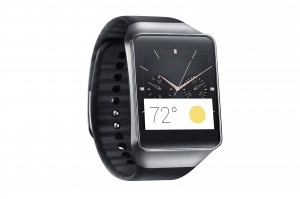
Samsung Gear Live Black Android Wear smartwatch press image courtesy of Samsung

Samsung Gear Live Android Wear smartwatch

Here, there is an increasing number of  smartwatches that are driven by Android Wear, some of which are round. As well, there is an increasing number of models that are priced to be affordable for most along with the hybrid smartwatches that have the traditional quartz movement that drives actual hands along with an extra control / display surface integrated in the face for smartphone integration. As well, Samsung is one of the first to introduce a standalone smartwatch that isn’t dependent on a smartphone for most of its functionality.
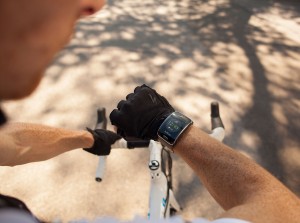
Samsung Gear S smartwatch (him on bike) press picture courtesy of Samsung

Samsung Gear S standalone smartwatch suitable for bike riding

This watch, known as the Gear S smartwatch, has the ability to work as a smartphone or can work alongside an existing smartphone. It is based on the Tizen operating system and implements 3G communication for the cellular link. As well, the Gear S uses Samsung’s iconic Super AMOLED display technology but the display is curved, effectively to “wrap with your wrist”.

Samsung Gear S smartwatch (her with smartphone) press picture courtesy of Samsung

The Gear S can look just as elegant – a sign of what is to be expected of smartwatches

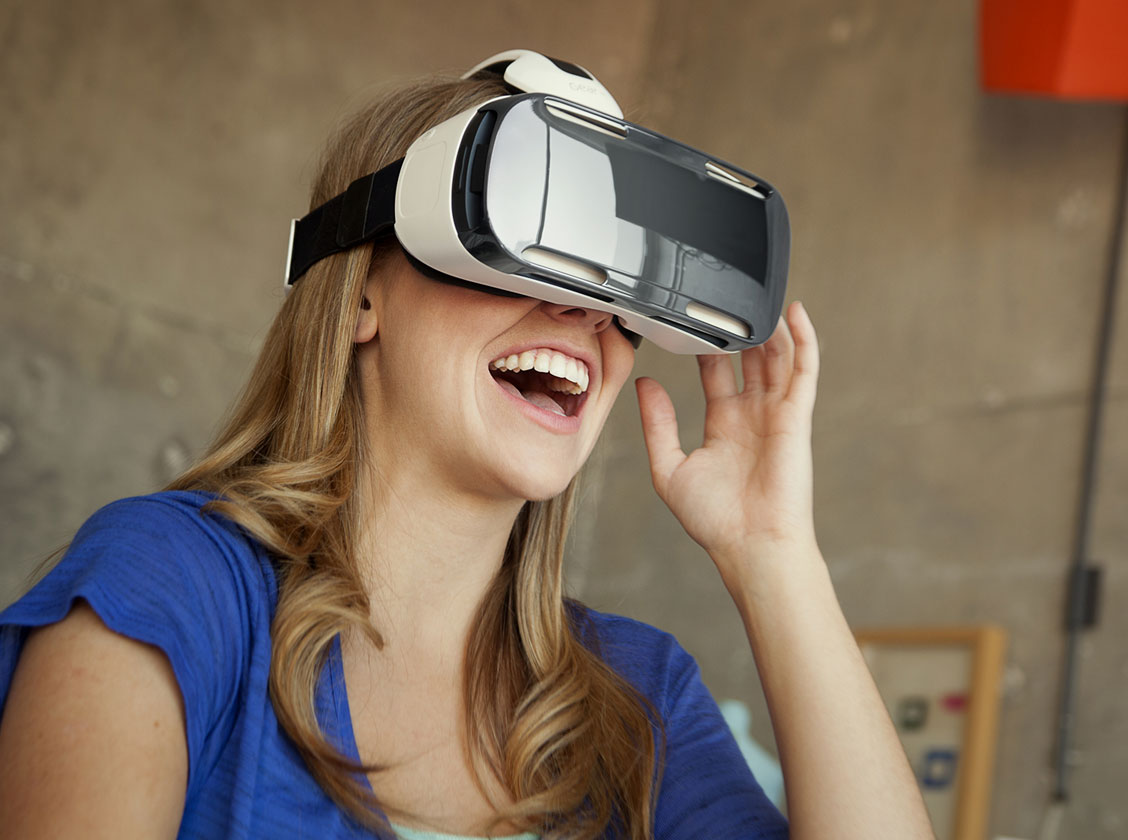
They also released the Gear Live watch which works on the Android Wear platform yet has the Super AMOLED display that Samsung is behind. As well, Samsung are snapping at Oculus Rift by issuing a pair of goggles known as the Galaxy VR.

LG are intending to launch an AMOLED-equipped successor to the Android Wear driven G Watch along with the G Watch R which is intended to sell in October. ASUS are running an Android Wear smartwatch which could be affordable for most with a price tag of EUR€170-200 along with the ZenWatch which is a customisable Android Wear smartwatch that oozes with style and is equipped with an AMOLED display.

Sony’s SmartWatch 3 is their third iteration of the Smartwatch range and is intended to be based on Android Wear. This is also to be run alongside the Smartband Talk which is a fitness band with hands-free telephony functionality for your smartphone along with a battery-saving e-ink screen.
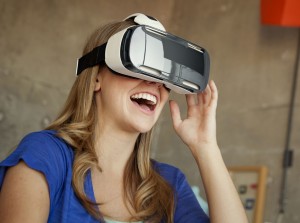
Samsung Gear VR goggles press picture courtesy of Samsung

Samsung Gear VR goggles to snap at the Oculus Rift goggles

The Cogito Classic smartwatch has the real moving hands to tell the current time but a display underneath the hands and on the clock face for notifications. This is part of the new breed of hybrid smartwatch (real hands that tell the time, display the shows messages or LED that indicates status, buttons or multi-function crown for controlling the smartphone. One question is whether these watches could set themselves from your smartphone and the time references that it has like the mobile towers. This includes adjusting themselves to daylight-saving time as it comes in to effect or adjusting themselves to the new time zone that you travel in to.

Home automation and security

There are a few key trends affecting home automation and security. One is having appliances link to your smartphone by Bluetooth Smart technology or your home network and work on the “app-cessory” model. This is where they gain functionality by you using a manufacturer-developed app that you draw down from your mobile platform’s app store, with this app being an enhanced display and control surface.

An example of this is the Oral B (Braun) Bluetooth-linked electric toothbrush that analyses your teeth-cleaning process and suggests better ways to do it.

A few “do-it-yourself” home-automation systems have come on the scene. One of these is the DigitalStrom home-automation system uses the AC wiring and  looks like Lego blocks. This is app-controlled and supports scene-driven or event-driven behavour and is easy to expand. Similarly, Devolo have put their foot in the door for home automation with an app-driven appliance module and contact sensor. Thomson are fielding the THOMBox which is another home-automation system that uses a computer, tablet or smartphone as the control surface.
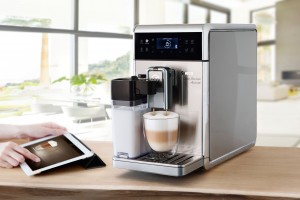
Saeco GranBaristo Avanti espresso machine press picture courtesy of Philips

Saeco GranBaristo Avanti automatic espresso machine represents the new direction of appliance user-interface design with mobile-device app-cessory control and high-resolution display

Another trend is for appliances to have an easy efficient safe hygienic design, One of these factors also includes major appliances and coffee machines being equipped with colour LCD graphic displays rather than a monochrome low-resolution LCD display or alphanumeric display. This has picked up from where an increasing number of multi-function printers are being equipped with colour LCD touchscreen displays. This is also augmented by the above-mentioned “app-cessory” enhanced control method where your smartphone or tablet serves as a control or display surface with access to extra functionality. In some cases, some of the conventional or microwave ovens have the ability to allow you to download recipes to them to manage the cooking process for that recipe.

For example, Bosch have established the Home Connect web-assisted platform for their appliances. For example, they have a fridge that lets you you see what is there by viewing your tablet while the door’s closed. This is achieved with two cameras that do the task of photographing what’s there after you close the door before the light turns off.

Similarly, Whirlpool / Bauknecht have designed a cooking hob that is an information dashboard for the connected home when it is not cooking food. This would show  remaining time for processes like oven cooking or dish / clothes washing cycles, along with recipes based on what’s in the fridge and information from social network feeds, etc.

Siemens even fielded the iQ700 appliance platform with a multifunction oven that has a “lift-up” control panel with storage behind. This is part of a similar “Home Connect” portal, and their dishwasher even supports assisted operation.

Dyson joins the robot vacuum party by offering a unit with a 360-degree-vision camera and the ability to locate itself based on where your furniture and other items are in the room. It also uses tank-style tracks to move between surface types along with Dyson’s well-known motor technology.

Philips have even worked on the Hue Beyond “tuneable” LED lighting system which is managed the “app-cessory” way but can be adjusted minutely.

Conclusion

This is showing how the IFA 2014 is reinforcing the concept of personal computing in the lifestyle space such as with watches, music systems and even appliances.

Two more interesting smartwatch designs are surfacing

HP and Casio are each premiering a smartwatch that, like Swatch’s and Tissot’s idea, are different from the pack. One of these is a something that would be kept as a dress watch to wear when you are going out while the other one can identify those tunes playing on the radio or background-music setup while you are out and about.

Articles

HP’s luxury dress smartwatch

Take a look at HP’s luxury smartwatch | Engadget

HP, Gilt and designer Michael Bastion teaming up for a smartwatch | Android Authority

From the horse’s mouth

Gilt

Press Release

Casio’s G-Watch that identifies music

Casio’s Next G-Watch Uses SoundHound To Discover New Music | Engadget

Casio’s Latest Bluetooth Watch Puts Song Recognition On Your Wrist | Gizmodo

My Comments

The first of the watches is a luxury fashionable dress watch that is engineered by HP but designed by Gilt along with the fashion designer, Michael Bastian. This men’s watch has a round 44mm stainless-steel case and swappable leather bands, taking with it the “stylish yet cool” interior designs associated with some of the recent luxury cars out there.

For functionality, this is meant to interlink with iOS and Android devices using a platform-specific device, this courting the luxury market’s penchant for preferring the Apple iPhones as their smartphone options. At the moment, this watch offers notification functionality for email, text and calls along with being a control surface for music playback and some other apps.

Personally I would see the HP watch’s emphasis on style rather than geekiness more about either the watch to wear when you are going to the Melbourne Club or wanting to take out someone whom you are really trying to impress.

The second of these watches is Casio’s latest G-Shock smartwatch. This has notification functionality through its LCD display which exists behind the traditional clock face and also acts as a control surface for your phone, especially with your music using a knob on the edge of the bezel. It would work alongside a Casio-supplied platform-specific app for your smartphone and maintains the rugged look of other G-Shock watches.

But it also works along with SoundHound and an internal microphone to identify the music that is playing. Once identified, the song details appear on the watch’s LCD display.

The Casio watch would be on a par with other Android Wear smartwatches but has a long battery life thus avoiding the need for you to charge it every night. It would look the part more as a utility watch for everyday activities.

At the moment, these watches along with the previously covered Swatch watches come across more as baseline “control and display surfaces” that link to your smartphone using Bluetooth 4.0 LE a.k.a. Bluetooth Smart. But they would require the use of different apps to provide the software connection. Personally, what Google, Apple and Microsoft should work on is a baseline wearable specification which allows different wearable devices offering baseline functionality to link to the phone without the need to run many extra apps. As well, the watches should at least support using the phone as a “reference clock” for setting the time and adjusting for different time zones and daylight-savings time.

What is happening is that there are smartwatches that place less emphasis on the “geek nature” and could expose this genre of product to most of us.

Swatch to bridge the Swiss watchmaking craft to the new connected wearable technology

Articles (German Language / Deutsche Sprache)

Swatch bringt seine eigene Smartwatch | PCTipp.ch

Swatch arbeitet an Fitnessuhr | Netzwoche.ch

My Comments

The Swiss aren’t far behind on the smart-watch bandwagon but are taking it a different path so as to preserve their craft and identity.

Swatch is developing a fitness-focused smartwatch that is totally different from the rest of the crowd. Here, this is more a watch that tells the time but is equipped with fitness sensors to measure how healthy you are. They are drawing on EM Microtechnology who is part of the Swatch Group and this company also have worked on GPS technology for a variety of fitness-driven applications.

But Swatch and Tissot, both part of the Swatch Group, are focusing on simpler fitness-focused smartwatch designs rather than the current equivalent of the 80s-era digital multifunction watch. They are approaching watch design on a “horses for courses” basis where different watches suit different people and different occasions. I see this as being highly important because, for example, a woman may want a watch that looks the part on her slender wrist or a man may want to have a dress watch for going out to impress along with a fitness watch for long walks and a utility smartwatch for day-to-day use.

Apple have been “picking Swatch’s brains” about their watch-construction methods but Swatch deny the idea of forming a partnership with them, especially concerning the iWatch idea that has been floating around. As well Swatch are trying to achieve the “best smartwatch” goal rather than being the first.

What I see of this is that the Swatch group are being the first of the Swiss watch legends to link their special craft with today’s smart-wearable technology development.

Up, Up And Away with Android Wear

Article

Hacking the friendly skies: creating apps for wearables at 36,000 feet | Engadget

My Comments

There are some efforts taking place to make the wearable devices and sensors become relevant with air travel which is part of our business lives. This has been underscored by a recent “hackathon” programming contest sponsored by American Airlines to encourage the development of apps to bind wearables with the air travel experience.

The goal with this challenge was to make apps that are relevant to the passenger through the various phases of the experience i.e. checking in, passing through a security checkpoint, boarding the plane, flying using the newer inflight Wi-Fi system and having an Economy class seat as your workspace then arriving and collecting your luggage.

One application that won “first prize” in the challenge was a push-notification system that was able to let you and family / close friends know where you were in your air journey. Here, this could push messages to your phone or smartwatch or the device owned by your friend depending on where you are, and could show up electronic boarding passes as required. For your relative or friend, it would mean, for example, when to start driving out to the airport to pick you up. This application would be driven by GPS and iBeacon technology in order to get its bearings.

Another application that won the challenge was an “area social network” that applied to your flight. Here, this would tie in with Facebook and LinkedIn and the in-flight Wi-Fi to indicate whether you have “bumped in to” someone in your personal or business network by the fact that you are on the same plane. This could also work with groups that are likely to be “split up” due to travelling different classes on a long-haul jet or simply for solo travellers who are heading the same direction to do things like share cabs at the destination.

Someone even tendered a personalised proximity-signage setup which can show things like gate information for connecting flights or directions to a particular baggage carousel. I also see this application work with the hire-car scene by avoiding the need for drivers of these cars to show signboards relating to their pick-ups in the arrivals hall. This application assures privacy by deleting the information on the signs when you walk away from them.

Even the idea of travelling with your four-legged friend interstate or overseas by air on the same flight is catered for with a special collar that lets you know how they are. This could be augmented with a system that allows you to know how they are if you and the pet are on different transports once suitable technology is implemented as part of the “Internet of Things”.

This is a situation where innovation is taking place by encouraging situation-specific software development goals through programming challenges focusing on that situation.