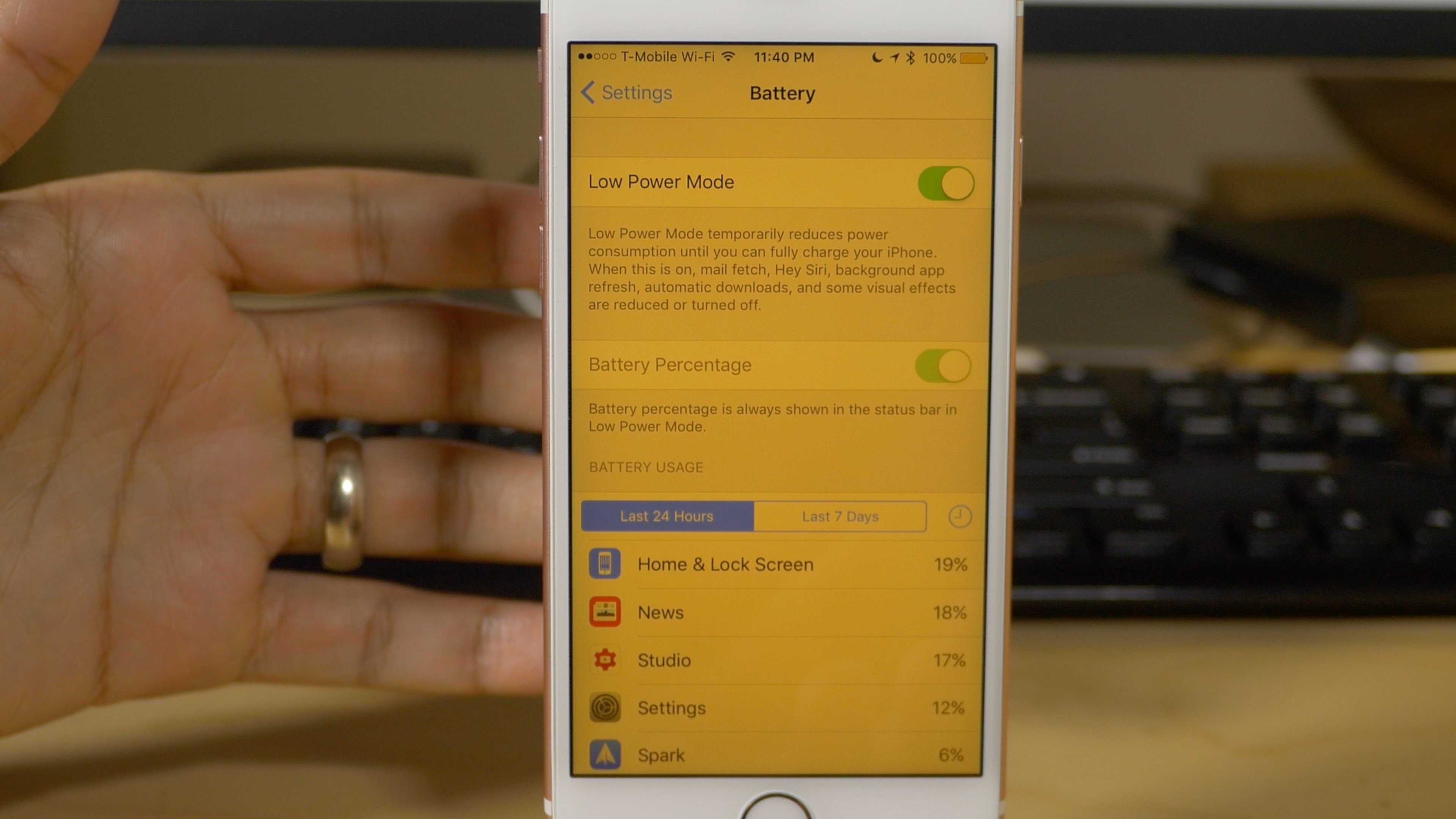
Other manufacturers can yield more cool devices now

Click to view: Samsung’s latest video / TV ad for the Galaxy S 3

My Comments

Just lately, as Apple were launching the iPhone 5 and the fanbois were lininig up outside the Apple Stores or mobile-carrier outlets to be the first to get this phone, Samsung have been running a video campaign about how more advanced their phones are compared to the Apple product.

Previously, I touched on Android’s competitive-environment abilities such as the use of other browsers or ability to shift content to the phone using the computer’s file system. This has also underscored the ability to provide paths to innovation that we are seeing in devices that work to this platform. The commercial that I am referring to, along with other Samsung TV commercials for the Galaxy S3, even emphasised the near-field communication technology as a content-transfer technology rather than just as an authentication technology, thanks to Android Beam.

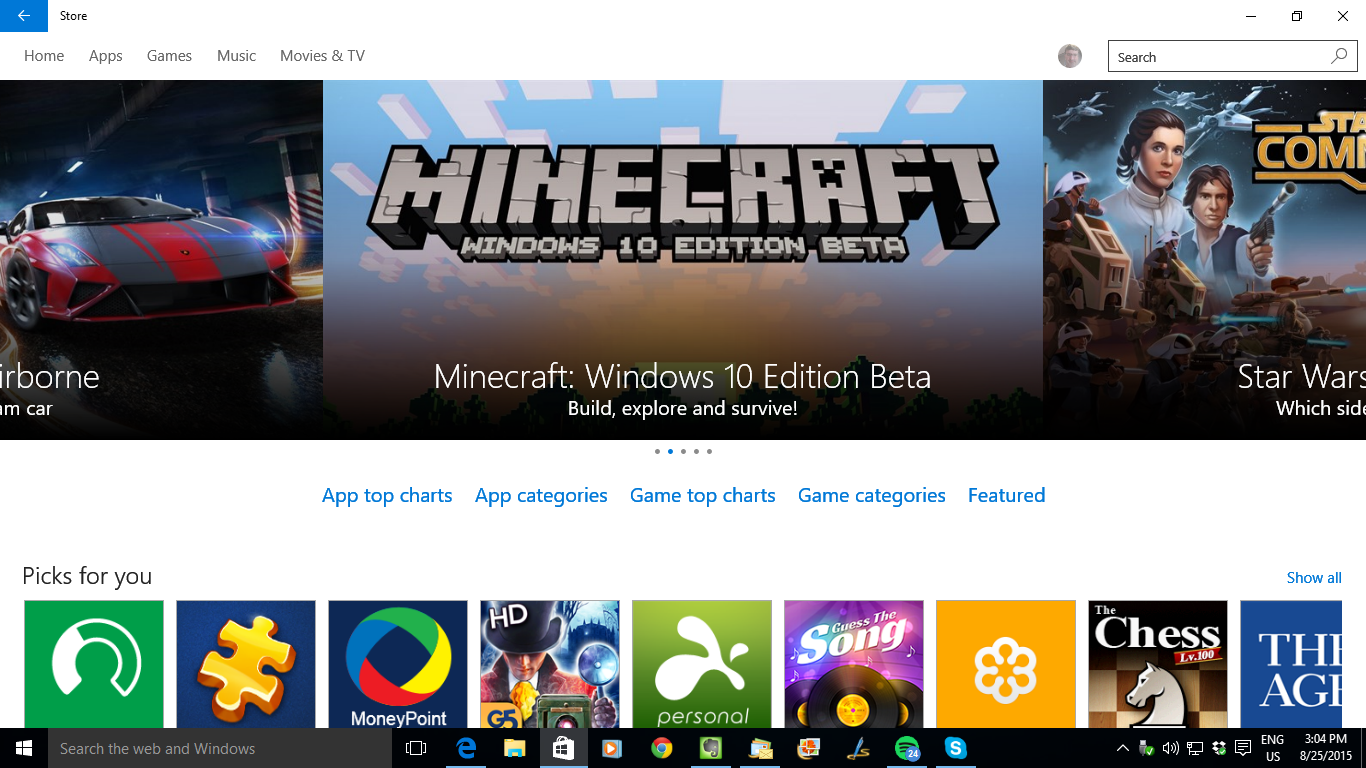
Similarly, the latest crop of Windows-based computers that appeared over the last few years are showing that this operating environment is still a breeding ground for innovation. One key feature that we will be seeing more of is the touchscreen on these computers, most of which will have this feature work alongside a supplied or standards-compliant optional keyboard. I even reviewed a taste of things to come when I reviewed the Sony VAIO J Series all-in-one desktop. This was also augmented when I heard of a Toshiba Ultrabook that was to come with an NFC, which could support file transfer in the Android Beam manner.

This is showing that there are other companies and IT operating platforms out there who can make and improve the technology that maintains the “cool factor” in its use, rather than only one company with its platforms. It is the sign of healthy competition when this kind of innovation takes place.

Send to Kindle
Print This Post Print This Post

Why I value the UPnP AV / DLNA Home Media Network standards

I have written this article as an updated version to the one I originally published. This is because of newer activity on the UPnP AV / DLNA front and newer situations that this technology has been exposed to.

If anyone is wanting to question me why my editorial slant in HomeNetworking01.info is geared towards UPnP-based network management standards, especially the UPnP AV / DLNA Home Media Network standards, I am writing this piece to state what I am about.

I am not a spokesman for UPnP or DLNA or any of the companies that are behind these standards. But, as an author and editor of this site, I do place a high value on networks, network hardware and network media software supporting any of the UPnP AV / DLNA Home Media Network Standards.

Reasons

Ability to work across nearly all networks

One of the main reasons I value these standards is that they work across any IP-standard subnet (logical network) and allow the hardware manufacturers and software developers to integrate the home media network in to their creations without reinventing the wheel.

It doesn’t matter whether the network uses different segments such as the common Wi-Fi and Ethernet setup in a home network or a switched Ethernet setup in some larger networks.

A simplified setup and media-discovery experience for the user

For the user or system installer, due to the nature of UPnP, they doesn’t need to “run backwards and forwards” between devices to make sure devices are pointing to the correct network shares and that usernames and passwords are correct on both the client device and the server. This can become more of a headache when setting up devices that don’t have the full QWERTY keyboard on them and require the user to use “SMS-style” or “pick-n-choose” text entry which can increase room for user frustration and mistakes. They also make the establishment of these multimedia networks as idiot-proof as possible, which would benefit home and small-business users where there isn’t a dedicated IT team available.

There is even the ability with DLNA networks where new DLNA servers are exposed to the client devices the moment they become available. This feature makes it easier to “get going” with the material that is hosted on these servers.

Fostering innovation in a common-sense way

I also agree that a standards-based IT environment like UPnP AV / DLNA, supported by many different technology vendors, is a breeding ground for hardware and software innovation. This also encourages a “common-sense” approach to technology as outlined below. Here, it can also lead to these concepts being implemented in the most cost-effective manner, which makes the device affordable for most people, while there is the ability for manufacturers to provide the premium-grade equipment that works in the same ecosystem.

This has led to hardware that is compliant with this standard becoming increasingly ubiquitous; as well as top-shelf audio-equipment manufacturers of respect turning out the high-grade hi-fi equipment capable of playing music provisioned over a home network.

Device and system ubiquity

Sony BDP-S390 Network Blu-Ray Player

Sony BDP-S390 Network Blu-Ray Player – an example of a component that adds DLNA to existing equipment in an affordable manner

I know that Windows supports the standard through Windows Media Player 10 and has full “three-box” implementation in Windows Media Player 12 which is part of Windows 7. As well, I have noted that the open-source community have developed servers and similar software that can work with a Linux system. This feature is now considered “par for the course” for nearly all consumer and small-business network-attached storage units.

As well, the Microsoft XBox360 and the Sony PS3, which are considered “must-haves” as far as games consoles are concerned, have inherent support for this technology. Similarly, the big-name Japanese and South-Korean consumer-electronics companies like Samsung, Sony and Panasonic are implementing DLNA in most of their consumer video equipment, save for the low-end models. Most of the big-time electronics manufacturers who have a line-up of home-theatre receivers have this feature in at least the high-end models, with some manufacturers pushing the feature in to the mid-range models. As well, nearly all Internet radios can play audio material held on DLNA-based media servers.

Similarly, most consumer-electronics equipment manufacturers are starting to sell speaker docks and similar equipment that are not just designed to work with the Apple iPhone. This has been brought on by the popularity of the tablet computer and the highly-capable Android smartphones. Cheaper variants would have a Bluetooth A2DP setup as well as the iPhone dock while more expensive variants that connect to home networks would have support for both the Apple AirPlay and DLNA MediaRenderer operating modes. A handful of these units even support WiFi Direct so as to create their own wireless-network segment for that tablet or smartphone/

Marantz CR603 CD receiver

Marantz CR603 CD receiver – One of the many DLNA-capable hi-fi components shown at the Australian Audio & AV Show

The Australian Audio and AV Show 2011 which was held at the Melbourne Marriott Hotel was an event that underscored what DLNA was all about for high-grade network audio distribution. Some of the hotel rooms which were purposed as showrooms for the hi-fi equipment distributors had live DLNA Home Media Networks based around a common Wi-Fi router that was the hub of the network, a small NAS holding the music and one or two network-enabled hi-fi components playing out the music. Here, these networks were used to demonstrate the concept of network-distributed file-based audio being a real concept for the premium hi-fi environment.

DLNA can work beyond the home

Some of us may think that the UPnP AV / DLNA technology can only work within the home but there is the potential to allow it to work beyond content in the home. This arrangement can allow the ability to create and maintain a network-based distributed AV system in the business, hospitality or other environment using cost-effective easily-available equipment that is suited for the job at hand.

The hotel room

Rydges On Swanston hotel - an example of a hotel where DLNA technology can be relevant

An example of a hotel where DLNA network media technology can be relevant in the guestrooms

The network setups at the previously-mentioned home entertainment show which was hosted at the previously-mentioned business hotel, had even led me to write up this article about the feasibility of implementing DLNA technology in the hotel room because of the fact that most of us would be bringing in phones, tablets and laptops which have this function in a server or other role. I was coming at this issue on a “network-only” angle so as to move away from the use of highly-expensive specialist set-top boxes or TV sets targeted at this industry but towards a large range of cost-effective equipment with increased flexibility. This doesn’t just mean televisions and video peripherals like Blu-Ray players but also encompasses music systems or home-theatre systems which could earn their keep in those “top-shelf” suites or apartments.

This concept encompasses not just media held on a guest’s devices but multimedia applications that this industry values like in-room pay-per-view movies, line-level feeds for conferences and cabarets or even implementing DLNA as an IP-driven alternative to distributing satellite TV via coaxial cable run through the property.

The small business, school or community organisation

A cafe who can benefit from DLNA network AV technology

A cafe who can benefit from DLNA network AV technology

It also runs alongside the idea of using this technology to provide multimedia in the business using the data network that exists there but using cost-effective and highly-available equipment. This is something you can do with a Windows-based computer running Windows Media Player or you could use low-cost DLNA software that can work as a server or control point.

One key application is to purpose a DLNA-compliant “smart TV” or a TV set / projector that is connected to something like the Sony BDP-S390 as cost-effective “digital signage”. This is where you create the signs and visual material using Photoshop, PowerPoint or other graphics and presentation software then “push” the material using Windows “Play To” or TwonkyManager to the cost-effective equipment for display.

Provisioning multi-channel pay-TV

Similarly, the DLNA technology is being considered as an alternative to the classic set-top-box model for multichannel pay-TV setups. For example, it is being considered as an idea for a “gateway” device to be installed in the home which works as a PVR or “broadcast-LAN” tuner. This box could be a “headless” box which isn’t connected to any screen or could be a traditional set-top box serving the main household TV with content.

Here, multiple DLNA-enabled TVs, video peripherals or viewer applications can tune in to pay-TV channels or content held on the PVR without the need to install a set-top box on each TV. It also allows for the customer to have equipment of different capabilities such as a DLNA-capable Blu-Ray player attached to a small entry-level TV in the master bedroom having access to the same content as what would be available on the big TV in the main lounge area. It is infact something that is being pushed by consumer-electronics vendors in the USA as a standards-compliant way of delivering cable TV.

This application and the above-mentioned hotel-room application can now benefit from a super-standard called RVU. This integrates DLNA and a “remote-desktop” standard like VNC or Microsoft’s “Terminal Services / RDP” in order to provide a consistent branded user interface for advanced pay-TV services like movies-on-demand or account management.

Conclusion

So the main reason I place a lot of value in the UPnP AV / DLNA Home Media Network is because of the ease that there is in establishing a heterogeneous multimedia network with innovative easy-to-set-up products that suit what you want to do.

Send to Kindle
Print This Post Print This Post

Another example of Android’s pro-competition prowess–the Web browser

Article

Three cheers for Android browser competition | Webware – CNET

My Comments

In the early days of the Internet browser, there were competing Web browsers but this was choked by Microsoft integrating Internet Explorer in to the Windows distribution. This raised various anti-trust and competitive-trade issues especially in Europe where the European Commission handed down an order requiring Microsoft to allow users to deploy competing Internet browsers on the Windows 7 computers.

As far as the mobile (smartphone and tablet) computing platforms are concerned, only the Android platform allows for competing Web browsers to be deployed on smartphones and tablets. The iOS, Blackberry, Windows Phone and Windows 8 RT (AMD deployment) only work well with the browsers supplied by the platforms’ owners and this has become of concern to the free open-source software community who want the availability of Mozilla, Opera and similar browsers on the mobile patform.

This augments the last article which I wrote about the Android platform supporting a pro-competition culture in various ways such as media management, support for removable storage and removable batteries in devices; and a customisable user experience. What was covered here could be used as a way of defending the use of Android devices on a competitive-trade issue and some people who have a progressive mindset could stand for this platform due to its support of app and media stores that can underpin progressive trade ideas like free speech and nurturing the actual content creators.

Send to Kindle
Print This Post Print This Post

Netherlands makes net neutrality mandatory | DigitalProductionME.com

Article

Netherlands makes net neutrality mandatory | DigitalProductionME.com

My Comments

The issue of Net Neutrality and access to competing telecommunications services is still a thorny issue in the USA and some other countries where telephony and cable-TV monopolies still exist and have extensive clout.

But the Netherlands government have used their telecommunications laws to make Net Neutrality a mandatory requirement through that country. This also encompasses the requirement of ISPs and mobile carriers to allow customers to gain access to “over-the-top” telecommunications services in that country. It was driven by the KPN incumbent telecommunications company wanting to slug customers for use of these services and this practice that KPN did was working against the European goal of competitive trade.

How I see this effort in the Netherlands is that it is another step in the right direction to encourage competition for value with telecommunications, something which is being required in the European Union. The more countries that mandate Net Neutrality and similar requirements, the better it would be for a competitive telecommunications and broadcasting environment.

Send to Kindle
Print This Post Print This Post

Telstra gets closer to splitting its wireline communications operations

Article

Telstra lodges its plan to split | The Australian

Previous Coverage

Telstra split ‘wont fix monopoly’ according to rivals

My Comments

As I have previously mentioned in this site, there needs to be further action taken concerning providing a wireline telecommunications service that is really competitive. The idea of Telstra splitting its telecommunications business between wholesale and retail is still about moving the wireline infrastructure to another entity with monopoly powers. This is compared to France where fibre-optic Internet can be provisioned by competing interests who have their own fibre-optic infrastructure but have access to the same ducts, poles, wiring closets and other physical infrastructure.

Other issues that weren’t raised included the definition and provision of the basic telecommunications service. This includes whether universal-service funds should be set up to competitively provide this service, how the national emergency-contact service is to be provided and how disaster-relief and social-telecommunications needs are to be provided in a competitive world. As I have said before, it would be best to look at what the UK and France are doing as they have moved from a government-run “PTT-style” telecommunications monopoly to a lively competitive telecommunications environment.

Send to Kindle
Print This Post Print This Post

European governments want Net Neutrality set in stone

Article

Skype – The Big Blog – Parliaments across Europe renew calls to protect net neutrality

My Comments

There has been a lot of discussion about the Net Neutrality idea where there is to be equal treatment for data that flows over the Internet compared with a commercial desire to prioritise data that favours an ISP’s or partner’s interests or limit or throttle data that goes against those interests.

In Europe, various national and regional governments are endorsing or mandating the concept of Net Neutrality with the provision of Internet service. For example, the Berlin city-state’s regional government have recently endorsed this concept and Luxembourg have, from 17 November, moved a motion that Net Neutrality is part of that country’s national law and to be promoted through the European Union. It has already been adopted in France who have a lively competitive Internet-service environment as well as the Netherlands. As well, the European Parliament have moved motions to stand behind an open and neutral Internet.

But the mobile operators are seen to be against the Net Neutrality concept due to their investment in their cellular telephony services.

This issue is very much about permitting competitive service providers to exist in the IP-based broadcasting / content-delivery and communications space; but is also about free speech and a free press. It would also ring true with environments that push the competitive-trade issues like France and the UK; and could encompass the issue of whether mobile operators should charge extra for tethering or not.

I stand for Net Neutrality because it permits a competitive environment for providing Internet-hosted communications or content delivery services as well as permitting a free press and freedom of speech. The ISPs should really be seen as common carriage-service providers like telephone companies or public utilities.

Send to Kindle
Print This Post Print This Post

A fight for broadband is an instrument of democracy

Article

What a fight for broadband tells us about democracy | GigaOM

My Comments

A situation that is repeating itself in many US towns and communities that don’t have proper broadband is the desire for these towns to benefit from the broadband service. They will typically use tactics like a wired or wireless broadband Internet service funded by the local government, perhaps in partnership with a telecommunications firm. It can even encompass the provision of full infrastructure by local interests for annexation by a local telecommunications carrier in order to hasten the provision of real Internet service.

But established telecommunications and cable-TV firms like Comcast who have wireline monopoly over these areas fear the arrival of these competitive elements. They have established requirements on towns who want to set up such services to run referenda about such services and run highly-funded campaigns against these services when they come to the vote.

This situation creates a breeding ground for redlining and an anticompetitive trade environment for Internet and other advanced telecommunications services. The redlining can occur based on perceived “lack of profitability” for communities even though the community will benefit economically through access to advanced telecommunications.

At the moment, the Federal Communications Commission are in the throes of reforming the Universal Service Fund which financially offsets universal-service obligations for basic telephony service through the USA. Here, they want to encompass broadband Internet and cable-TV services in this mix and local communities should also lobby the FCC on this issue.

The FCC could also work better by allowing European-style competition regimes like local-loop unbundling for ADSL or mandated access to pits, ducts and poles for cable and fibre-optic service. This ends up favouring the customers through what I have observed in France and the UK.

As well, the Federal Trade Commission could be allowed to be involved in issues concerning anticompetitive behaviour in telecommunications-service provisioning. This can allow for antitrust aspects to be investigated as well as other standards concerning telecommunications service.

But I would see this more likely occurring under a Democrat administration rather than a Republican administration which favours the big corporations and anticompetitive trading. As well, where there is lively competition, there is a greater chance for people to take up the technology and a greater chance for innovation.

Send to Kindle
Print This Post Print This Post

Telstra split ‘won’t fix monopoly’ according to rivals

Article

Telstra split ‘won’t fix monopoly’ as rivals fear reform will fail | The Australian

My comments

A lively competitive market

When I think of a competitive broadband infrastructure, it needs to be lively and competitive with many different wholesale and retail Internet service providers. Here, I would rather see the competition occur more on value than on who offers the cheapest service.

What can happen if the competitive market focuses on who offers the cheapest service is that companies can cut corners to achieve this goal. This can lead to situations that are consumer-hostile like poor customer service, rigidly-enforced terms of service that don’t allow scope for human variation and budget-tier services that don’t offer what customers need.

The proposed Telstra split

This proposed wholesale-retail breakup of Telstra could sound very much like what is happening with British Telecom in the UK. At the moment, BT are running a retail arm as well as a wholesale-infrastructure arm called Openreach.

In the case of the Telstra split, the infrastructure would be managed by a monopoly which is the National Broadband Network while there is a “wholesale” group and a “retail” group. There will be issues like preferential tariff sheets for the Telstra service as well as something yet undiscussed.

Telstra as the baseline telecommunications provider

This is the provision of the baseline telephone and Internet service. It encompasses the maintenance of public payphones; the definition and provision of the standard telephone line; the provision of the national emergency telephone services, as well as communications needs for the social sector. It can also include covering for communications through natural and other disasters. At the moment, Telstra’s discretionary mobile and Internet services prop up their role as this baseline telephony provider.

What I would also like to see is an improvement in how the baseline telecommunications service is provided and funded for. This could involve the use of tenders to determine the provision of parts of the baseline telecommunication service as well as the creation and management of universal-service funds that subsidise the provision of these services. This avoids the need for a service provider to jack up the price of discretionary services to cover the costs associated with the baseline services.

Wireline infrastructure competition

One driver for real competition is the ability to supply competing wireline infrastructure. This typically comes in the form of sub-loop unbundling where an ADSL service can be provided through the use of equipment installed between the customer’s door and the exchange and the customer’s line connected to that equipment. In an FTTH fibre-optic setup, this would be in the form of extra fibre-optic lines controlled by competing interests run to the customer’s door; a practice that is taking place in France.

For that matter, it may be worth examining what is going on in the UK and France where there was incumbent “PTT” telephone carriers but have now become lively competitive Internet-service markets. This includes how the tariff charts yielded “best-value” plans for retail telecommunications service as well as enabling factors for this level of competition. such as telecommunications legislation and regulations. It would also cover access to established physical telecommunications infrastructure in public areas like poles and pits; as well as creation and use of new infrastructure.

Conclusion

What I would like to see is that our telecommunications ministers and departments talk with their peers in both those countries ie OFCOM in the UK and ARCEP in France so they can know what was achieved for competitive telecommunications.

Send to Kindle
Print This Post Print This Post

Do we need to patent the style or interface of a device?

Article

Apple v Samsung just the tip of the iceberg

My Comments

What the Apple v Samsung court case that is being litigated around many countries in the world is about is the attempt by manufacturers to patent the style or operation interface for classes of manufactured goods, i.e. tablet computers and smartphones.

A manufacturer may work out the style for a particular class of manufactured goods or determine a user interface that is going to be the way this class of goods will be operated. But do they need to patent this style or user interface and chase down to sue other manufacturers who implement this user interface or style.

Established design practices that I have observed

In the case of how manufactured goods are styled, I have seen a large number of device classes that have a very common style and user-interface in place. Take for example, Henry Ford who determined the layout and role of the pedals in a car with the clutch on the left, brake in the centre and accelerator (gas pedal) on the right. This was gradually implemented by other vehicle builders in the early days of the car and became the standard for foot control in the car. Here, you didn’t need to relearn vehicle-control skills and practices just to suit particular manufacturers’ vehicles. For a tablet computer, the multi-touch operating procedures like the “pinch-to-zoom” procedure are really about achieving a consistent user interface. For Apple to patent the multi-touch interface is utter nonsense.

Similarly, there have been devices that used the same or similar industrial design, usually with a few variations. A common example are the interlocking rim deadbolts used in the USA and Australia. A lot of these units have a very common styling, with the turn-knob being the only part that differs between manufacturers in most cases. There have also been the earlier “IBM clone” computers with a system box and monitor styled like the original IBM equipment. In one example the “clone” monitor had a third “on-off” knob as well as the brightness and contrast knobs that were part of IBM’s design. Of course the monitor had the same fascia as the IBM design.

I often find that the use of common designs or user interfaces can work to gain increased acceptance of the device class, while the manufacturers take tome to work on a unique industrial design or different features.

The Samsung Galaxy S smartphone – is it the same as the iPhone 3GS?

I don’t see the Samsung Galaxy S smartphone, which I own, as being a copy of the Apple iPhone 3GS. The differences that I would notice include the installation of the headphone and microUSB jacks on the top edge of the phone, a removeable back to gain access to the microSD card, USIM card and battery as well as two extra touch-buttons at the bottom of the screen that are part of the Android user interface.

A person may think that this phone is an iPhone clone due to the use of the black bezel around the display, a hardware “home” button and a faux-chrome strip around the phone’s edge. This would be more so when the phone is in a hibernation state. Similarly, a “swipe to unlock” user interface which may use different prompt graphics to Apple’s “slide-switch” graphic may still be considered as mimicking Apple’s user interface.

Ramifications of this legal battle

I would suspect that if Apple wins the legal battle on user-interface grounds, it could affect all touchscreen computing applications, whether with a smartphone, tablet computer or even touchscreen implementations in regular computing devices. This could even go as far as Microsoft’s touchscreen computing table or dynamic whiteboards that allow touch interactivity.

It may also affect the abovementioned design practice associated with implementing similar industrial designs in most manufactured goods or the user interface in computer software. It would be more so with the positioning or styling of visual cues in these designs and can even affect how buildings or interiors are styled in case they cross over a brand’s territory.

Conclusion

This issue of using patents to protect the style or user-interface of a manufactured device or computer program shouldn’t be used to stifle the creation of competitive devices and the exploitation of the technology. The concept of patents should be more about providing a way of exploiting the protected technology in a competitive manner but with proper attribution.

Send to Kindle
Print This Post Print This Post

The Beatles now on Apple iTunes


The Beatles come to iTunes at last | Circuit Breaker – CNET News

My Comments

Ever since the Beatles have come to iTunes, I have had some concerns about this exclusivity practice. What I fear will happen is that iTunes and EMI will take advantage of the fact that the Fab Four have become a major turning point in popular music and work out ways to gouge the customers.

My first question is whether Apple will extend the exclusive-sale contract beyond the initial year as agreed and when will competing download outlets be able to sell this music after the initial year? This also includes that issue that I had heard about of late where EMI made it possible for iTunes to charge extra to the Australian market for the same material.

My second question is whether the material will be available through iTunes Plus as unprotected MP3 files or as digitally-constrained files that only work with iTunes and the iPod / iPhone / iPad hardware families? There has been a lot of concern about Apple’s digital-rights-management management constraining playback of content from competing devices like DLNA-compliant home networks for example. What I would like to see for the Beatles music is that the content is as MP3 files that are able to be played on competing smartphones and personal media players or via the DLNA home media network even through the period of exclusivity.

I would still be very careful about any period where highly-valued media is made exclusive to one distribution platform over other competing platforms and check for issues like useability on competing devices before committing to it. As well, I am looking forward to the day when competing online music stores can sell the Beatles discography.

Send to Kindle
Print This Post Print This Post
Page 1 of 212»

Sponsors

Find this on Facebook

Archives

HomeNetworking01.Info

Latest PDF issue

Switch to our mobile site